


Inspection starts before the vehicle leaves the lot
“By the time a US dealer receives a vehicle, Signal Technologies has managed its transport and import. If a condition issue is discovered then, its team needs to look back through the journey. The evidence needs to start before those commitments are made.”
The first condition decision is a payment decision
A trade connecting Canadian sellers and US buyers
Signal is an export platform for Canadian dealers, helping them sell used vehicles to US dealers and arrange transport and import. It holds the vehicle, and the risk, between those transactions. The selling dealership captures condition in Canada; the US buyer later evaluates the unit remotely through photographs and an inspection report.
An arrival photo cannot explain the whole journey
After pickup, the vehicle passes through a carrier and an import facility before reaching its buyer. If damage is noticed on arrival, delivery photos alone cannot show when it first appeared. Earlier captures give the team points of comparison for investigating the difference.
What Signal needs before and after pickup
A clear starting point before payment and comparable evidence as the vehicle moves.
The seller’s inspection needs to show damage while there is still time to assess its cost before payment. Later captures need to preserve condition at pickup and arrival. Keeping those views against the same VIN lets the team review the journey rather than reconstruct it from the latest report.
“The requirement: verify visible condition before payment and connect pickup and arrival inspections to the same vehicle.”
How Self Inspection fits the transaction
1. Document condition on the Canadian lot
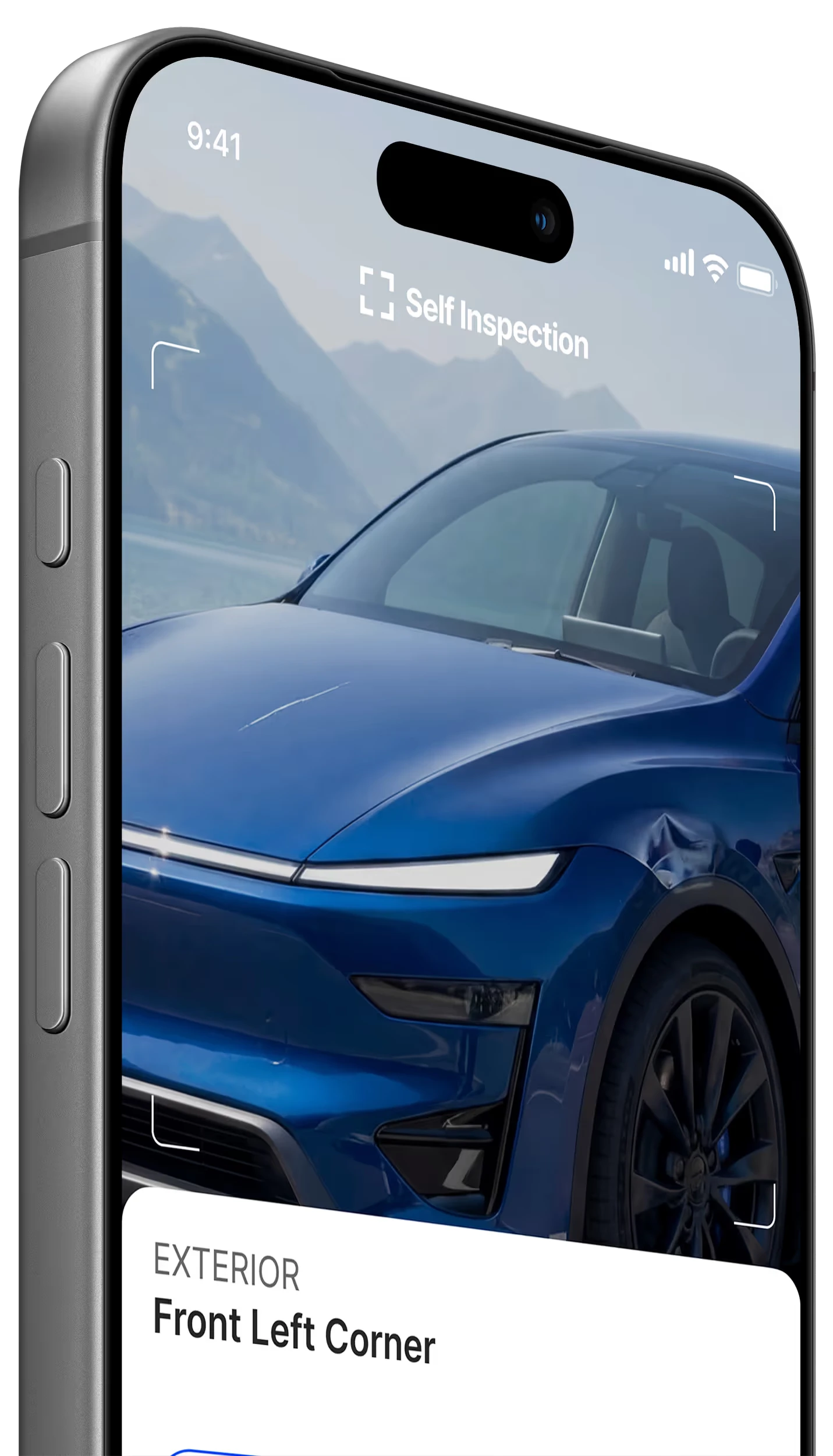
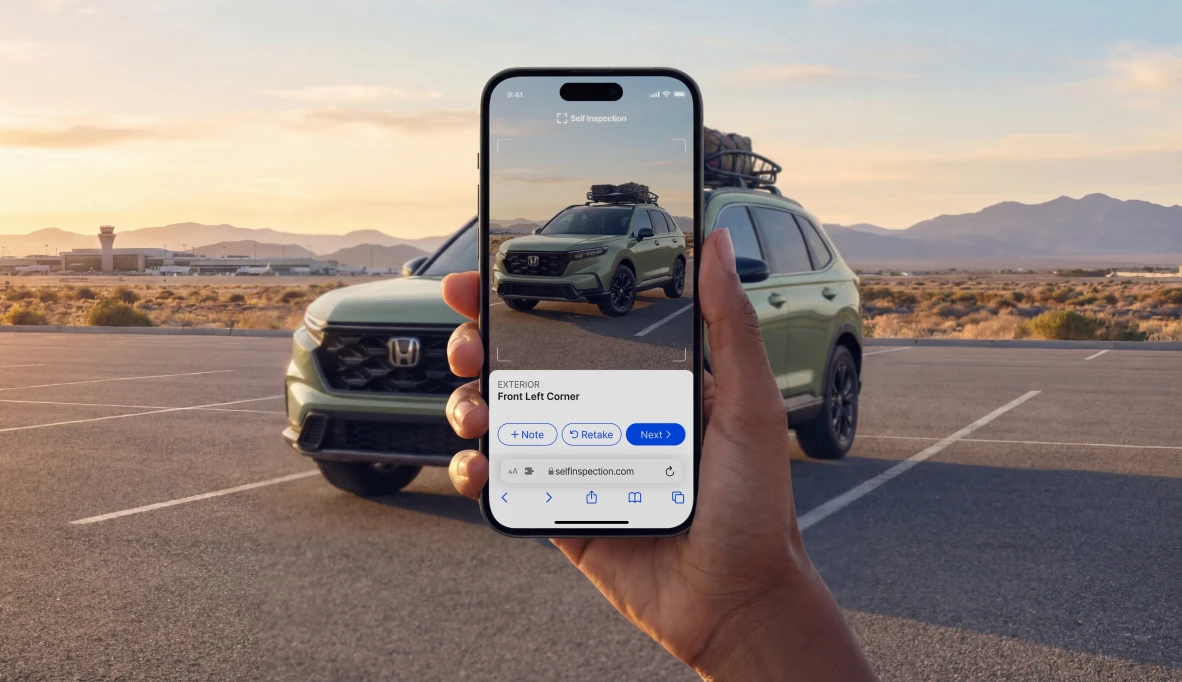
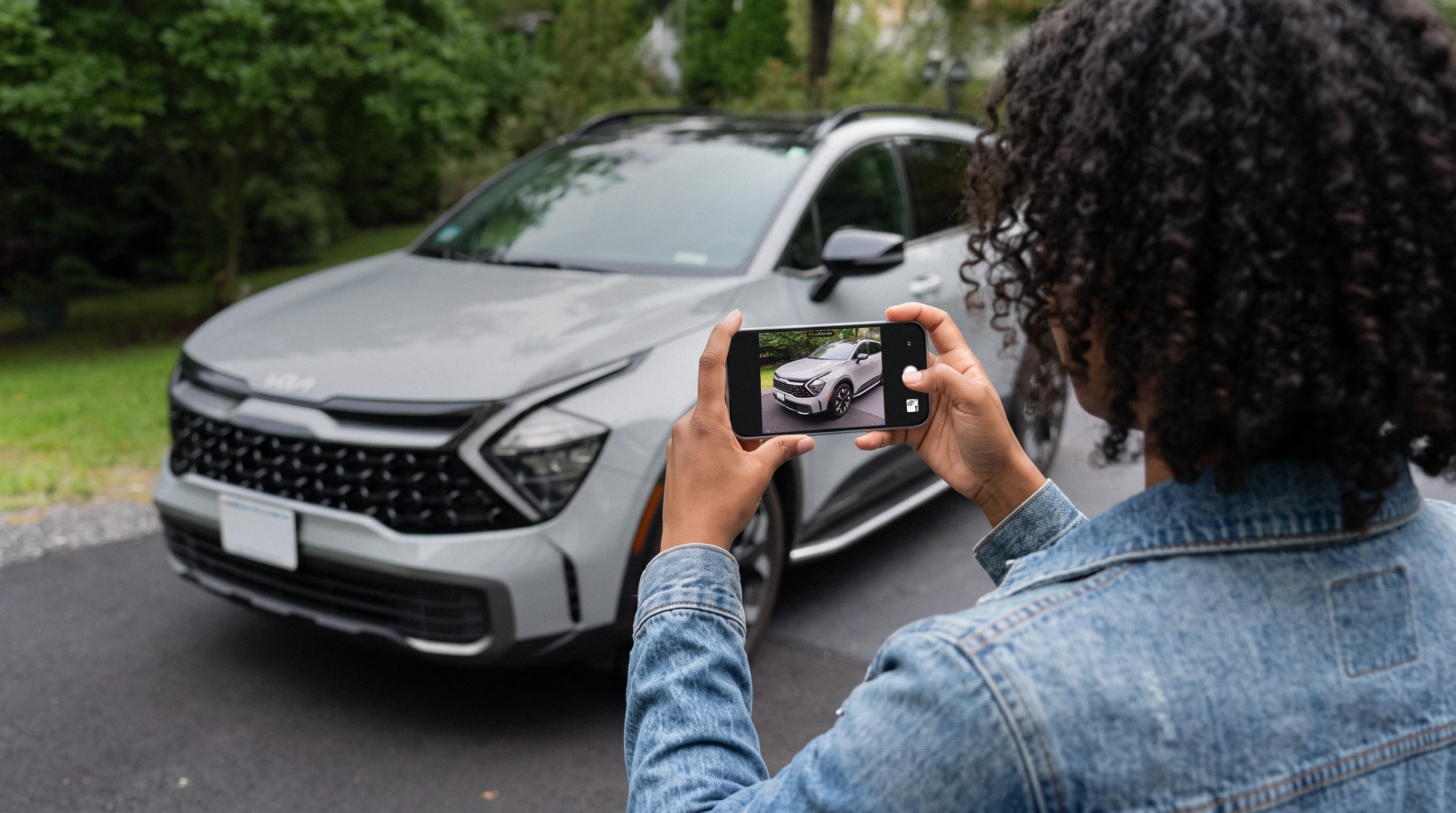
The selling dealership follows a guided smartphone link to photograph the exterior, interior and tires. Signal configures additional capture steps, including vehicle identification, odometer readings in kilometres (km) and engine video, to fit its export process.
2. Estimate repair costs before payment
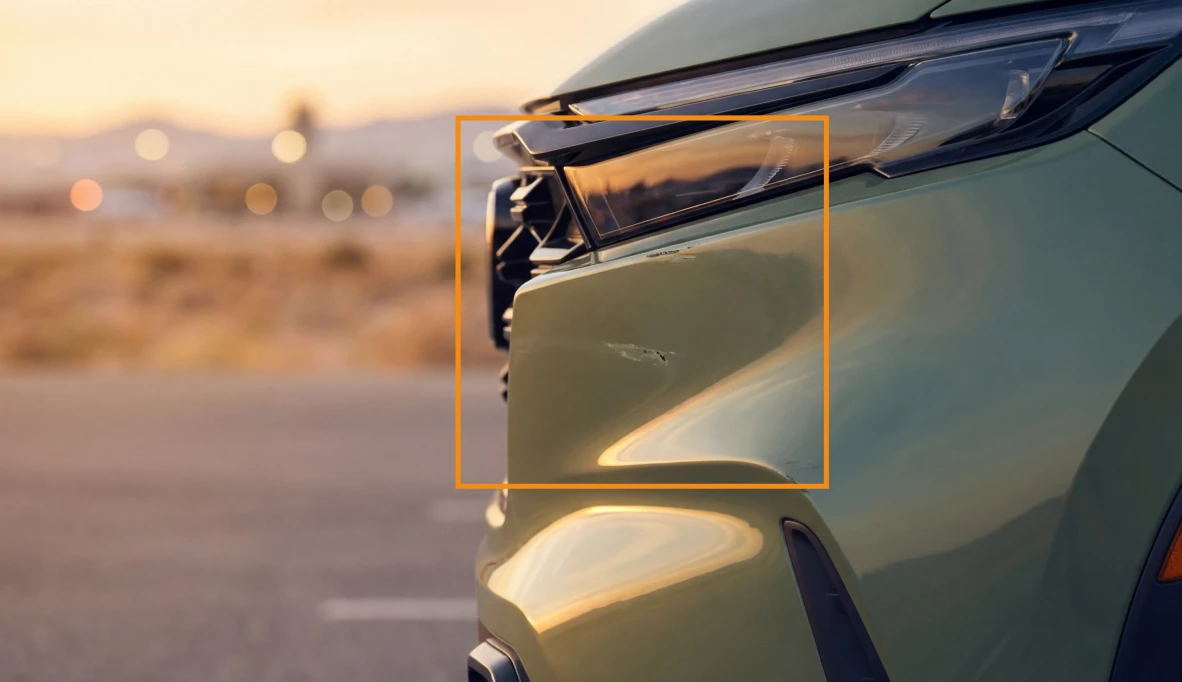
The seller captures; the platform verifies. AI identifies and classifies visible damage. Certified inspectors review uncertain findings and inconsistent imagery. Repair estimates use Signal’s pricing rules, giving the team a cost to assess alongside the offer.
3. Compare condition as custody changes
New captures at carrier pickup and import-facility arrival are compared with earlier inspections. Timestamped images linked to the VIN help teams investigate when a difference first appears. The US buyer’s report brings together photographs, damage locations and estimates.
A condition history for the whole transaction
The evidence used to assess a purchase remains useful during transport and resale.
Self Inspection is a Vehicle Condition Intelligence Platform that captures, verifies, analyzes and shares trusted vehicle condition data using AI. Each capture adds a dated view of the same vehicle. For Signal, this connects the evidence used before payment to later inspections in transport and remarketing. Signal continues to manage import compliance, recall clearance and titling.
Review condition with the journey in view
An issue discovered at delivery can be checked against what was documented on the Canadian lot, at pickup and on arrival. Those earlier views give the team evidence to investigate the change. The same history supports the report a US dealer uses to assess the vehicle before committing to buy.
Book a demo to see how connected inspections support your vehicle purchasing and transport workflow.
More case studies
All case studies

Lease-end could not depend on where a member lived.
Credit Union - indirect leasing program
51,557Inspections delivered
Read case study
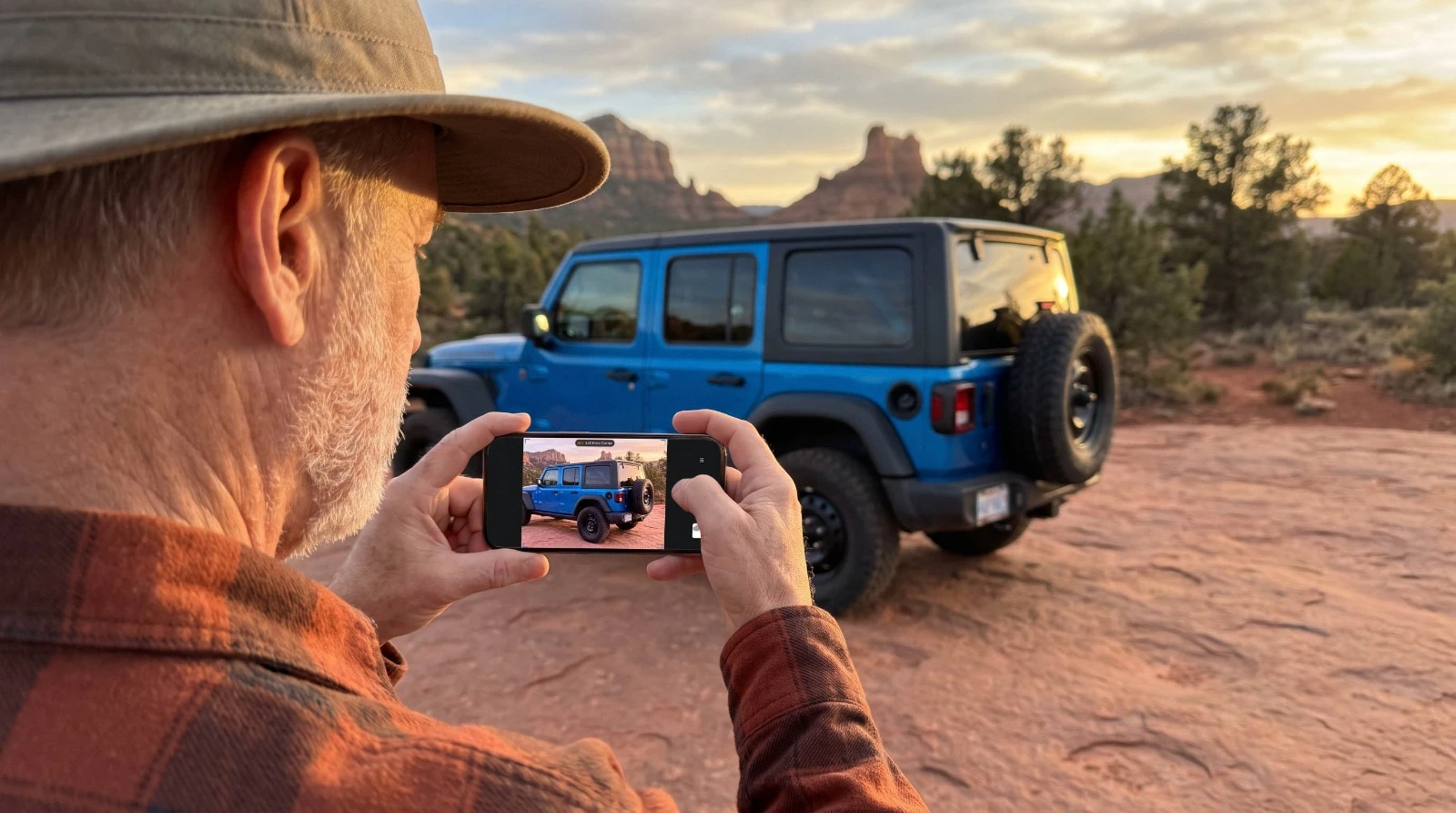
After the trail, start with the pickup photos
Canyonlands Jeep and Car Rentals (Moab, Utah)
Read case study
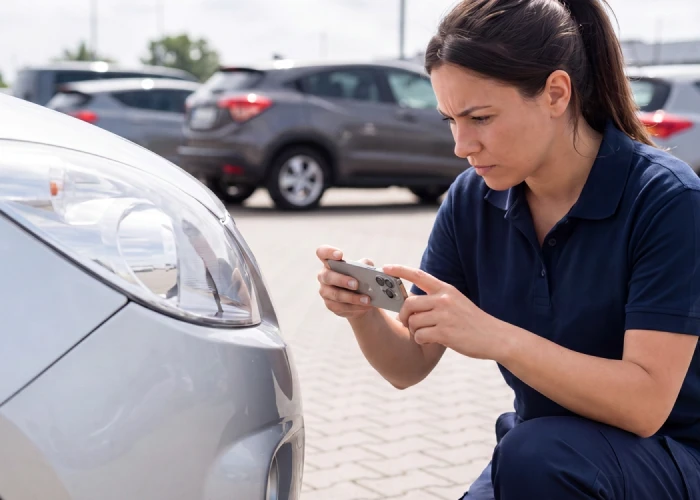
The last manual step in a digital operation.
Auto360 Limited - UK commercial vehicle rental & repair
802Inspections delivered
Read case studyReady to get started?
Streamline lease returns, reduce disputes and accelerate remarketing readiness - all from one simple platform.