

Rental car inspection software
Capture vehicle condition at every return within minutes. Reduce disputes, recover chargeback revenue, and protect your team with clear proof of pre-existing damage.






Workflow built for the rental counter
Rental car inspection software documents vehicle condition at pickup and at return so damage can be attributed to the rental period rather than argued about afterward.

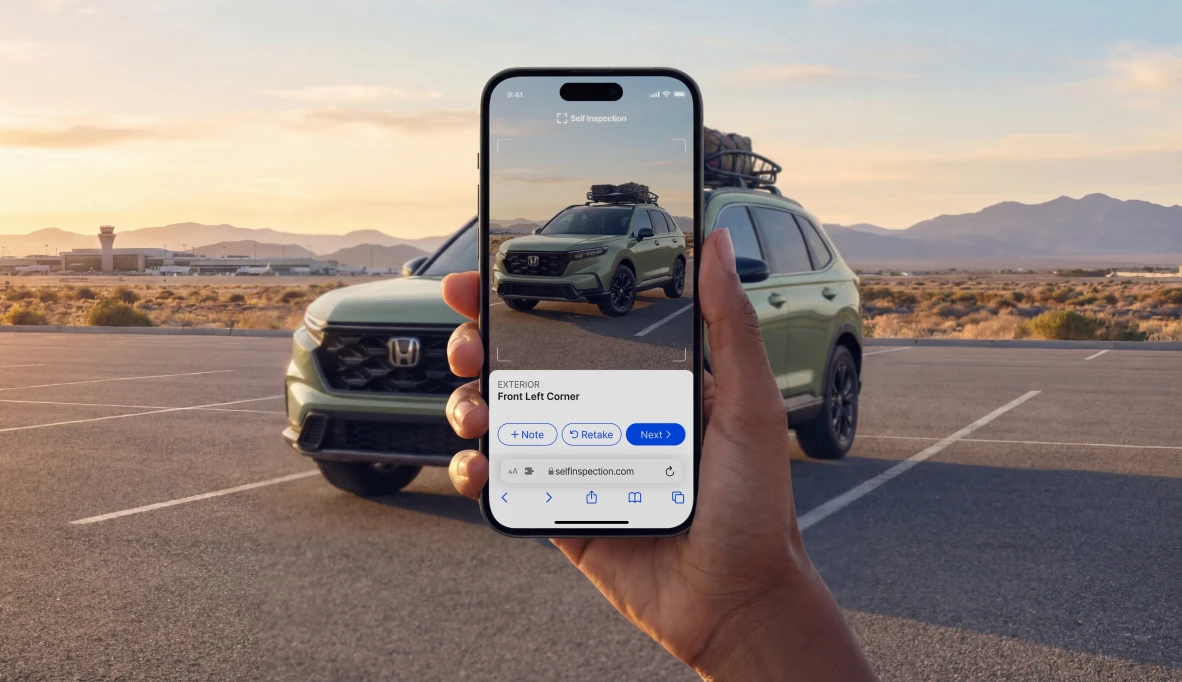
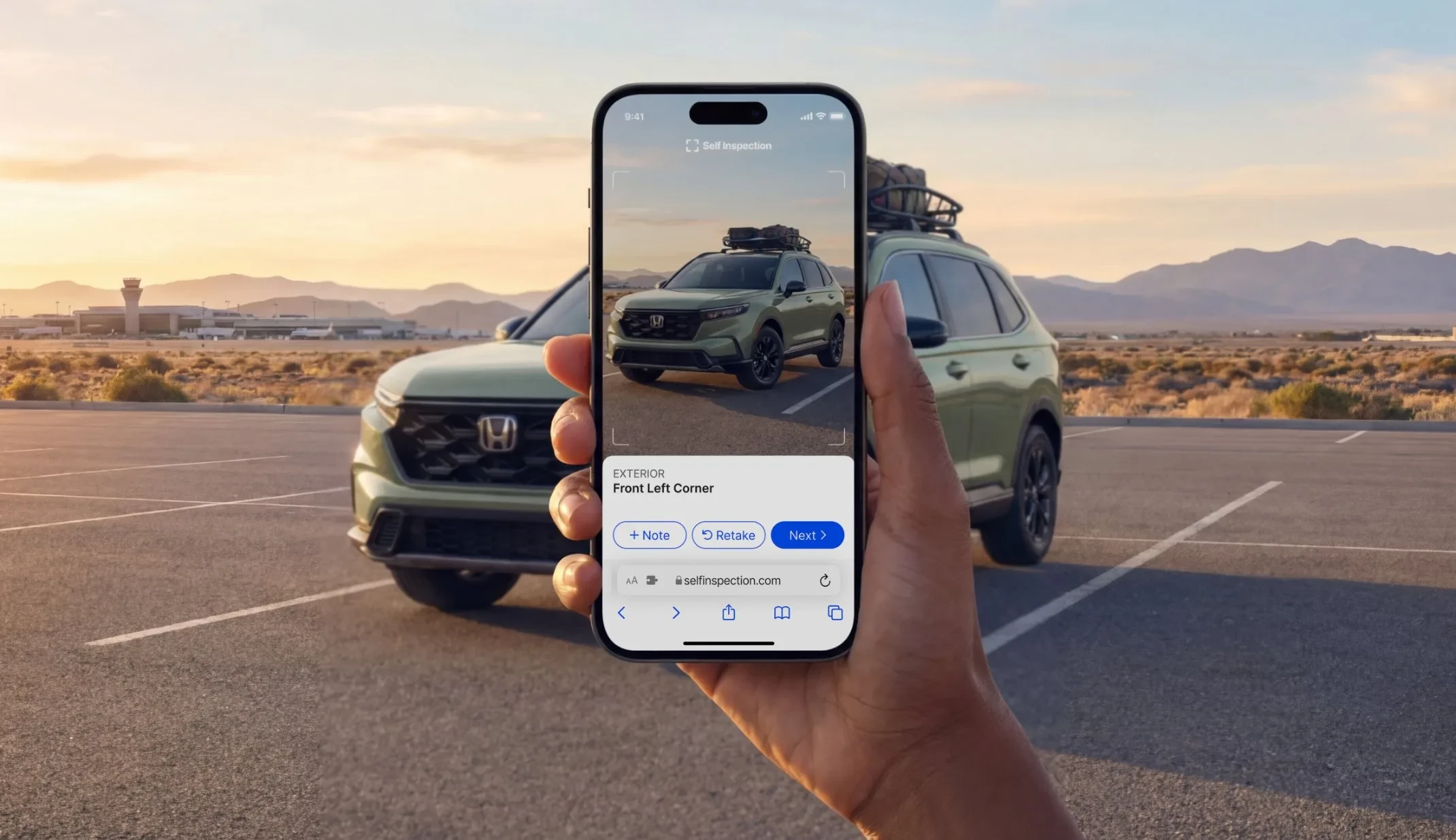
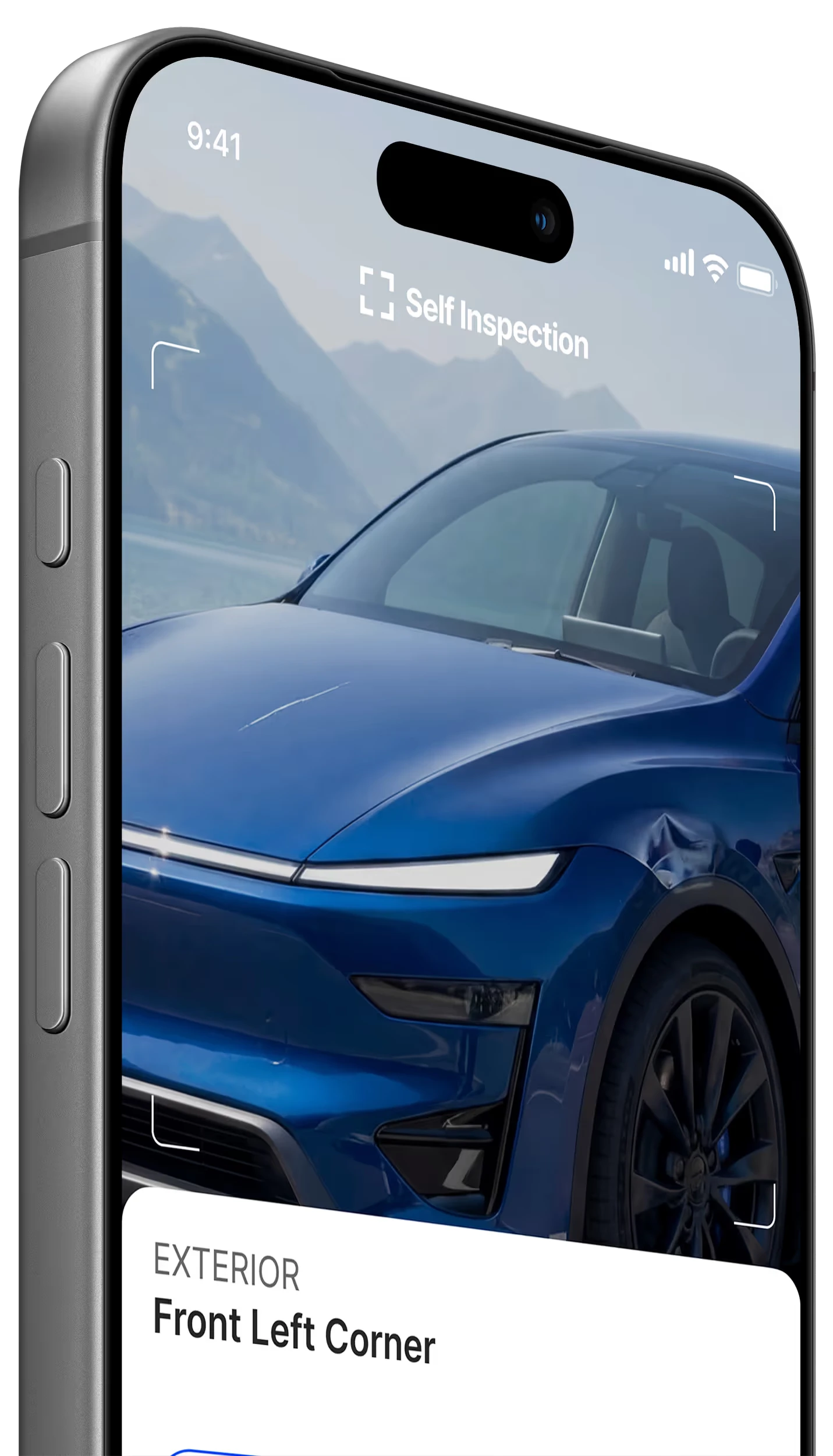
The customer photographs the vehicle before driving off, following on-screen prompts. About 90 seconds, no app and no account.
Features built for rental operations
One capture flow, one detection model, and the rental records around them: contracts, claims, notifications, and a history for every vehicle.

Custom mobile inspection flows
Conduct renter or staff inspections from any phone, with no app, no hardware, and no training required. Tailor steps for pickup, return, or fleet transfers so every inspection fits your workflow.
Damage detection and manual damage selection
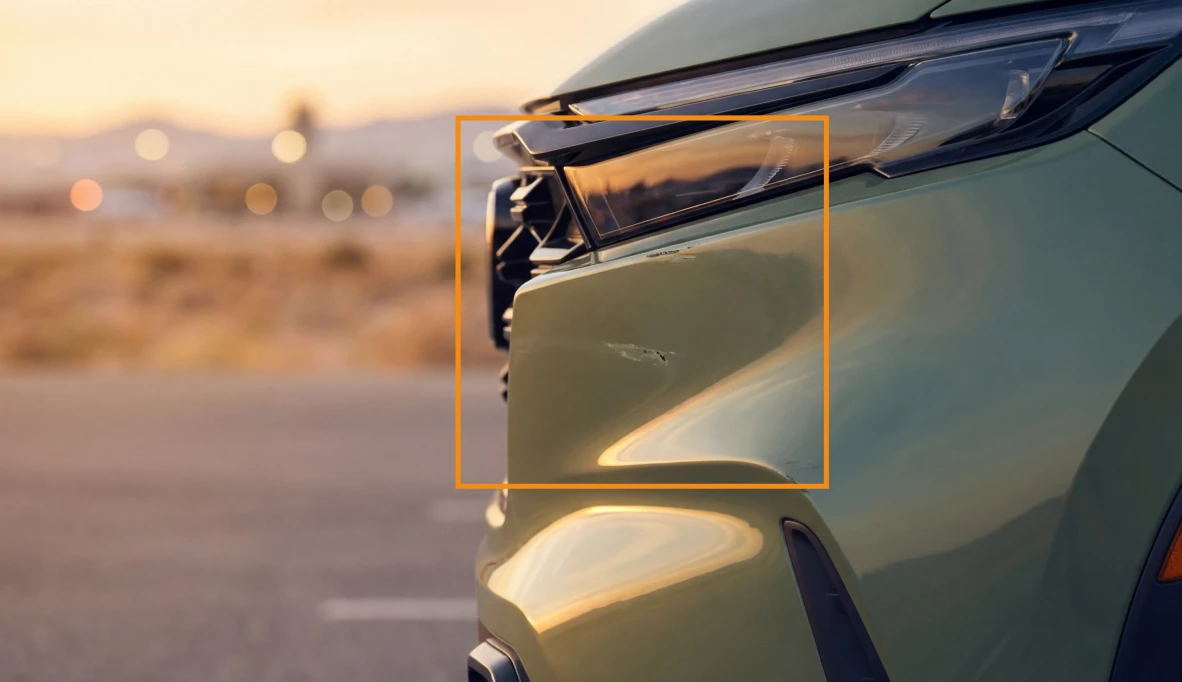
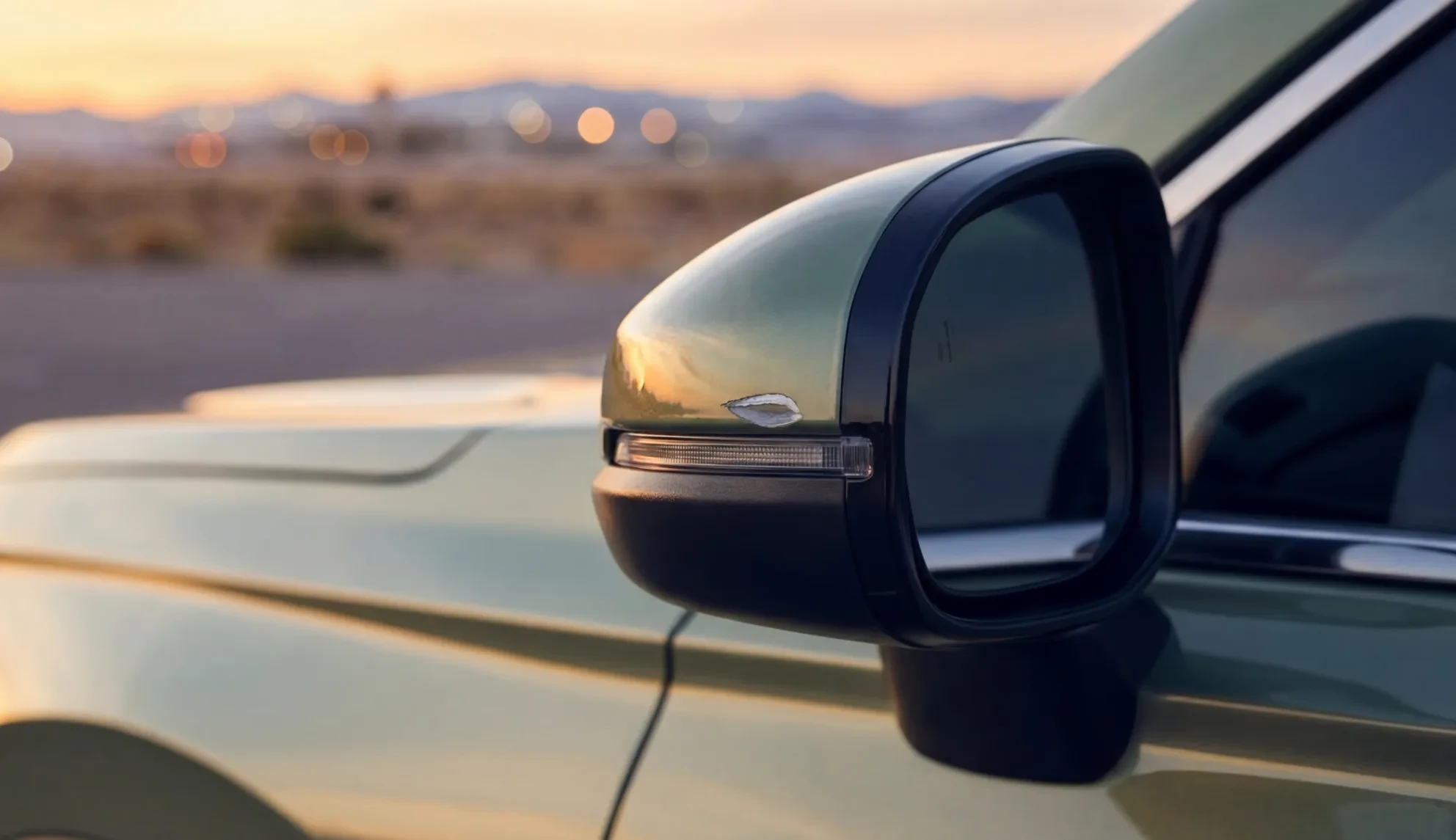
AI models automatically identify exterior and interior damage with instant repair cost estimates. Your team can customize their wear-and-use rules or use our standard ones, so your clients are not charged for every tiny blemish.

Photo and video-based estimates for repair
AI instantly calculates repair costs for any detected damage, using predefined pricing rules and thresholds. See true cost impact upfront, enabling faster billing and accurate settlements.

Pick-up and drop-off notifications and alerts
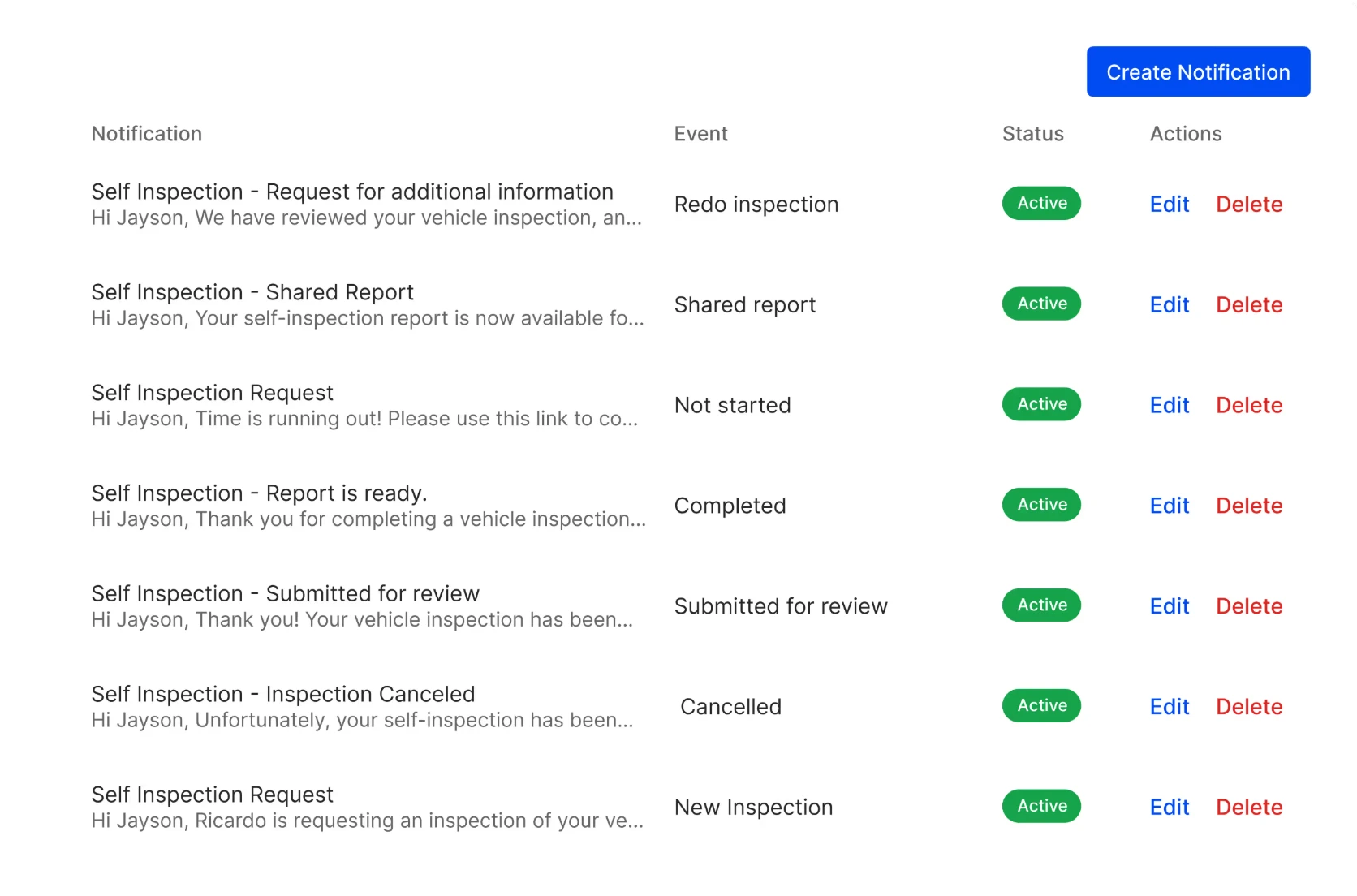
Send inspection links to renters or staff and get automatic updates for missed inspections, new damages, or pending approvals, so nothing slips through the cracks.
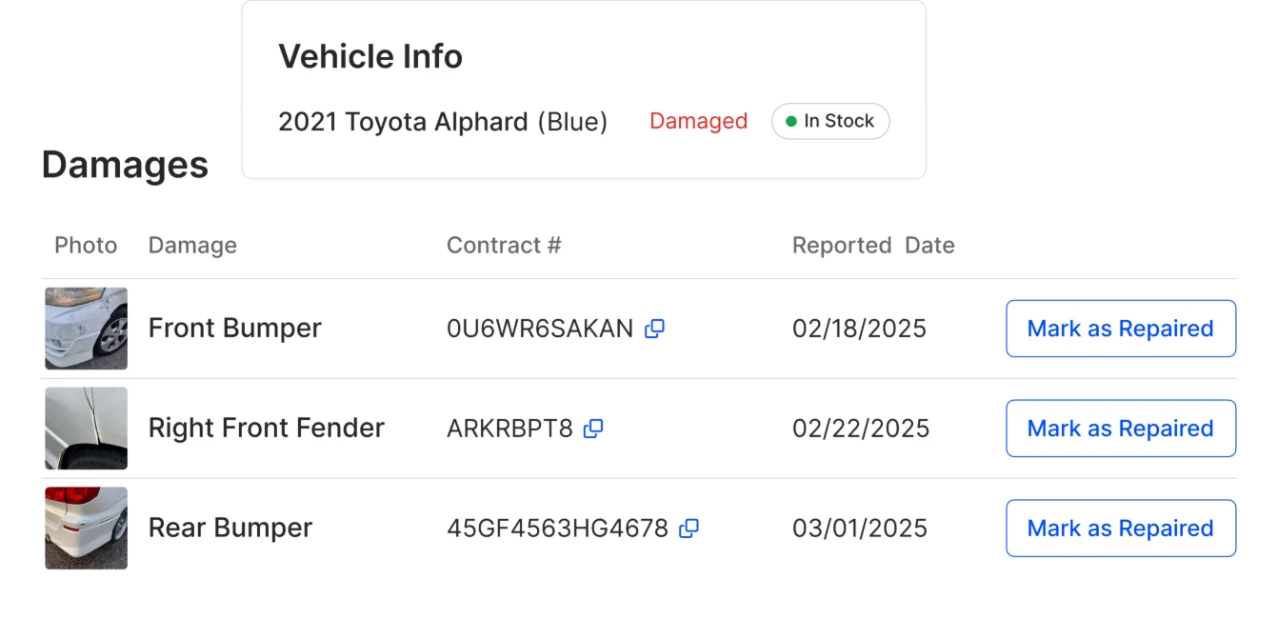
Fleet management
Track fleet condition and inspections in real time across all branches, including vehicle history, historic costs related to the vehicle, existing damages, and any safety-related issues.

Claims management
Flag damage, create claims, and attach proof in one workflow for faster, fairer resolutions.
Auditability and history
Every inspection and photo is time-stamped and stored, creating a tamper-proof vehicle history.
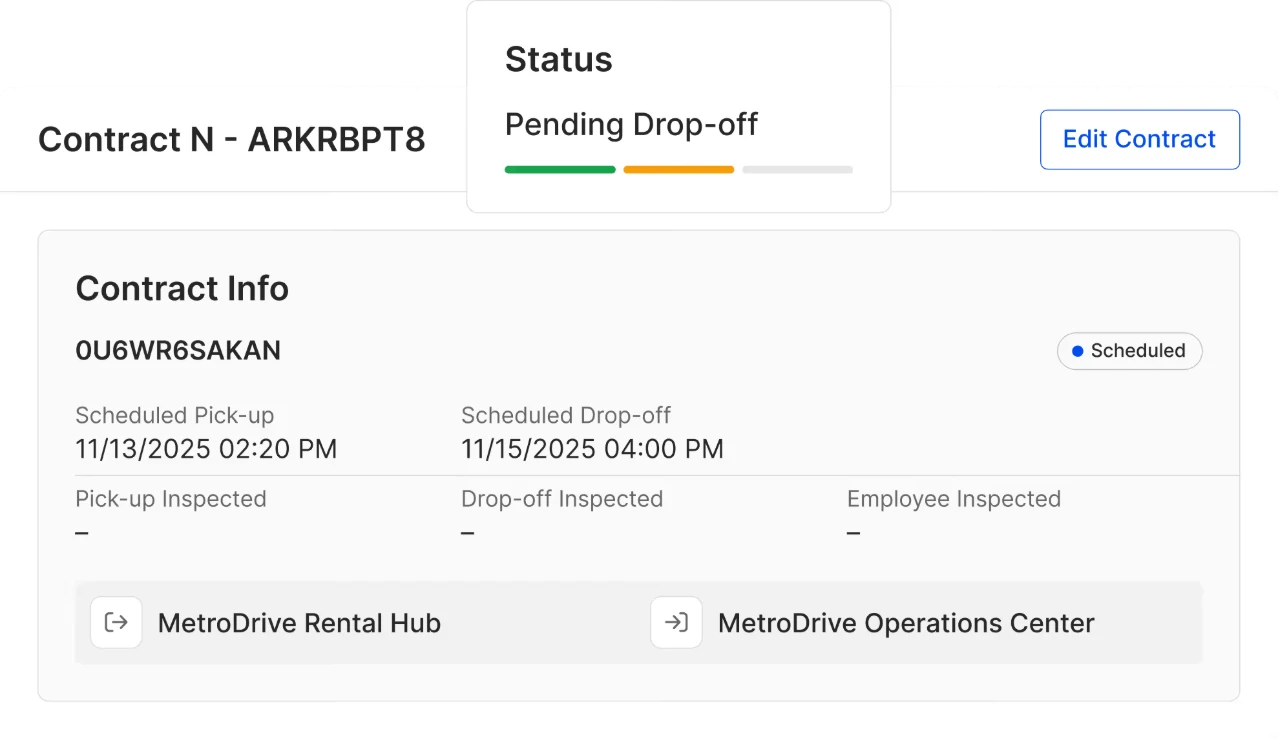
Contracts and policies
Every inspection is tied to its rental agreement, verified, traceable, and audit-ready.
The two rental inspection moments
Every rental has exactly two points where condition can be established cheaply. Miss either one and the dispute becomes a matter of opinion.

The customer captures the vehicle before driving off, which establishes the baseline that protects them from being charged for damage that was already there - and protects you from the argument that it might have been. It takes about 90 seconds at the counter or in the lot, needs no inspector time, and gives the renter something they can point to later. Operators consistently find that renters who complete a pre-rental capture dispute fewer charges at return, because the conversation starts from a shared record rather than from two recollections.

100%
Of findings checked by a certified expert before the report is released
90s
Guided capture in the phone browser, at pickup and at return
30%
Faster damage dispute resolution at Avis
Only the difference between the two inspections
Comparing pickup against return is the feature rental operators buy the platform for. Everything else is table stakes.
How much chargeback revenue is being left on the table?
This is the number that decides the business case, and most operators have never had it measured cleanly.
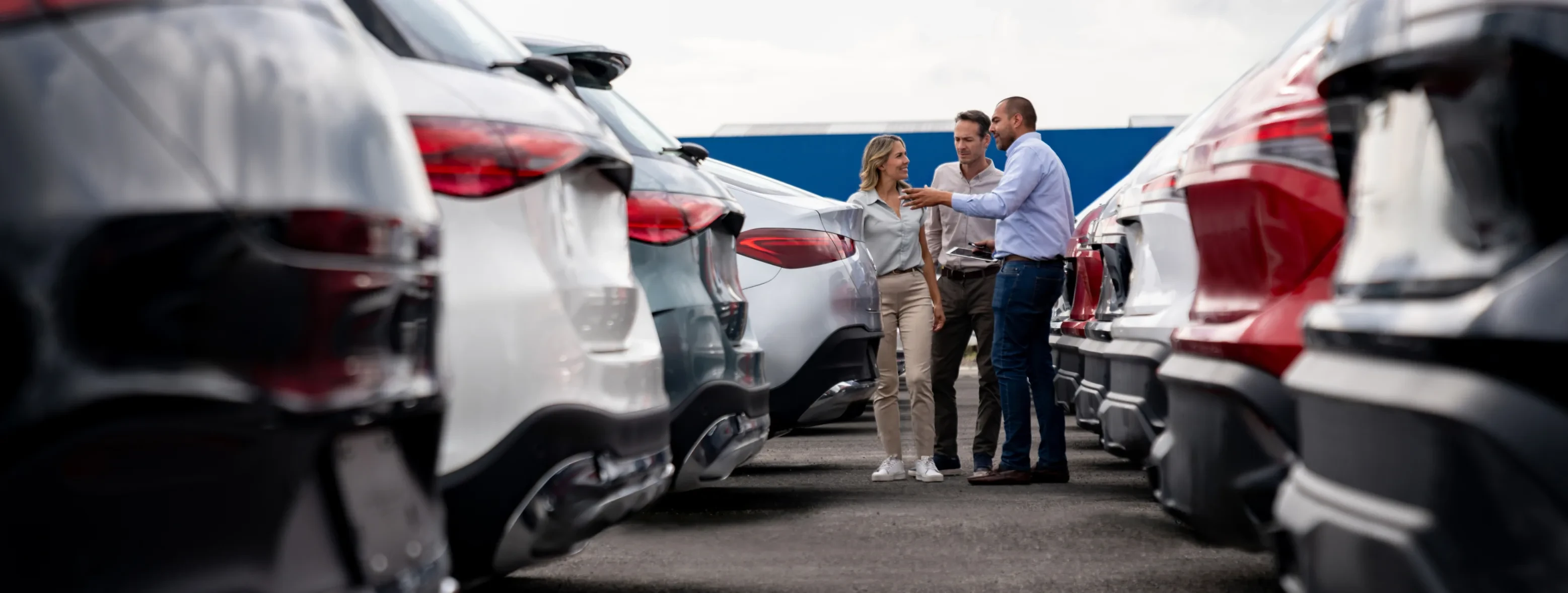
Industry-wide, roughly 30% of legitimate damage claims are disputed and reversed because the documentation behind them will not survive a challenge. A handwritten damage slip, a photograph taken three days later in a different light, a note that says "scratch, rear quarter" with no indication of size - none of it holds up when the renter pushes back, so the charge gets written off rather than defended.
The damage is photographed at the moment of return, classified by type, location, and severity, verified by a certified human reviewer, and presented against a pre-rental baseline that shows the same panel clean. The charge is the same charge; what changes is whether it survives.
Because the evidence is unambiguous, the claims that should not have been raised at all get caught earlier, which reduces the friction the customer experiences and the time the service team spends on reversals. Recovery goes up without the customer-facing aggression that usually accompanies a push on damage revenue.
30% faster damage dispute resolution, because the evidence packet is complete at the moment the claim is raised.
Customer-driven or agent-driven - or both
The capture flow is identical either way. What changes is who is holding the phone, and that can differ between pickup and return on the same rental.

A link goes to the customer by SMS and/or email at pickup, and again at return. They capture on their own phone with no app to install and no account to create, which is the only reason customer-driven inspection is viable in a rental context at all. Because the AI rejects blurred and glared photos at the point of capture and prompts a retake, the result does not depend on the customer being careful.



“They needed a faster, standardized smartphone capture workflow that could run uniformly at every counter - while keeping damage assessment and repair-cost estimation as an internal task.”


“AI-driven Self Inspection cut their lease-end turnaround times by ~50%, with self-inspections completed in approximately 10 minutes via smartphone.”


“They turned on every Self Inspection capability - visual capture, AI damage detection, and outsourced repair-cost estimation - on day one.”
See it on your own vehicles
No credit card. No lengthy onboarding. See it in action in 20 minutes.
FAQ
When a customer returns the vehicle, the rental agent (or the customer themselves) opens the inspection link on a phone and walks around the vehicle following guided capture. The AI detects damage, compares against the pre-rental baseline, and flags net new damage with cost estimates - all within minutes. The damage report becomes the documentation for any chargeback billing.
Yes. When pre-rental and post-rental inspections both run through Self Inspection, the AI compares them and surfaces only the net new damage that appeared during the rental. This makes chargeback billing defensible - the customer can't credibly dispute damage that wasn't present at pickup.
No. Self Inspection runs in any phone browser. The rental customer (or the agent) opens the inspection link, captures photos following guided prompts, and the inspection completes - no app download, no account creation, no friction. This makes customer-driven inspections actually viable in the rental context.
Outcomes vary by operation, but the typical pattern is a meaningful increase in successful damage charge collection due to better evidence. Industry data suggests roughly 30% of legitimate damage claims get disputed and reversed without proper documentation; photo-evidenced, expert-verified Self Inspection reports are much harder to dispute.
Yes. The platform integrates with major rental reservation and damage tracking systems via API and webhooks. Pre-rental inspection links can be triggered automatically when a customer arrives for pickup, and post-rental damage findings can flow directly into the existing damage tracking and billing systems.
Yes. Many rental operators use Self Inspection for periodic fleet condition checks (between rental cycles, at scheduled maintenance, when vehicles are repositioned between locations). The Flow Constructor lets you build separate workflows for each inspection type while sharing the underlying AI and reporting.
The damage report is photo-evidenced (showing the actual damage), AI-classified (with type, location, severity), and expert-verified (a human reviewer confirmed the AI's findings). This makes findings highly defensible in dispute scenarios. Customers can still escalate, but the evidence trail means most disputes are quickly resolved in the operator's favor.
Within minutes from start to delivered damage report. The capture itself takes about 90 seconds, AI processing takes under 30 seconds, and expert review takes under 60 seconds. Compare to a manual walkaround inspection, which typically takes 30–45 minutes and produces no audit trail.