
Vehicle transport inspection software
Document vehicle condition at pickup and delivery in 90 seconds. Eliminate handoff disputes between carriers, shippers, and recipients with photo-evidenced AI inspection.






Self Inspection's transport workflow
Two captures and a comparison. Everything the attribution argument needs comes out of those three steps.
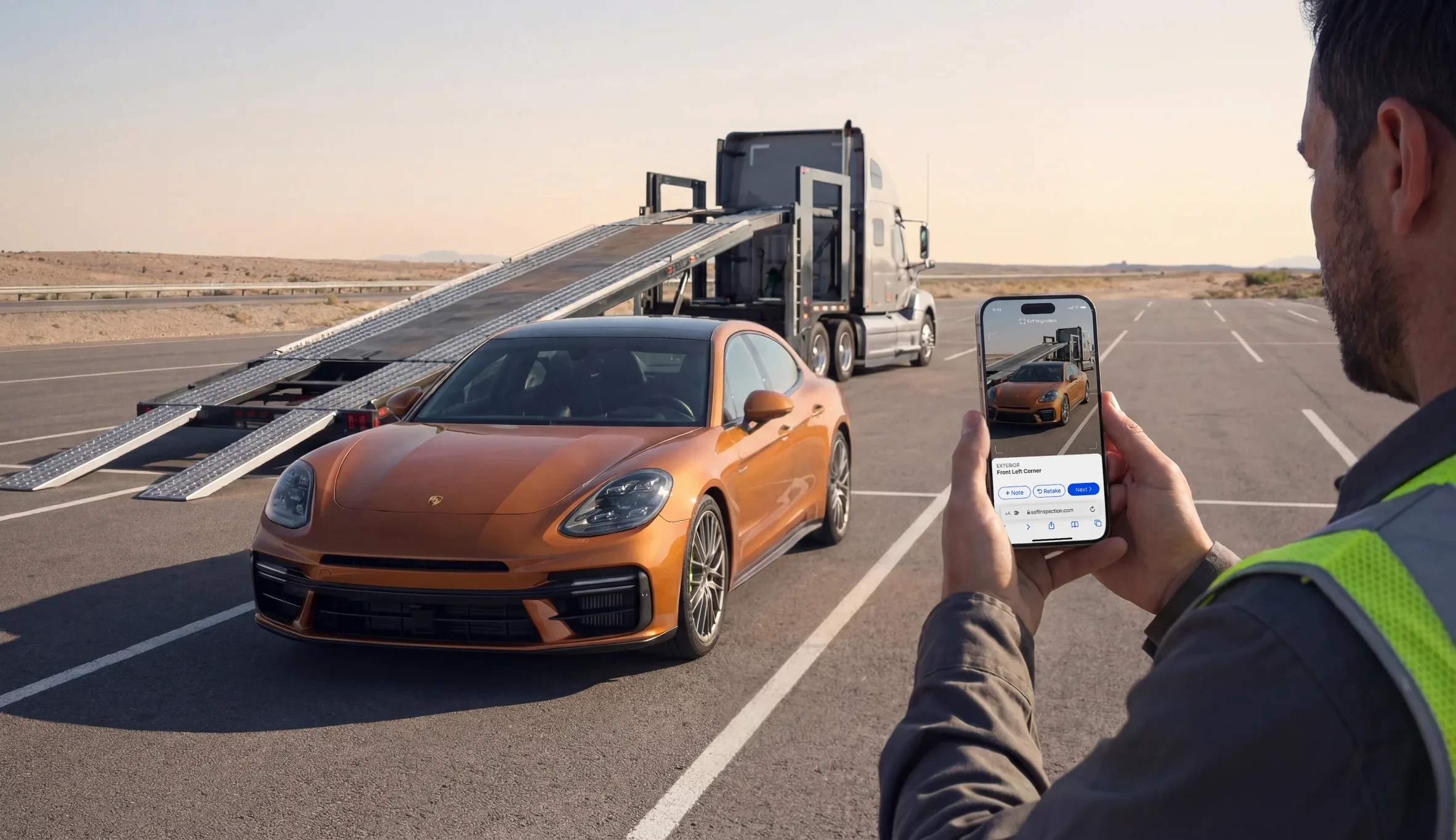
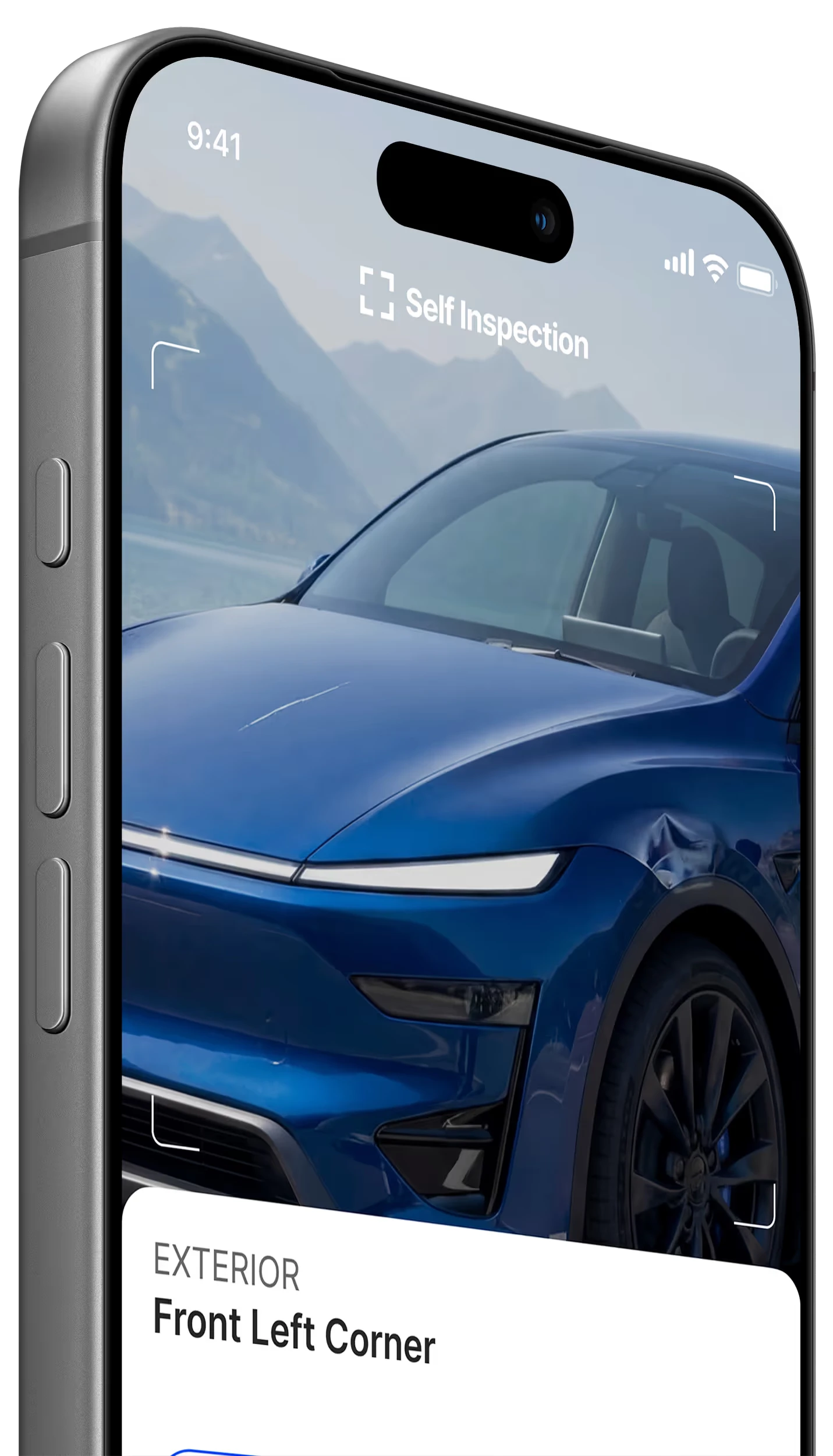
The carrier driver captures the vehicle before loading - 90 seconds of guided photos establishing the pre-transit baseline. This is the record that exonerates the carrier for everything already on the car.
Features built for transporters
Capture vehicle condition at every handoff with AI-powered inspections to prevent disputes and liability. Ensure safe deliveries with clear, consistent records.
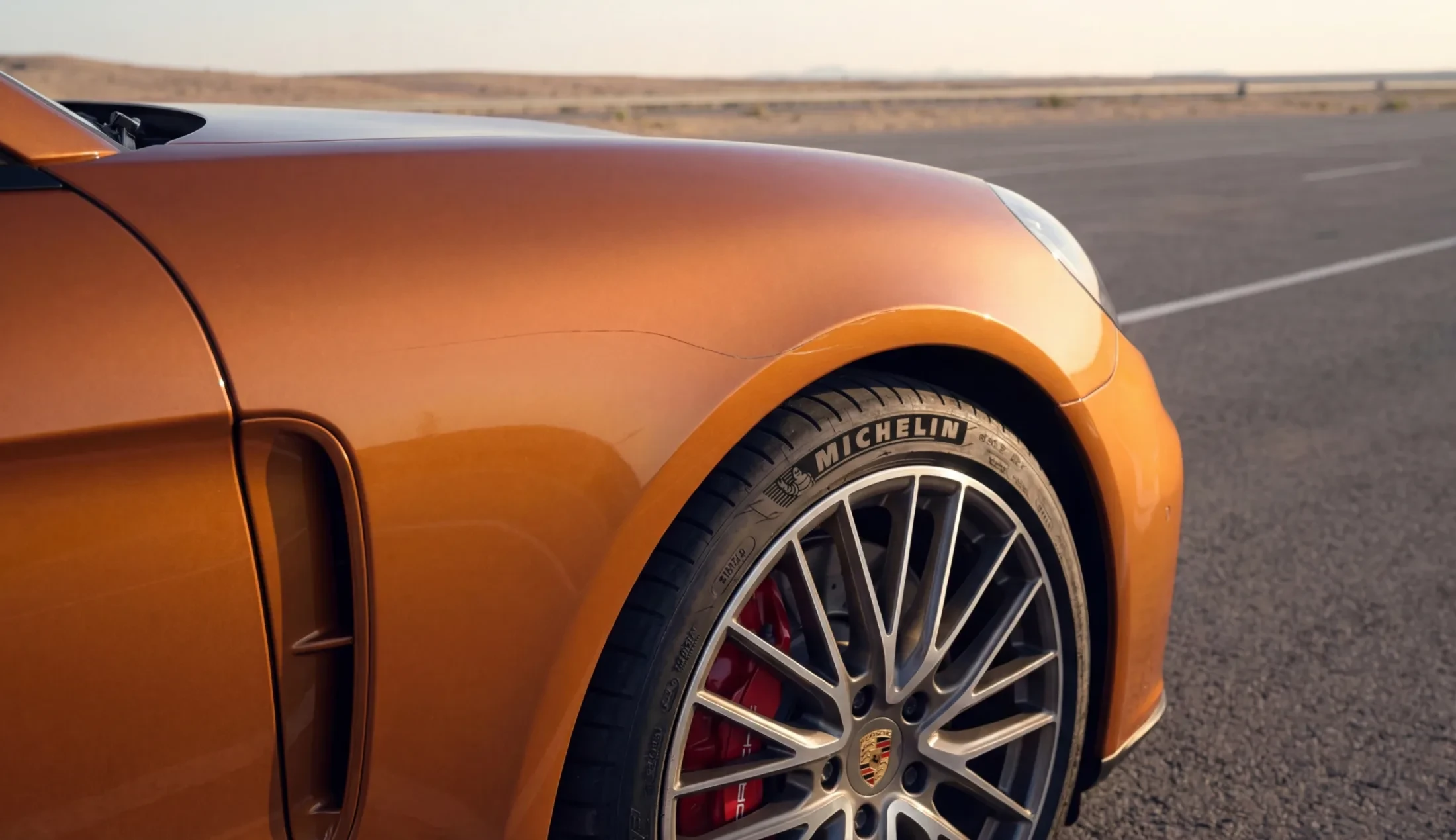







Mobile inspections for drivers
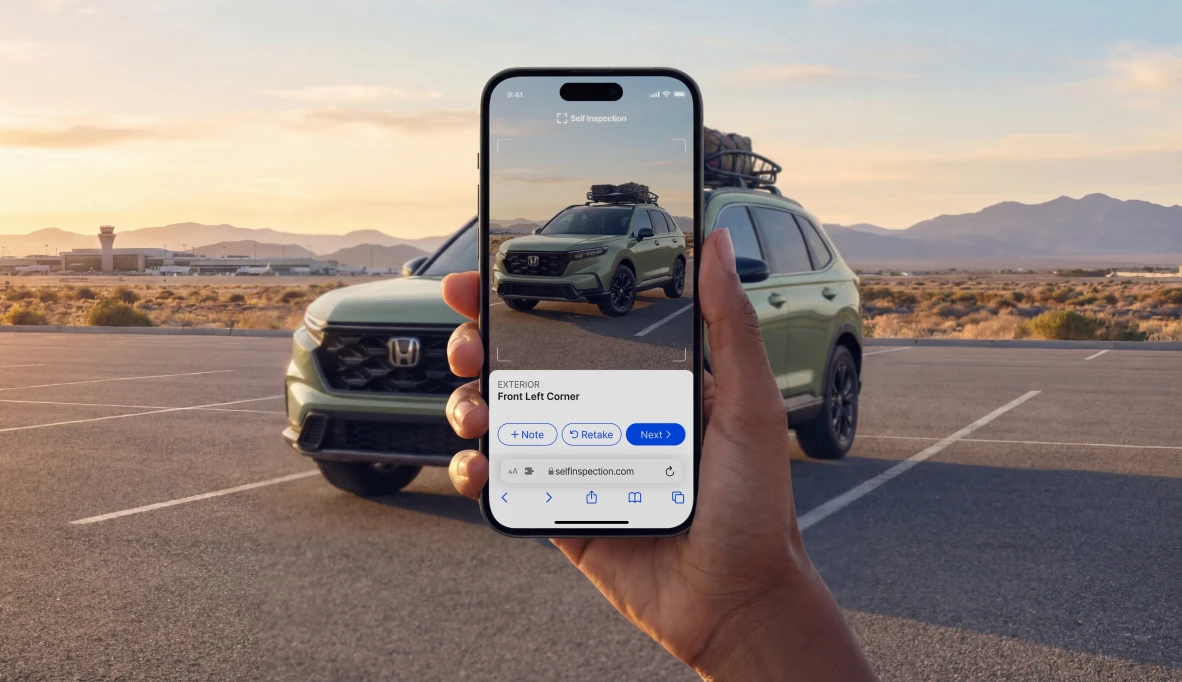
Drivers complete quick, guided inspections from any phone, with no app, hardware, or training required. Every report includes photos, timestamps, and location data for verification.
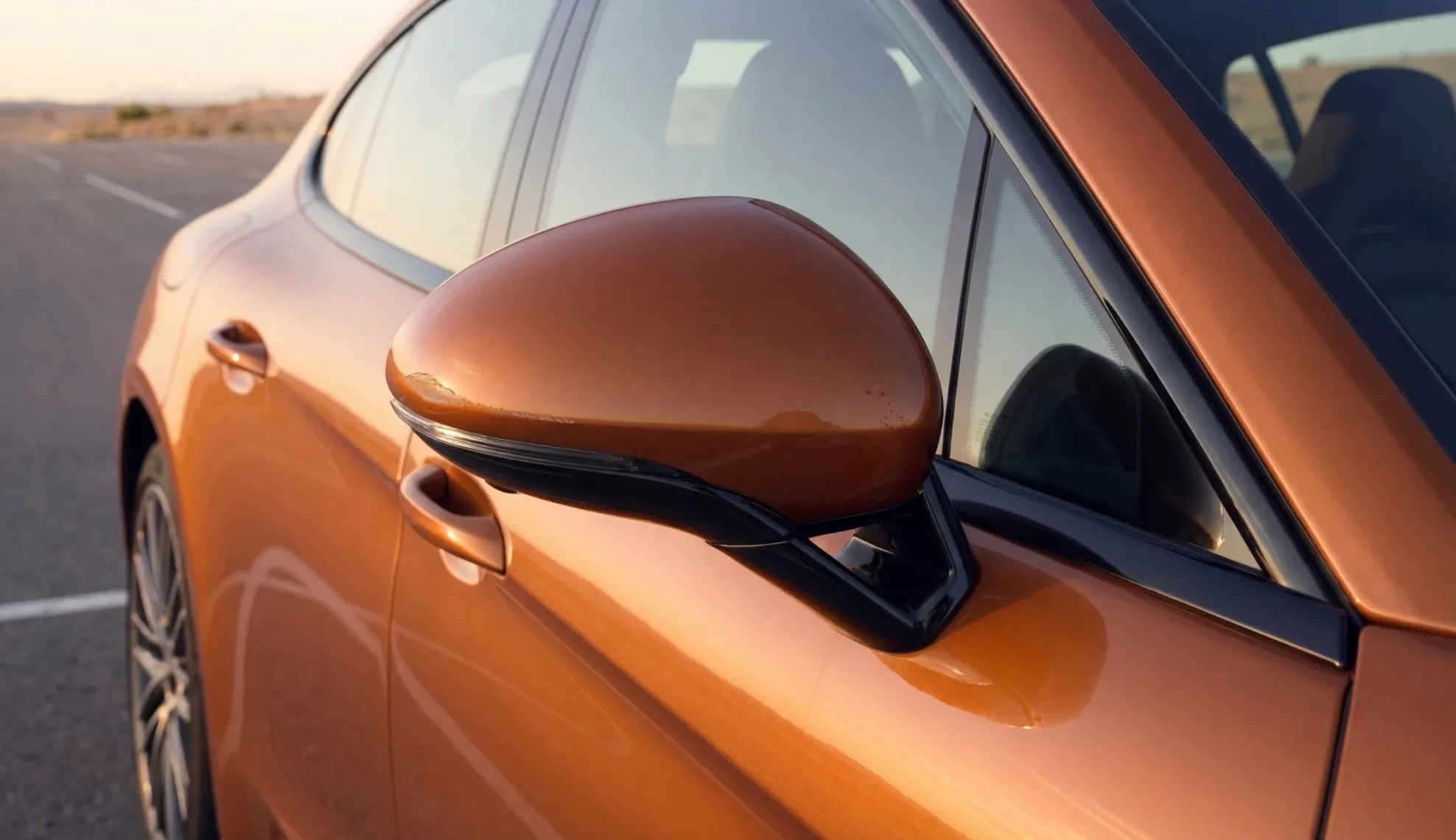
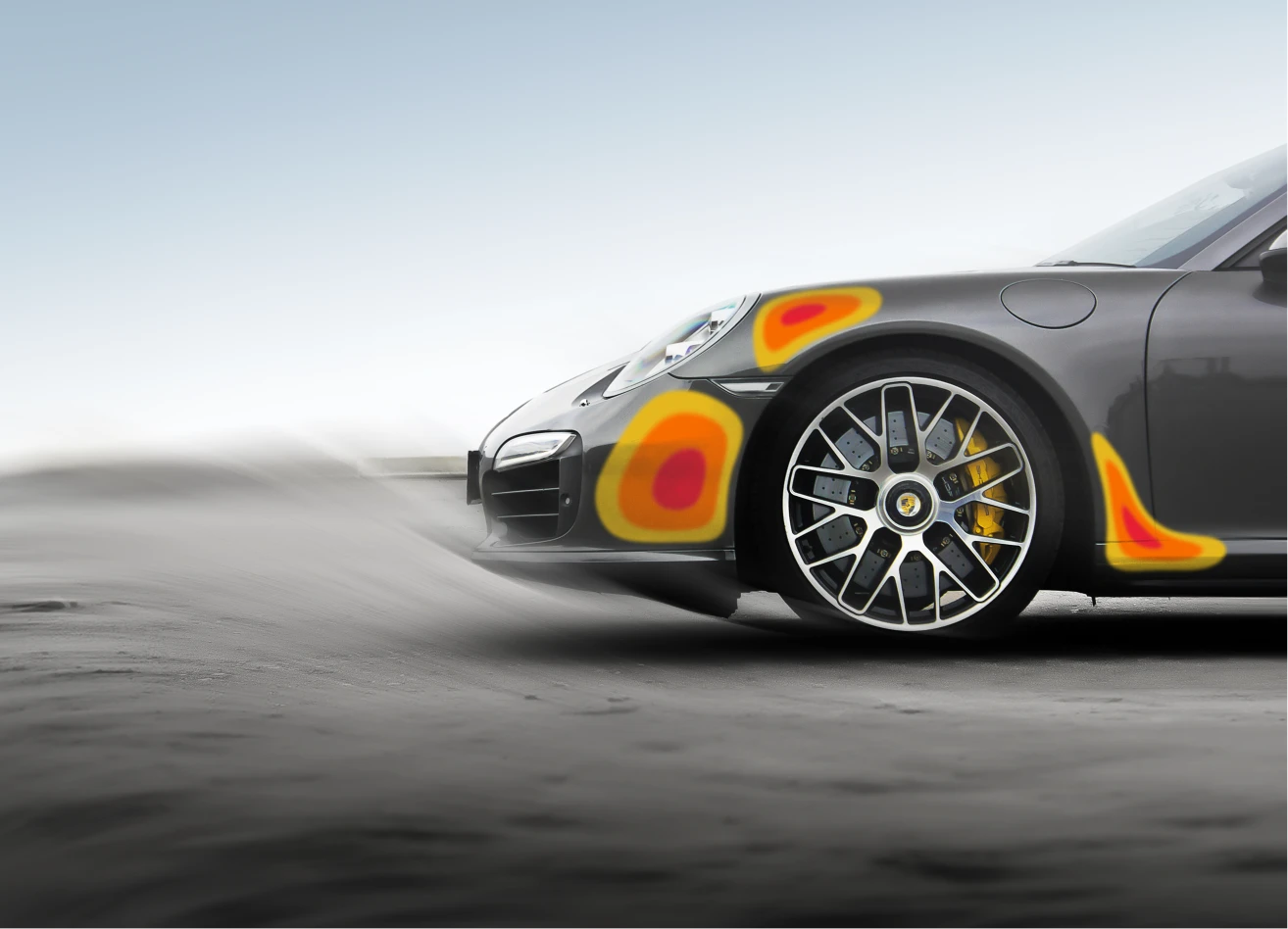
AI damage detection with expert review
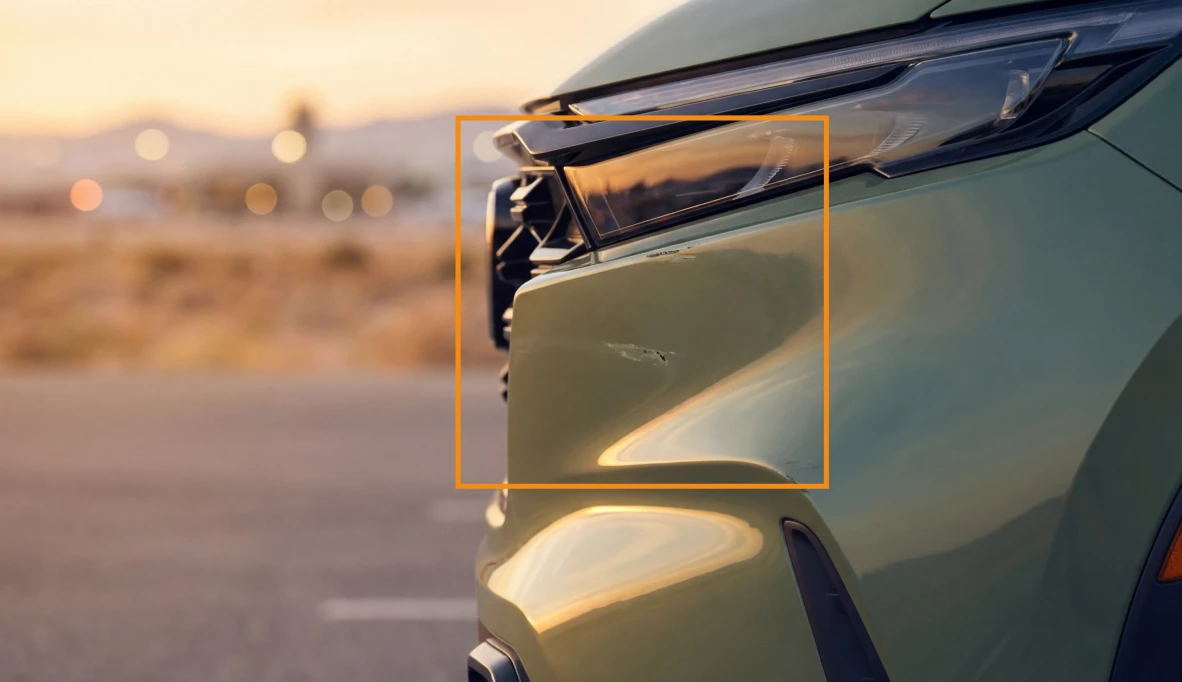
The AI compares pickup against delivery and flags only what appeared in between, each finding photo-evidenced and verified by a certified reviewer.
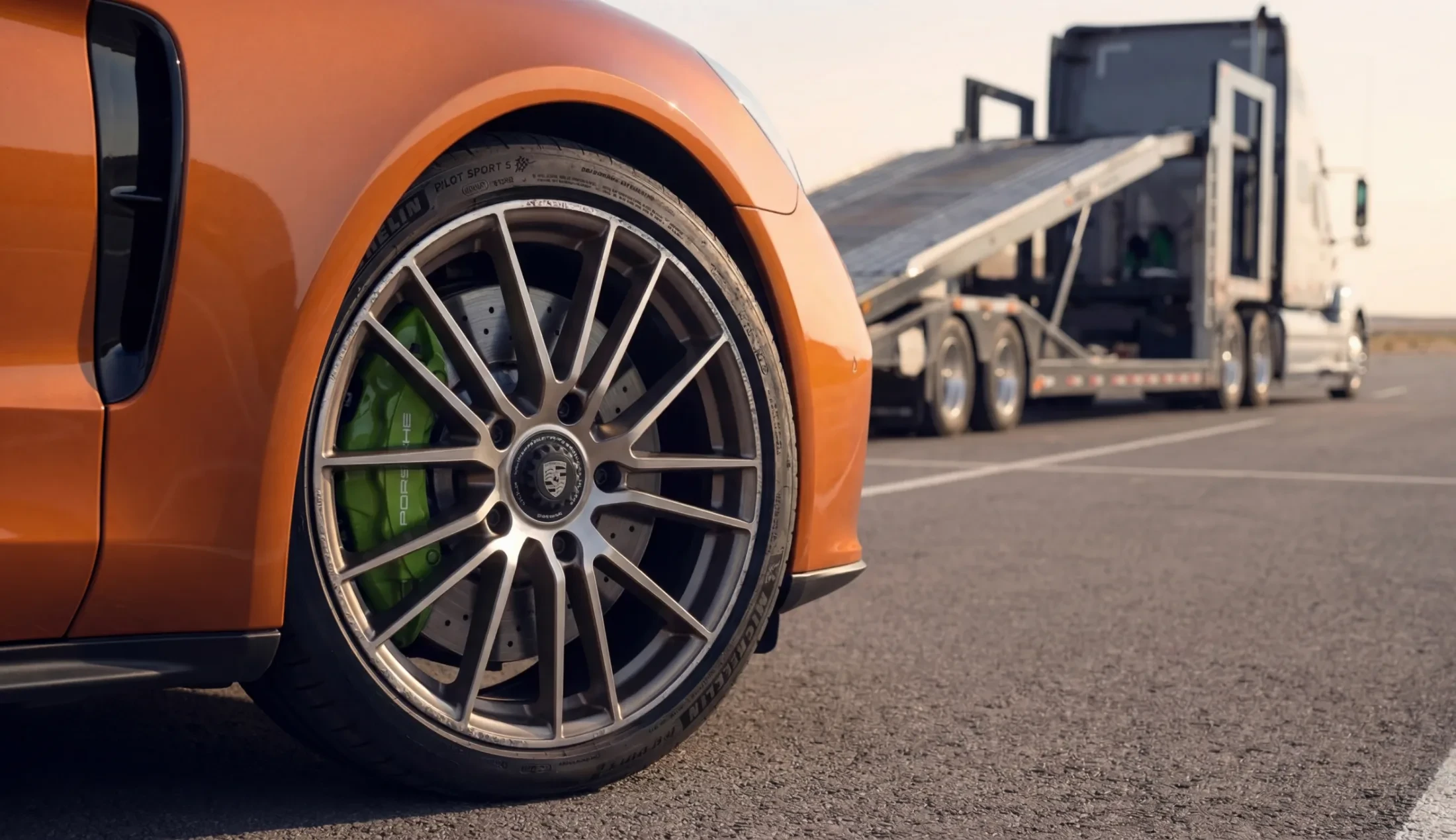
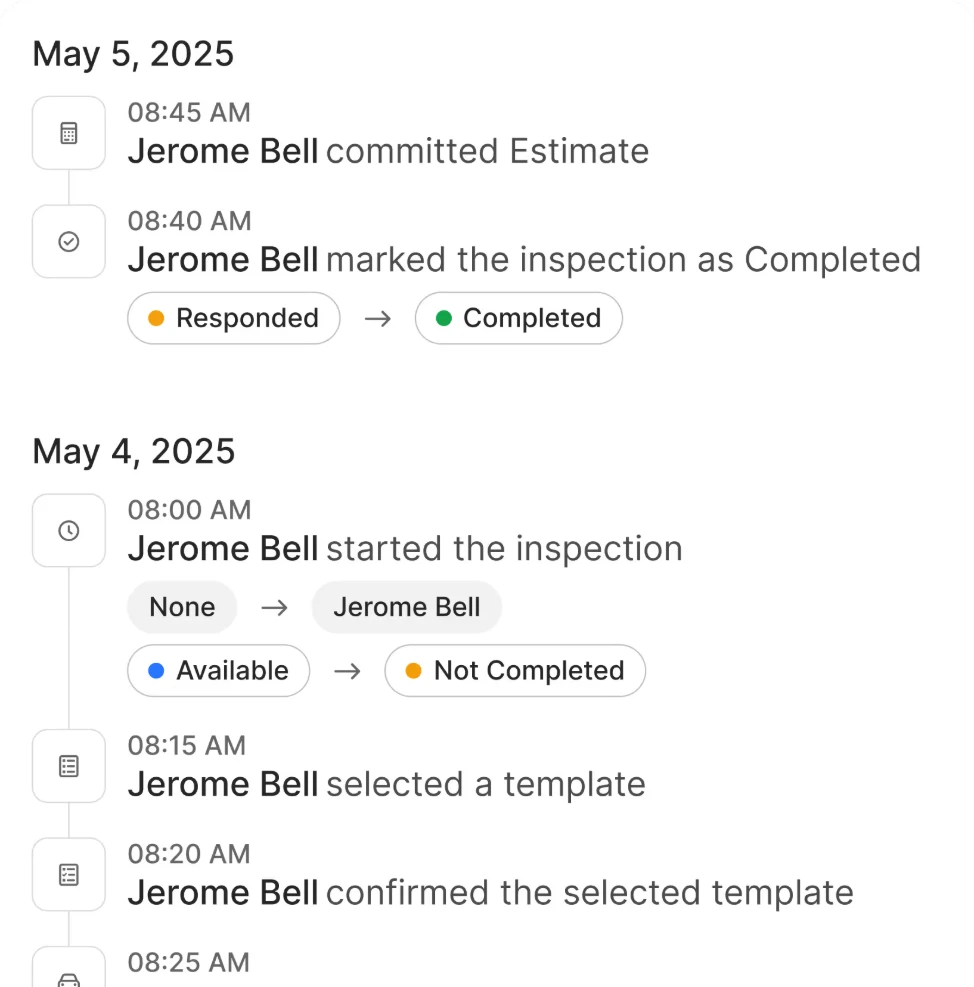
Timestamped pickup and delivery reports
Every inspection is timestamped, geotagged, and attached to the VIN, so the pickup and delivery records for a load sit side by side.
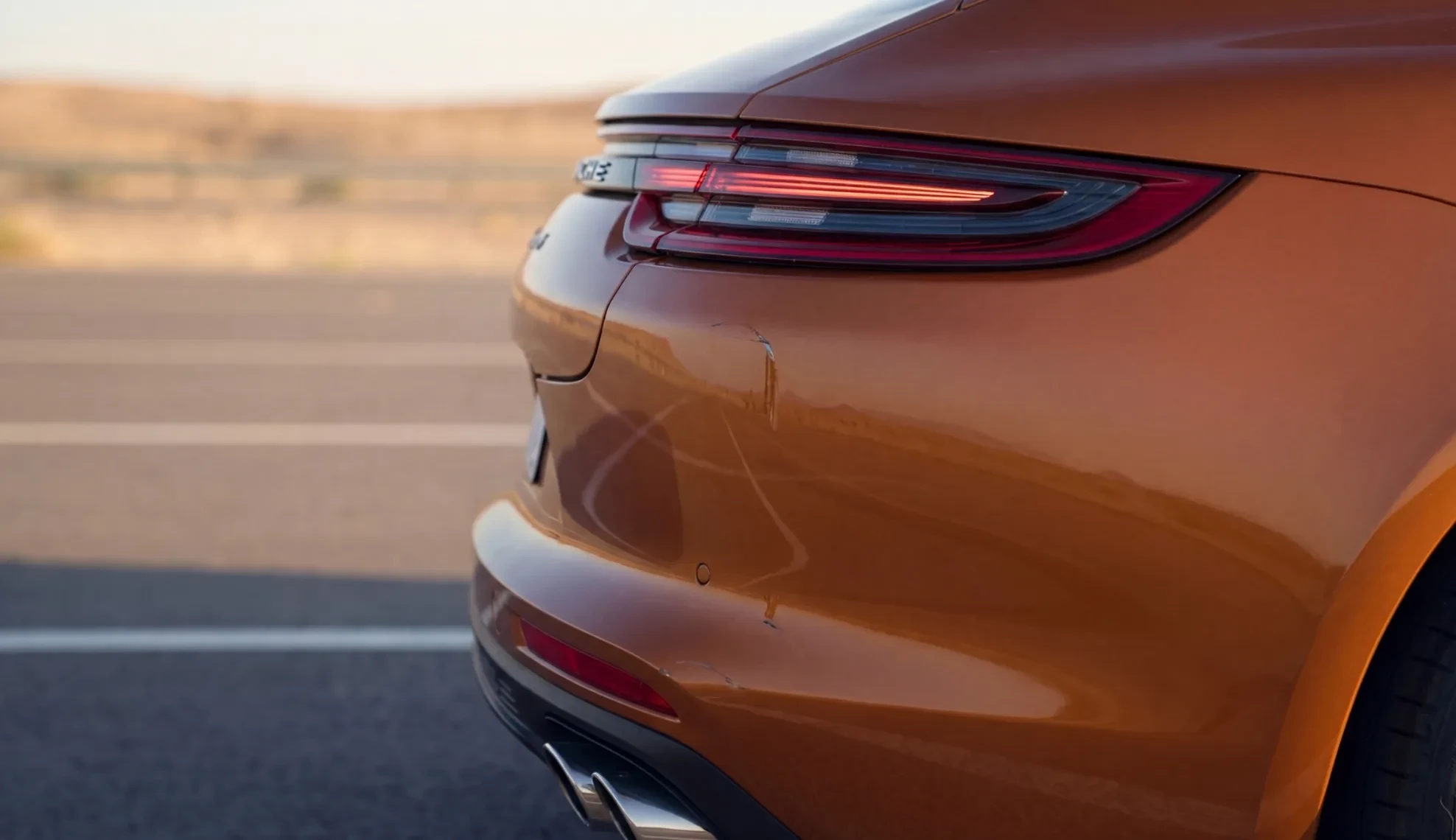
Automated notifications
Receive instant alerts for missed inspections, new damage, or delivery exceptions. Keep every load visible and every claim documented in real time.
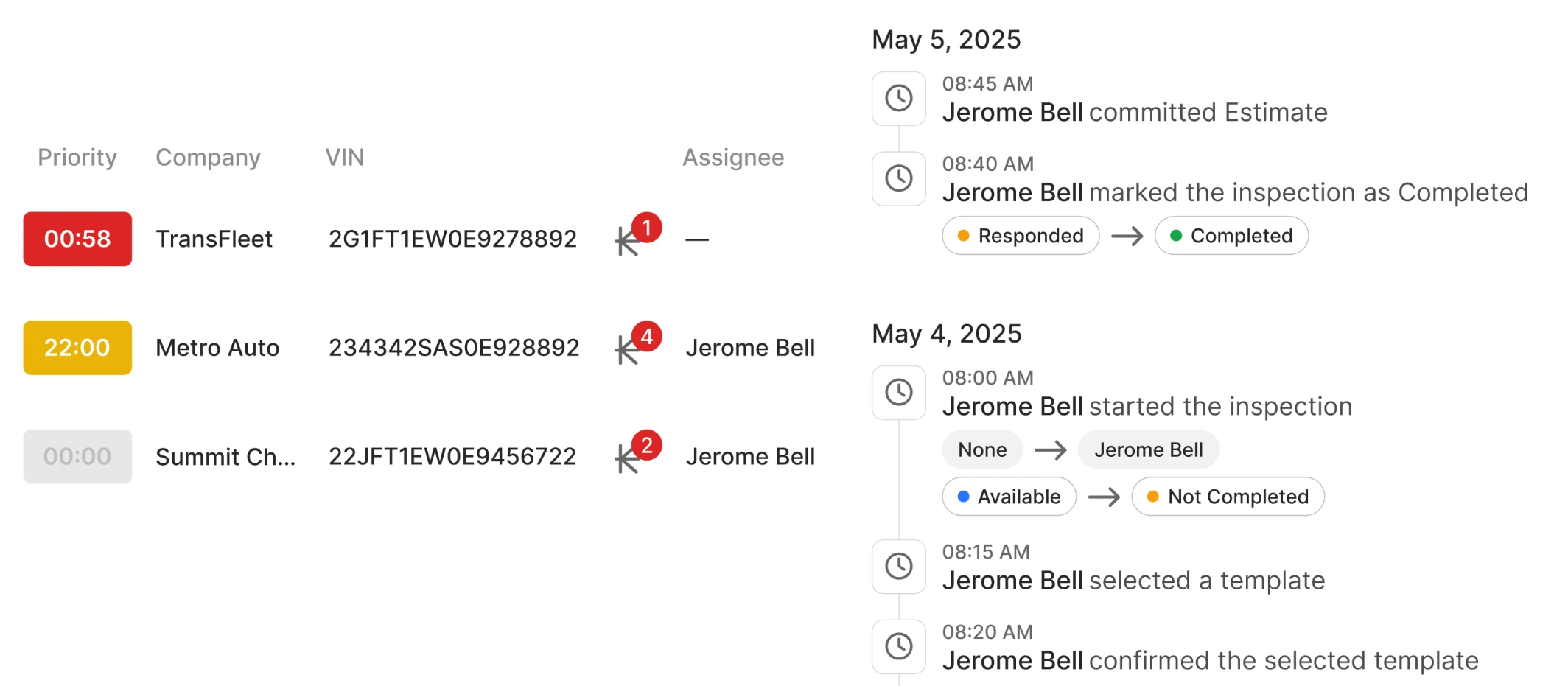
Asset management
Track inspection status and damage reports by shipment, route, or driver, all in one dashboard.
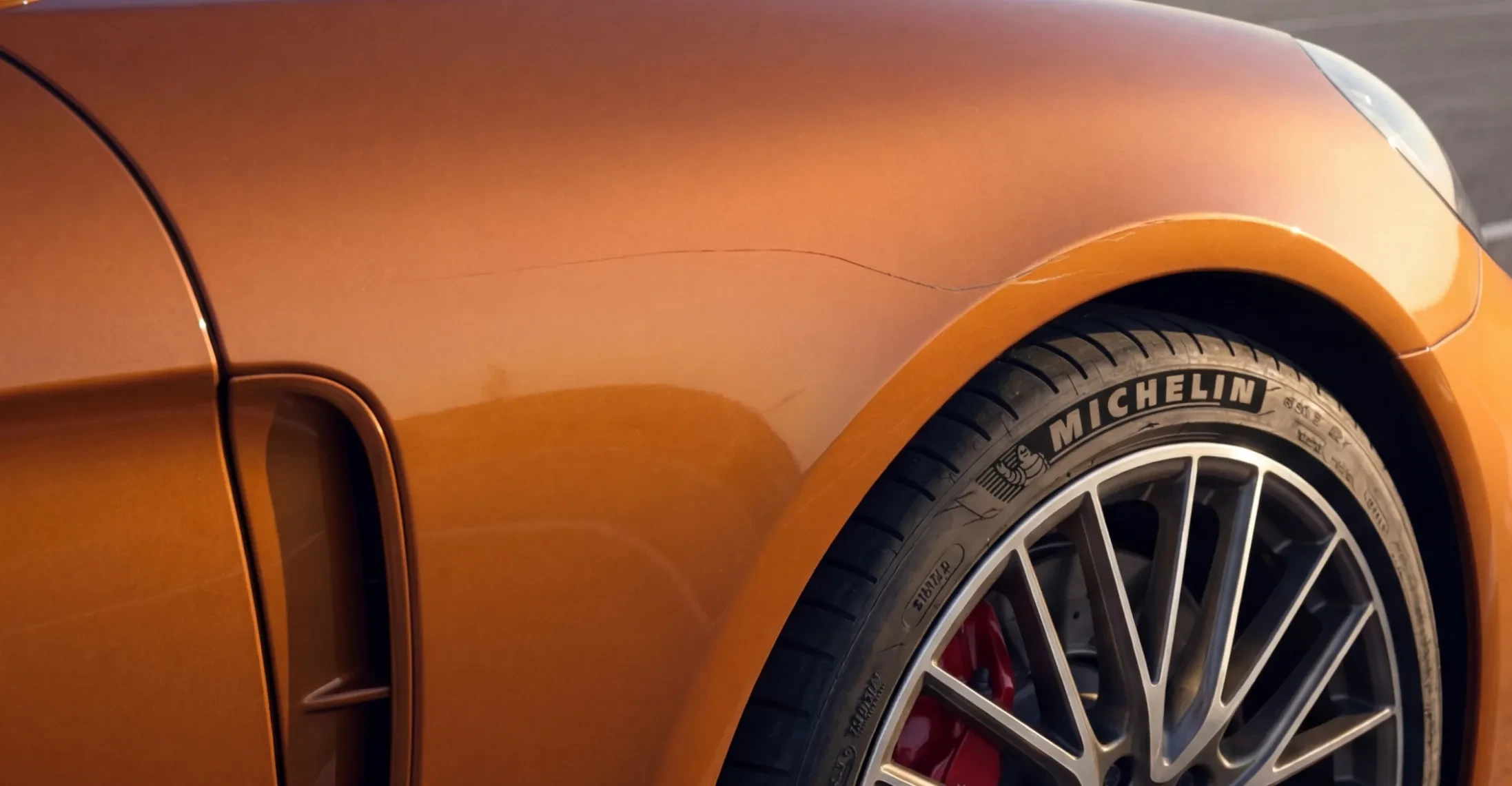
Claim and incident workflow
Generate claim files instantly with verified images and timestamps. Share directly with clients, insurers, or carriers to resolve faster.
Auditability and history
Every inspection and damage detected is logged, time-stamped, and stored securely for full transparency and compliance.
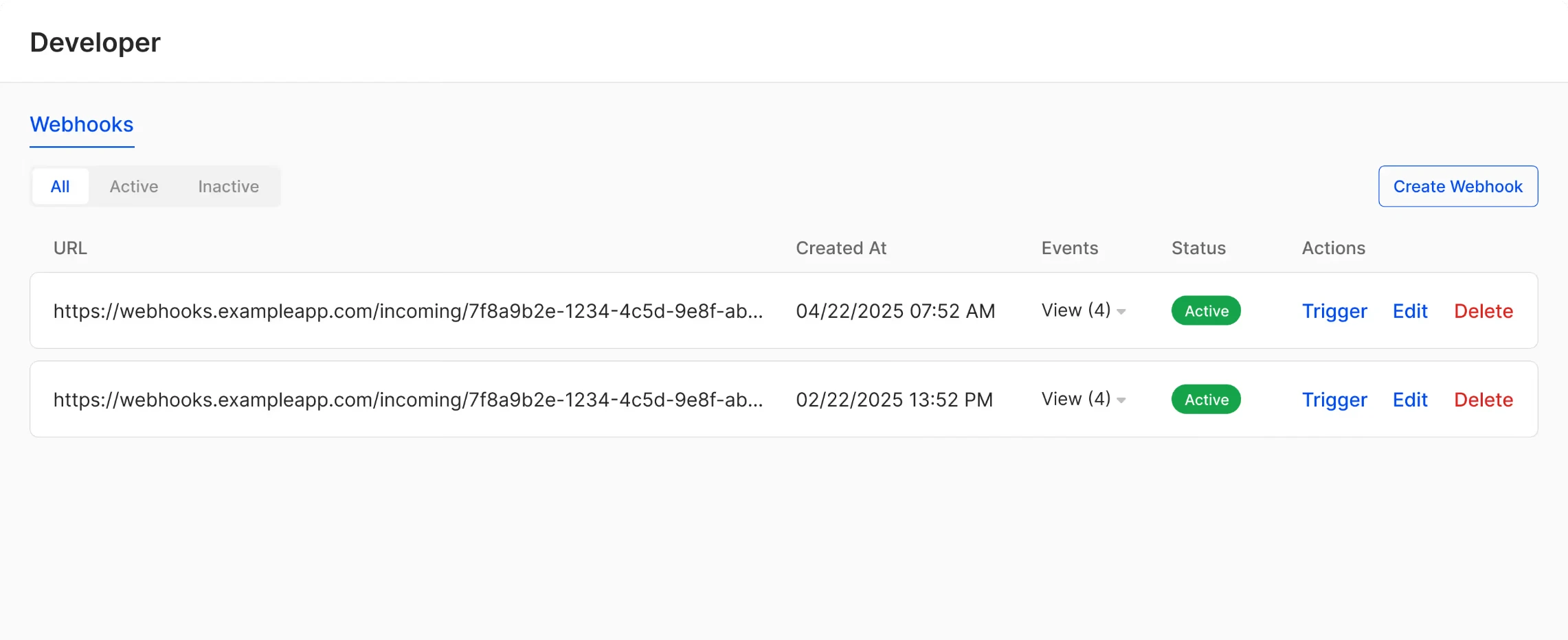
Partner and API integrations
Integrate Self Inspection directly into your platform workflows. Data flows automatically to your CMS, CRM, or transaction system.
Why transport damage attribution is so hard
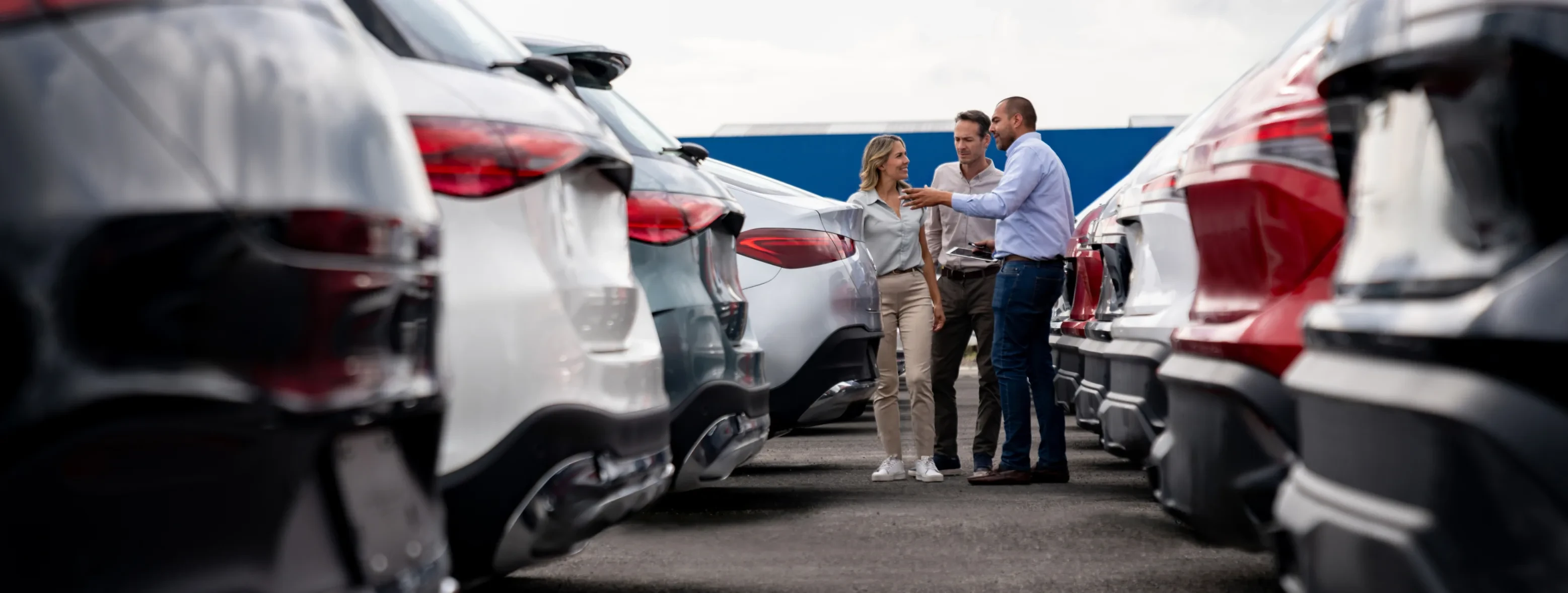
A vehicle in transit changes hands at least twice and often more: shipper to carrier, carrier to recipient, with yards, ports, and rail legs in between. Each handoff is a moment where condition could be established, and on most loads none of them are.

90s
Guided capture per vehicle, pickup and delivery alike
2
Captures and a comparison - pickup and delivery
Hours
Instead of days for most damage disputes to resolve
Built for how drivers actually work
An inspection process that assumes good signal, a company tablet, and a spare ten minutes will not survive contact with a car carrier.
What each party sees
Transport involves three parties with three different exposures. Each one needs a view of the same record, not a different record.

Full visibility into both pickup and delivery condition, and the comparison between them. Transit damage claims are supported or refuted from the same evidence, before a dispute becomes a negotiation.



“They needed a faster, standardized smartphone capture workflow that could run uniformly at every counter - while keeping damage assessment and repair-cost estimation as an internal task.”


“AI-driven Self Inspection cut their lease-end turnaround times by ~50%, with self-inspections completed in approximately 10 minutes via smartphone.”


“They turned on every Self Inspection capability - visual capture, AI damage detection, and outsourced repair-cost estimation - on day one.”
See it on your own vehicles
No credit card. No lengthy onboarding. See it in action in 20 minutes.
FAQ
The carrier driver inspects each vehicle at pickup using Self Inspection - a 90-second guided photo capture. The same inspection happens at delivery (by the driver or the recipient). The AI compares pickup and delivery photos, flags any net new damage with photo evidence, and produces a clean report attributing damage to either the shipper (pre-existing) or the carrier (in-transit).
Yes. The capture flow has offline mode - photos are cached locally if cellular signal drops, and uploaded automatically when the device reconnects. This is essential for transport workflows where drivers regularly work in remote areas, port facilities, and other low-coverage zones.
By comparing the pickup inspection with the delivery inspection, the AI surfaces only the net new damage that appeared during transit. Each finding is photo-evidenced and expert-verified. This makes damage attribution clear - pre-existing damage (visible at pickup) is the shipper's responsibility; in-transit damage (new at delivery) is the carrier's. Most disputes resolve in hours instead of days.
Any of them. The capture flow works equally well for the carrier driver, the receiving party, or a third-party inspector. Many shippers prefer driver-driven pickup inspections (faster, no extra workflow) and recipient-driven delivery inspections (gives the recipient skin in the game). The choice is configurable per shipper or per route.
Yes. The platform integrates with major TMS and dispatch platforms via API. Common integrations include: trip-keyed inspection creation (inspections automatically associate with the carrier's trip ID), automatic delivery confirmation, and claim auto-population to insurance carriers when transit damage is detected.
Yes. Some transport flows include multiple handoffs (e.g., port → rail → final delivery). Each handoff can have its own inspection, all keyed to the same VIN. The damage attribution model handles multi-stage transport - net new damage is calculated between each pair of consecutive inspections.
Photo-evidenced damage attribution makes claims faster and more defensible for carriers. When transit damage is documented with clear before/after evidence, claims process more cleanly with insurance carriers. When a damage claim is made against a carrier for pre-existing damage, the pickup inspection record provides immediate exoneration.