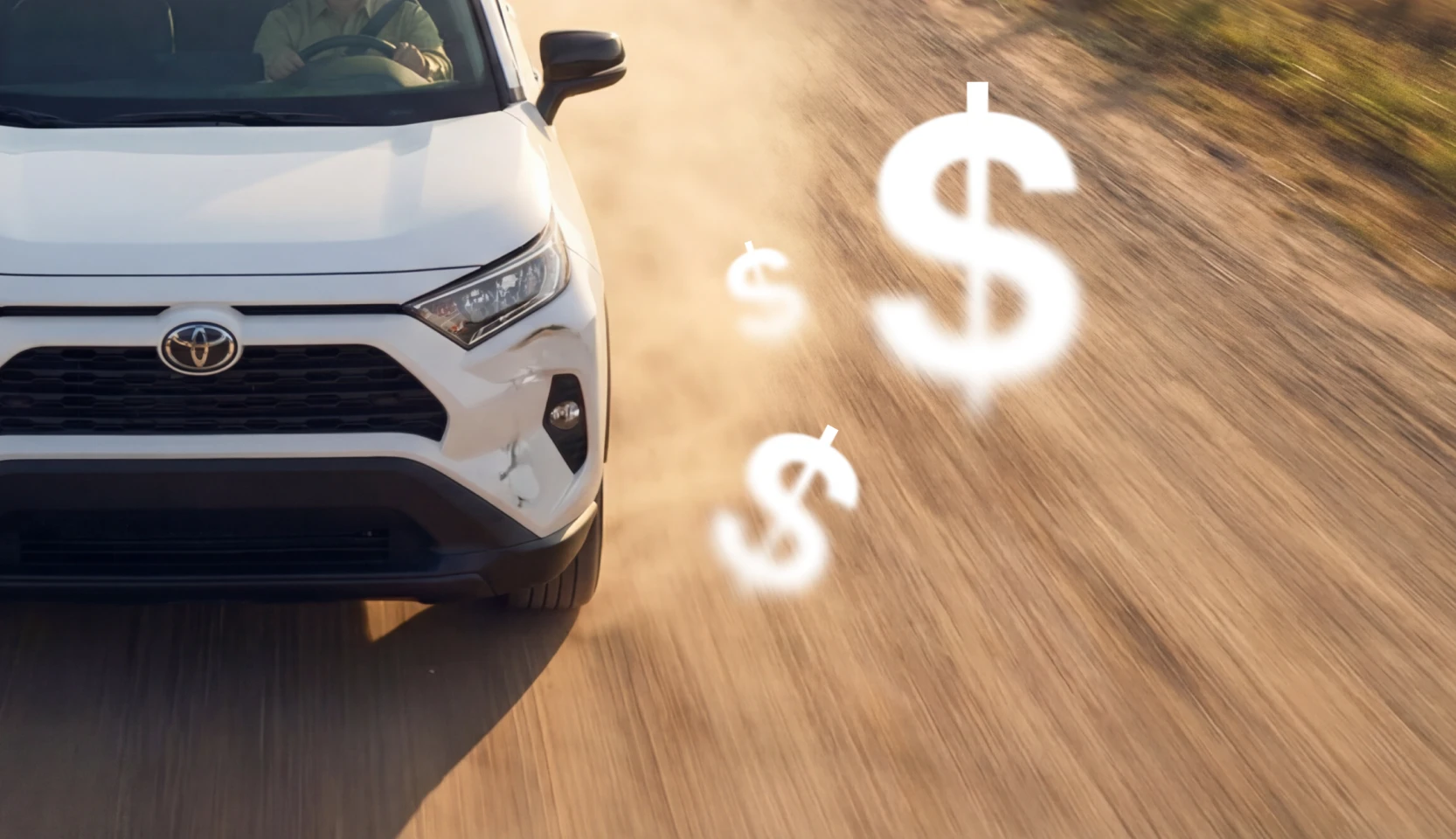

The last manual step in a digital operation.
- Inspections delivered
- 802
- Average inspection time, vs. 30–45 min manual
- 6 min 40 s
- Estimated counter time saved
- ~410 hrs
“Auto360 had already digitized bookings, sign-in/out and tracking. Vehicle inspection was the part still breaking the flow.”
The operation was digital. The inspection wasn't.
A manual step in an app-driven workflow
Auto360 runs a commercial vehicle rental and accident repair operation from North Weald Airfield in Essex, with a rental fleet of more than 250 vehicles across five vehicle classes. Its booking, sign-in/out and tracking workflows were already digital. But condition capture still depended on a manual walk-around, leaving one disconnected step in an otherwise app-driven operation.
When damage was missed, the next handoff got harder
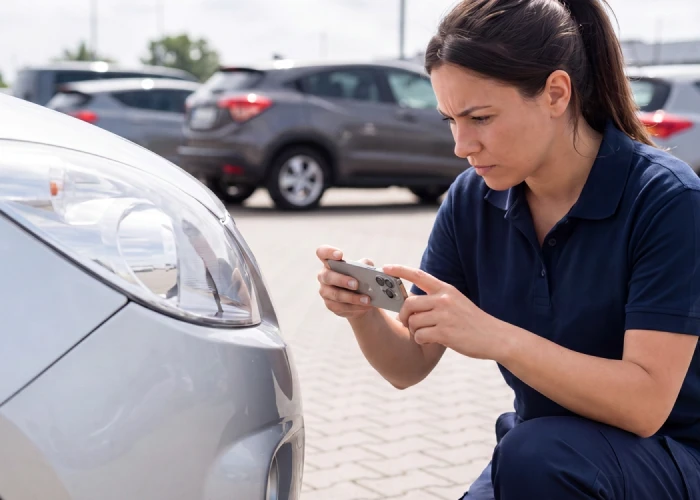
A missed scuff, dent or edge mark was not only a documentation problem. If it surfaced later, the team had to work backward to understand when it appeared and which rental it belonged to. Across repeated vehicle handoffs, small gaps in the condition record could create bigger attribution questions.
In-house repair created a credibility question
Auto360 also operates its own accident repair workshop. That expertise made repair straightforward, but it created another challenge when a claim was discussed with a customer or insurer: an estimate produced by the same company doing the repair could be questioned as self-interested. Auto360 wanted a more independent basis for the repair cost conversation.
What Auto360 actually needed
Not another standalone inspection tool. A condition workflow that could fit the digital operation already in place.
The goal was not simply to replace a clipboard with a phone. Auto360 needed a consistent way to capture conditions across Mini Vans, Standard Vans, MWB, LWB and Box Vans, surface damage for staff review, and bring an independent repair-cost estimate into the same process.
“The requirement: one repeatable condition workflow across the fleet, with a stronger record at each handoff and an independent estimate when a repair decision followed.”
Closing the gap
1. Standardize the capture
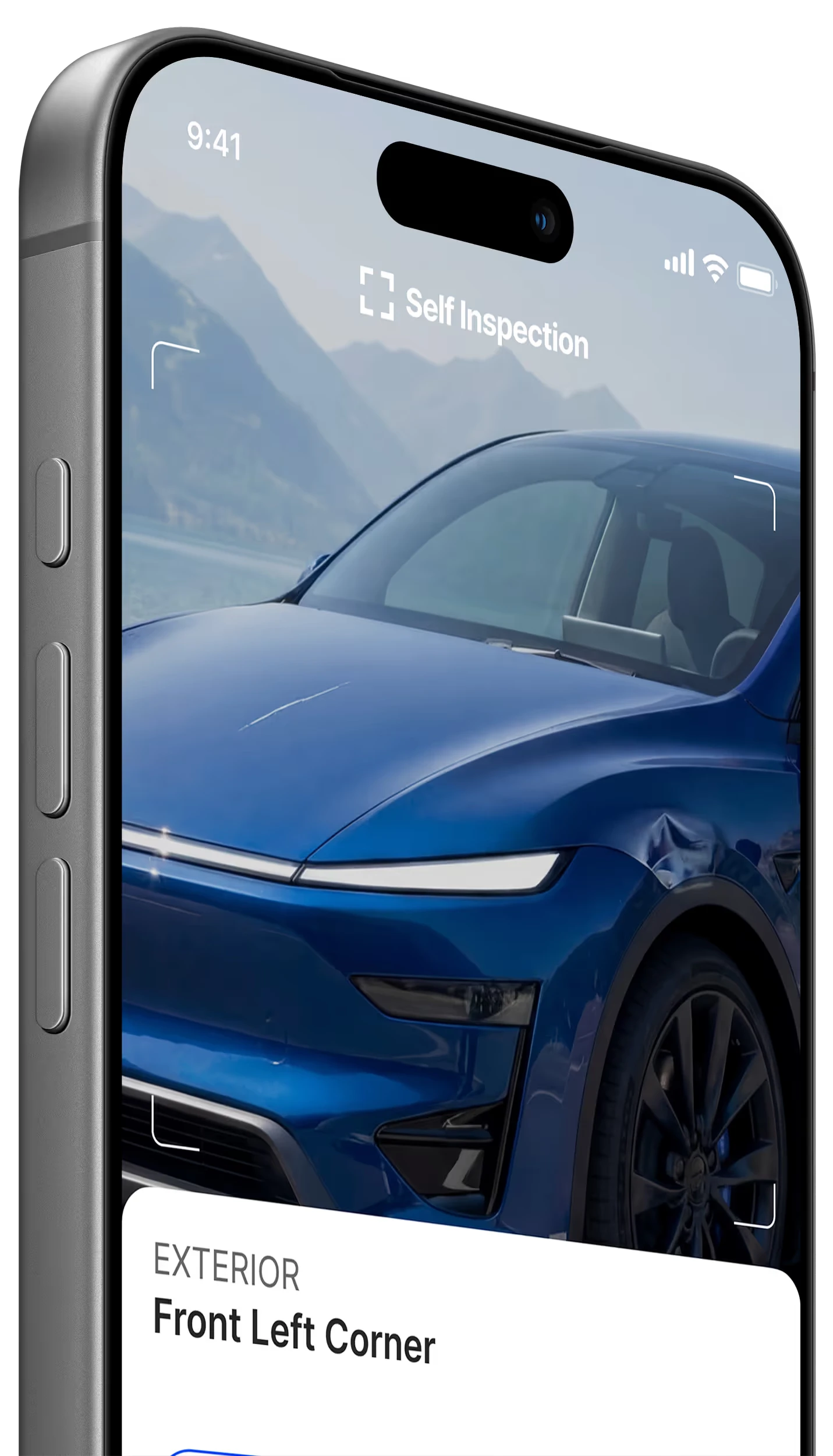
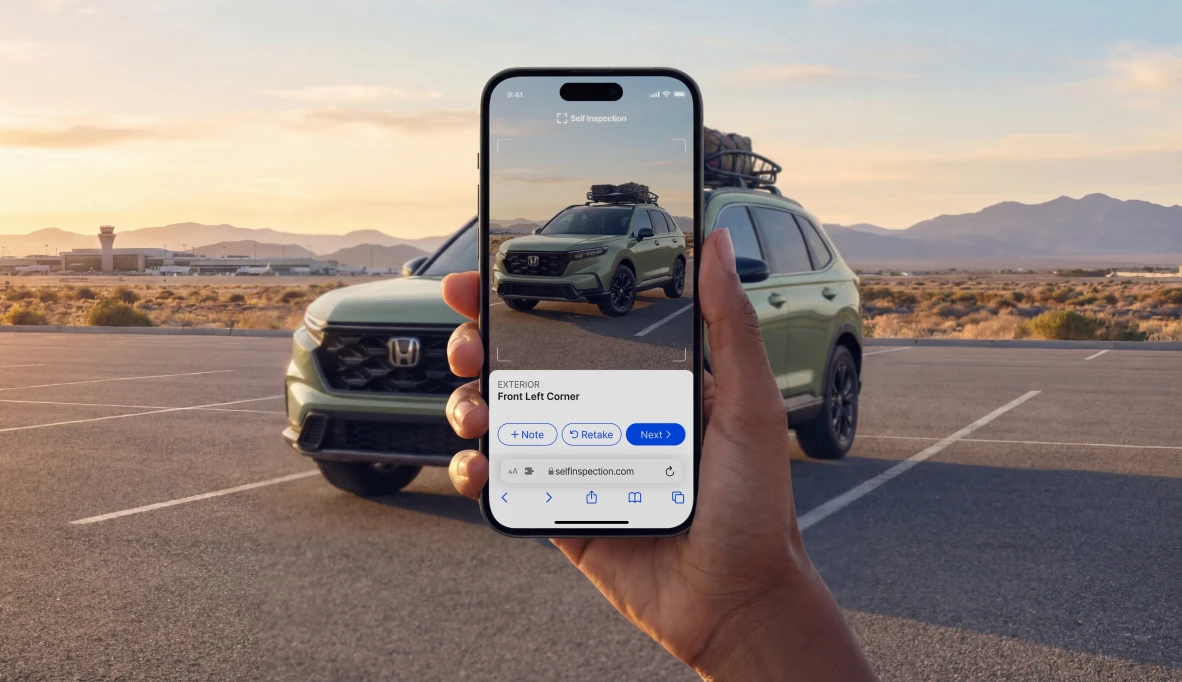
Staff follow a guided photo and video walkaround designed to create a consistent record across vehicle classes instead of relying on different habits, angles or paper notes.
2. Add AI-assisted damage detection
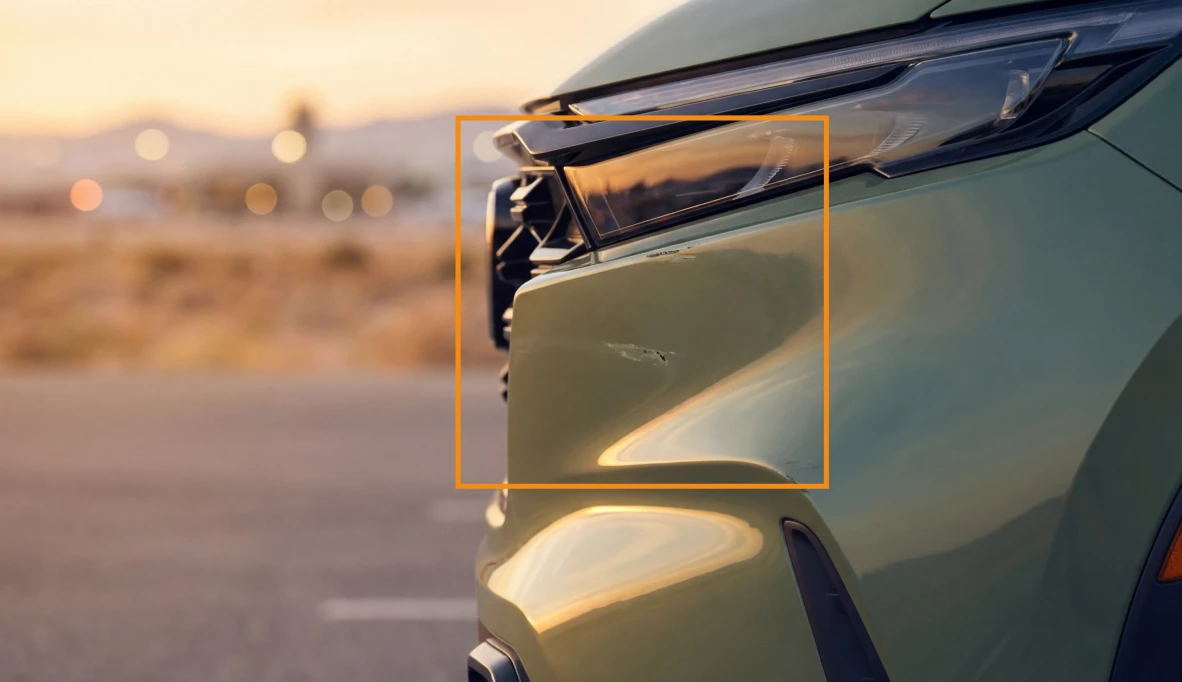
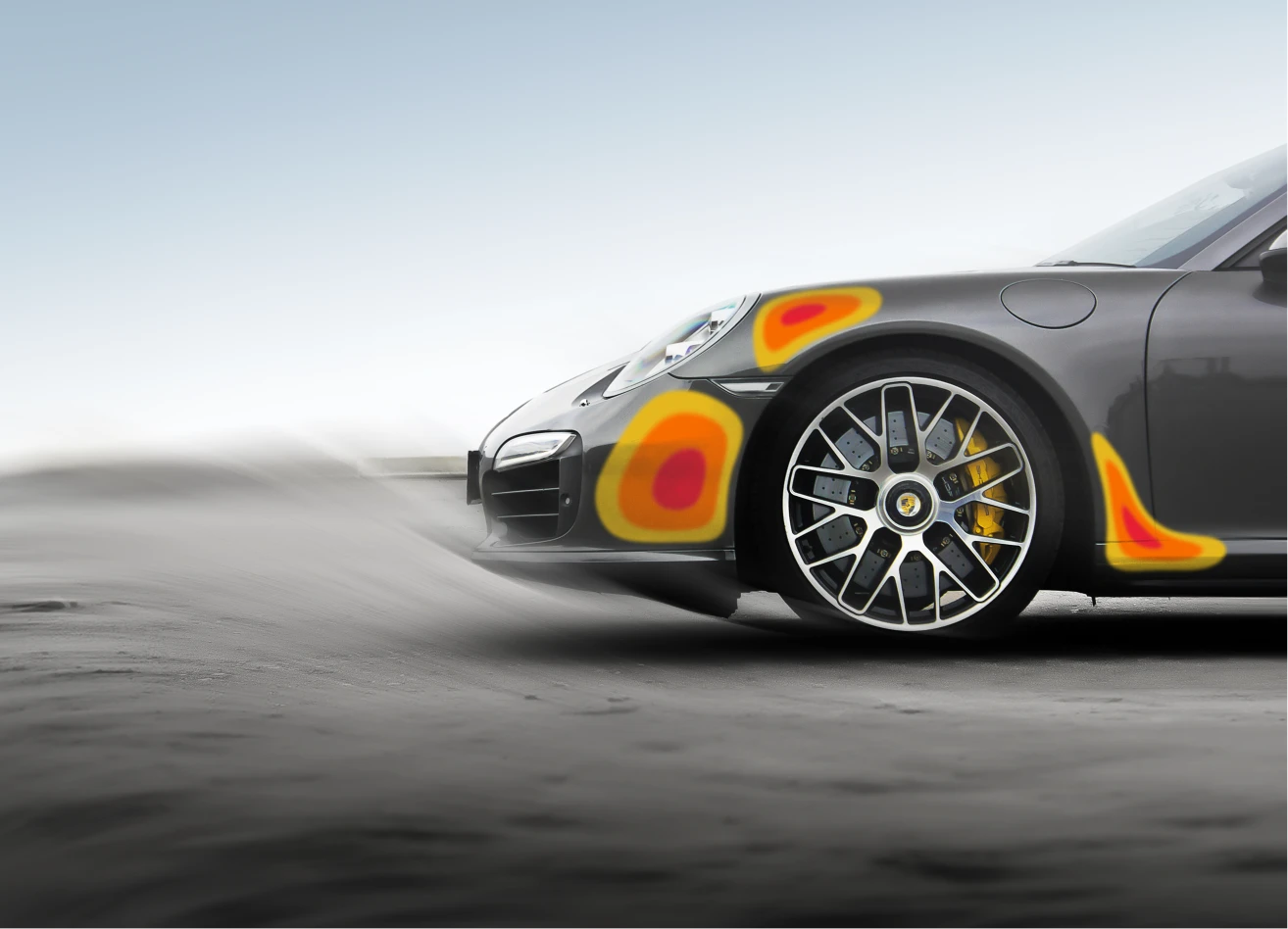
The captured imagery is analyzed for potential damage. Staff remain in the workflow and can confirm or override flagged findings, keeping the technology in a supporting role rather than treating it as the final decision maker.
3. Separate the repair estimate from the repair shop
When damage needs a repair-cost estimate, Self Inspection's insurance trained evaluators provide the estimate independently of Auto360's workshop. That gives the claims conversation a third-party reference point without requiring Auto360 to give up its repair operation.
Together, those steps turned inspection from an isolated manual task into a structured condition workflow that could sit alongside Auto360's existing digital rental process.

From first inspection to full-stack default in 90 days
The rollout happened in stages so the workflow could be validated before every capability became standard.
| When | Milestone | What changed |
|---|---|---|
| Mar 24, 2026 | Pilot launch | First live inspection completed at Auto360. |
| Weeks 1-2 | Capture stable | Guided walkaround validated across all five vehicle classes. |
| Weeks 3-4 | AI detection on | AI-assisted damage detection enabled on every inspection. |
| Weeks 5-6 | 3rd-party estimates | Independent repair-cost estimates added through Self Inspection evaluators. |
| Weeks 7-8 | Full stack default | Capture, AI-assisted detection and third-party estimates became the default workflow. |
| Jun 22, 2026 | 802 inspections | Program reached 802 inspections at roughly nine inspections per day. |
What changed
The first 90 days give a clear picture of adoption, speed and operational fit.
From March 24 through June 22, 2026, Auto360 completed 802 inspections. Average inspection time was 6 minutes 40 seconds, compared with a 30 to 45 minute manual inspection benchmark. Based on that benchmark, the program estimates roughly 410 counter hours saved during the period.
By the end of the rollout, standardized capture, AI-assisted damage detection and third-party repair cost estimation were all running as the default workflow. The important change was not simply that an inspection happened faster. Vehicle condition now had a structured place inside an operation that was already digital.
One less manual break in the operation.
Auto360 did not need a new digital strategy. It already had one. It needed vehicle condition to stop sitting outside of it. By connecting consistent capture, damage review and independent repair-cost estimation, the inspection became part of the same operating model as the rest of the rental journey.
More case studies
All case studies

Lease-end could not depend on where a member lived.
Credit Union - indirect leasing program
51,557Inspections delivered
Read case study
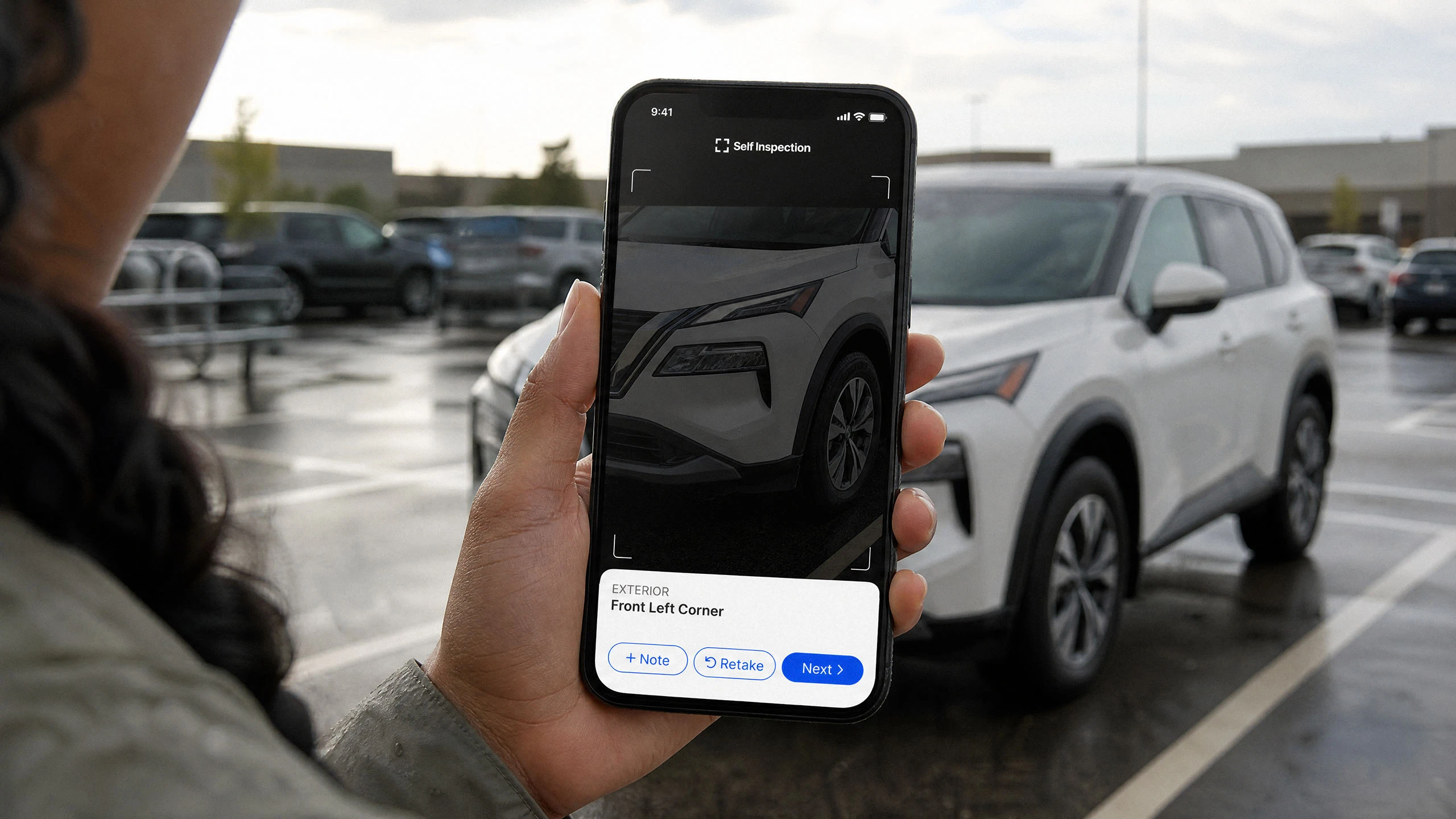
A high-touch lease needs a clear condition record at return.
Admiral Leasing - full-service vehicle lessor (U.S.)
Read case study
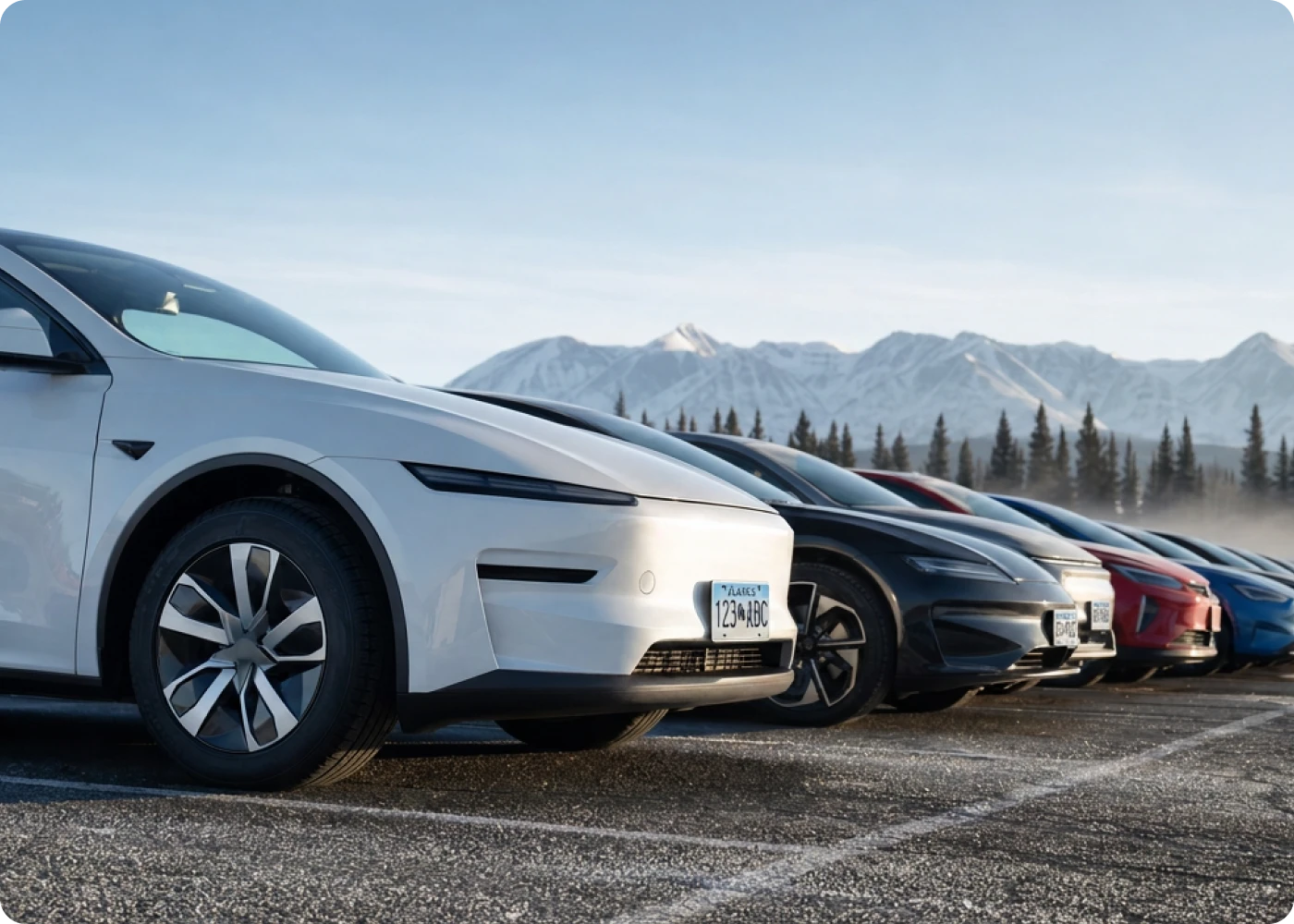
One state. Twelve counters. One condition standard.
Avis Alaska (Alaska Rent A Car, Inc.)
121,746Inspections delivered
Read case studyReady to get started?
Streamline lease returns, reduce disputes and accelerate remarketing readiness - all from one simple platform.