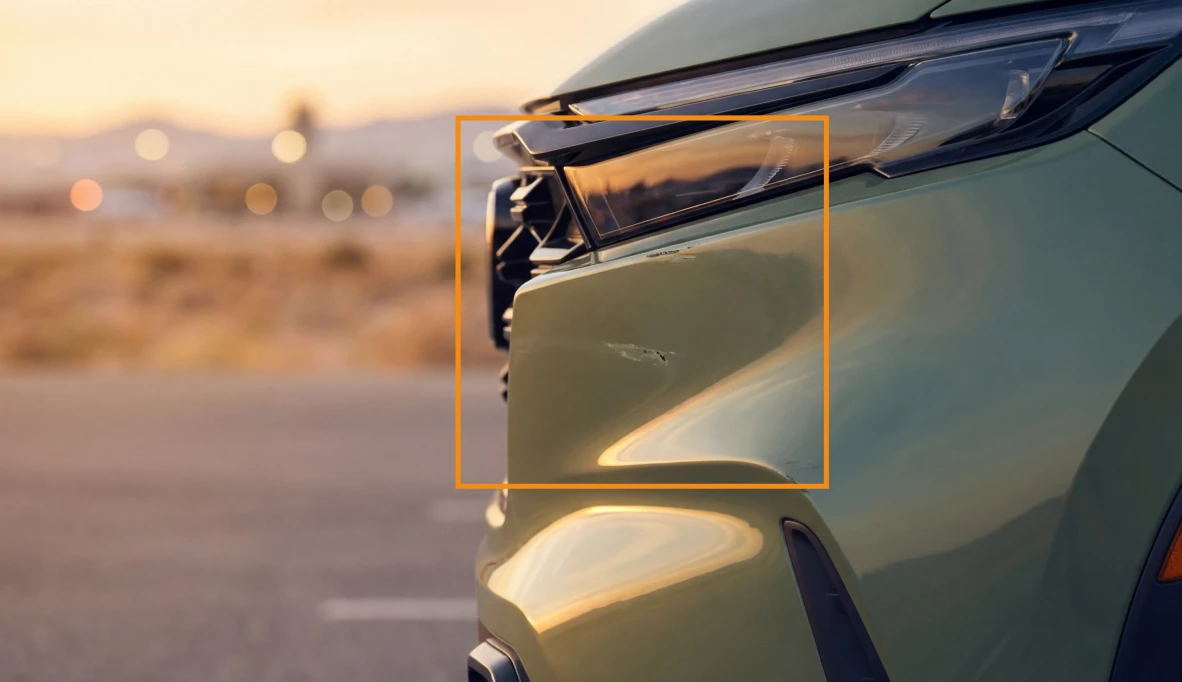
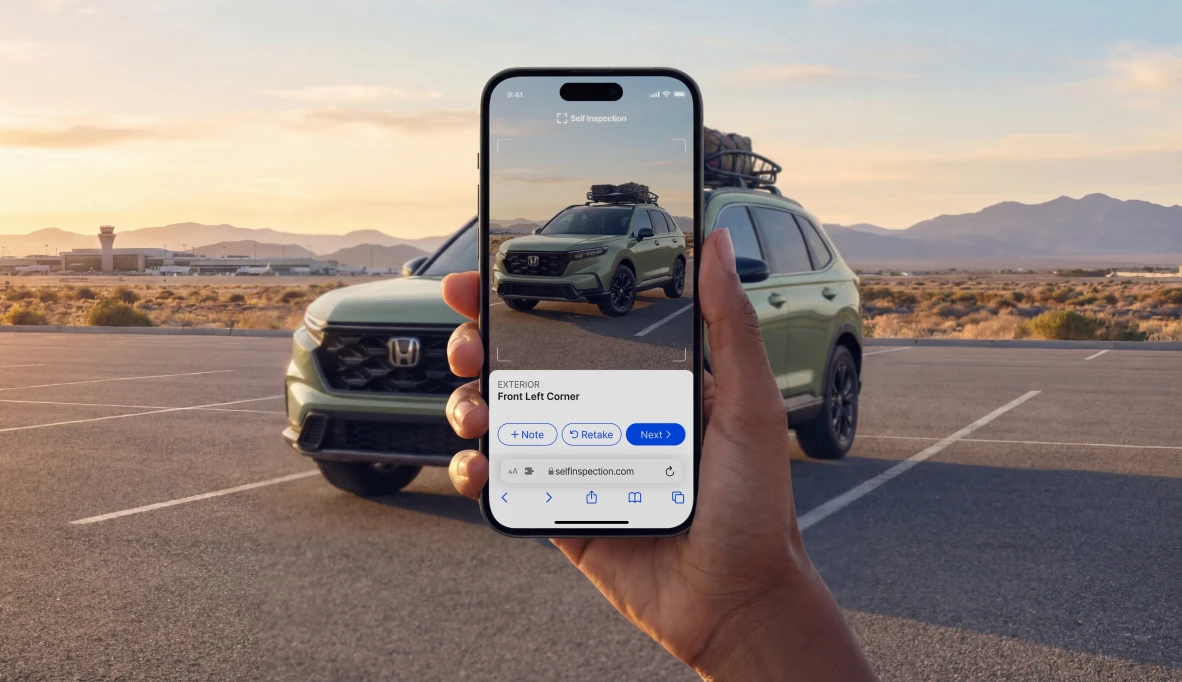



Lease-end could not depend on where a member lived.

- Inspections delivered
- 51,557
- Average inspection time, vs. 30–45 min manual
- 11 min 20 s
- Lease-end turnaround reduction
- ~50%
The inspections that solved a geography problem.
CULA needed one inspection process that could serve its national credit union network, reach members beyond a field inspector’s territory, and meet state requirements. In New York, Self Inspection provides compliant lease-end appraisals, with a New York-licensed motor vehicle damage appraiser responsible for each report.
A national lease program was tied to local field coverage
Credit Union Leasing of America (CULA) helps credit unions offer vehicle leasing and manages residual risk and end of term disposition. But its inspection process still depended on a field inspector reaching the member before the vehicle came back.
Scheduling became part of the problem
In person inspections were typically scheduled weeks before lease end. Members in remote or rural areas could face longer waits, missed appointments, or limited coverage. Each inspection also brought a field visit, manual write up, and quality control before the record was ready.
Consistency mattered after the inspection too
Condition calls can affect excess wear review, residual recovery, and the member experience. If the result changes with the inspector or geography, the next decision starts with a weaker record.
Move the inspection to the member
The goal was to remove the appointment and territory dependency without losing the structure needed for a lease end decision.
“The requirement: let members inspect from home. Give every member the same guided process. Return a consistent condition record CULA can use for the decisions that follow.”
One guided process for every member
1. Guide the member through the same process
Members complete a guided photo and video walkaround from a phone, without waiting for a field appointment. The same required views can be used across the network, regardless of where the member lives.
2. Create one consistent condition record
AI assisted analysis helps identify and organize damage findings, but the important output is a standardized condition report tied to the vehicle and lease event. The technology supports the process. The record is what CULA uses.
3. Put the record back into the lease end workflow
The condition report can support excess wear and residual decisions inside CULA's existing process. It does not make the decision for the team. It gives that decision a more consistent record to review.

New York lease end cases follow a dedicated appraisal process
Self Inspection uses a dedicated report for New York lease-end excess-wear and damage appraisals. A New York-licensed motor vehicle damage appraiser oversees the appraisal.
Review the findings before the appraisal is released
After VIN verification and guided capture, the photos go through image-quality review. An expert checks the AI-assisted damage findings and repair-estimate details against those photos, with corrections made before the appraisal is finalized.
The report identifies the responsible appraiser and their license information, along with the appraisal date, VIN, report ID and lender or holder.
Give the member the report and dispute information
A notice at the beginning of the appraisal explains that damage for which an excess-wear or damage charge will be claimed must be listed. The disclosures explain the lessee’s right to obtain their own licensed appraisal and challenge findings through the applicable New York arbitration process.
The finalized appraisal is available electronically. In CULA’s workflow, a paper copy is also shipped to the lessee by FedEx the same day, with tracking and delivery information retained.
From pilot to the default lease end channel
The strongest proof is adoption over time: what began as a pilot became CULA's
default lease end inspection channel.
| When | Milestone | What changed |
|---|---|---|
| Dec 23, 2021 | Pilot launch | First live inspection completed on the platform. |
| 2022 | Validation | Workflow validated and integrated into CULA lease end operations. |
| 2023 | Rollout | Expanded across the partner credit union network. |
| 2024 | Mainstream | Adoption increased across the network. |
| 2025 | Default channel | Program became CULA's default lease end inspection channel. |
| Jun 8, 2026 | 51,557 total | Program reached 51,557 inspections, with a 2026 YTD run rate of roughly 67 per day. |
What changed
CULA reduced its dependence on field inspector availability and built one inspection process that members could complete across its national network.
From December 23, 2021 through June 8, 2026, the program completed 51,557 inspections at an average of 11 minutes 20 seconds. CULA publicly reported an approximately 50% reduction in lease end turnaround. The program also estimates more than 19,000 cumulative inspector field hours saved against its manual benchmark.
Those numbers connect directly to the original problem. CULA no longer had to scale inspection capacity only by dispatching more field inspectors. Members could start the inspection themselves, while CULA still received a consistent condition record for the next decision.
The inspection stopped being a dispatch problem.
For CULA, the bigger win is not simply a shorter inspection. It is a lease end process that can reach members across a national network and still produce consistent condition information for what happens next.
~50% lease-end turnaround reduction is customer reported. ~19,000+ hours is an estimated time saving, based on a manual inspection benchmark.
More case studies
All case studies
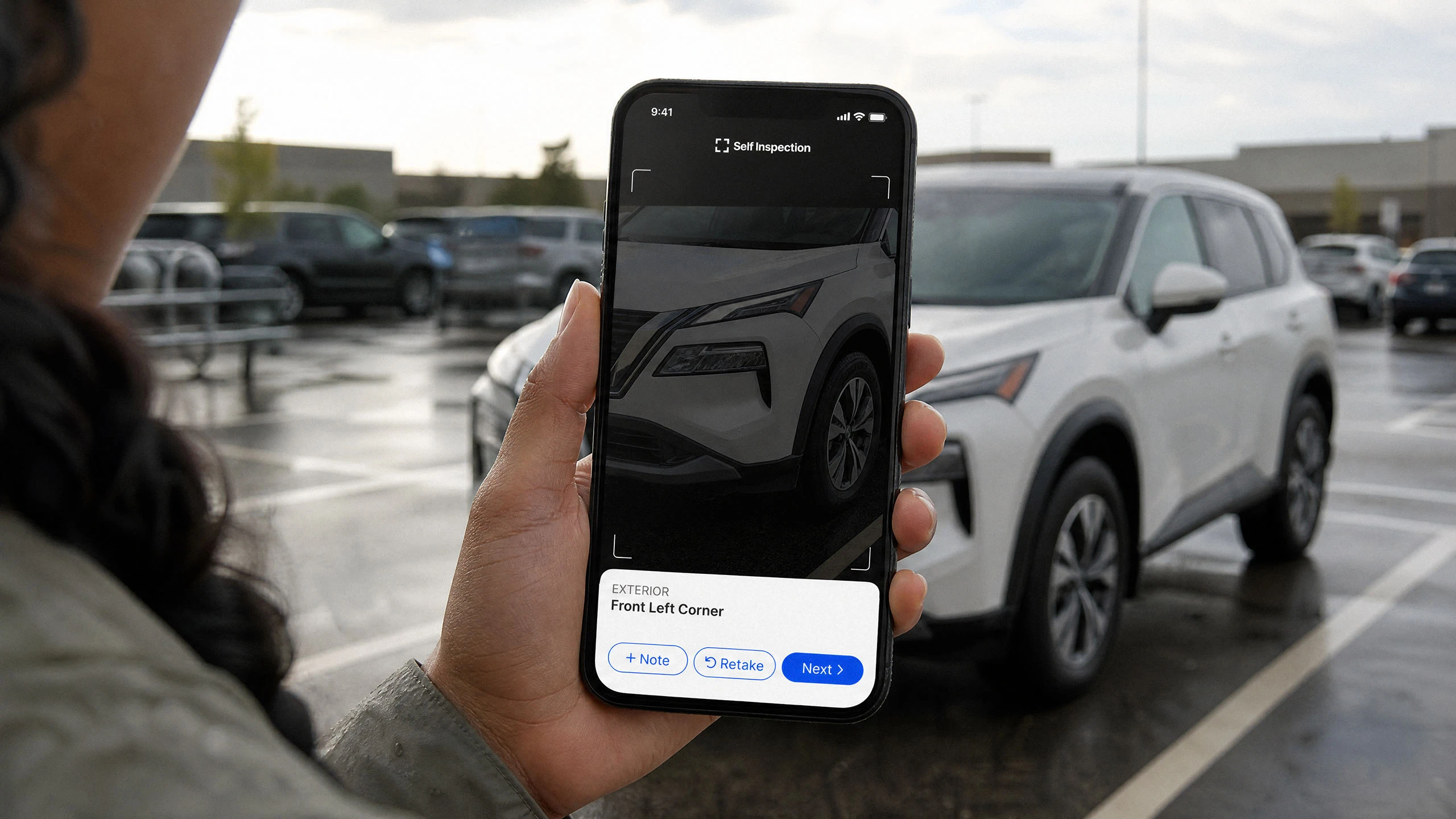
A high-touch lease needs a clear condition record at return.
Admiral Leasing - full-service vehicle lessor (U.S.)
Read case study

One state. Twelve counters. One condition standard.
Avis Alaska (Alaska Rent A Car, Inc.)
121,746Inspections delivered
Read case study
The last manual step in a digital operation.
Auto360 Limited - UK commercial vehicle rental & repair
802Inspections delivered
Read case studyReady to get started?
Streamline lease returns, reduce disputes and accelerate remarketing readiness - all from one simple platform.