

AI vehicle inspection software for auto dealers
Speed up trade-in appraisals, catch reconditioning surprises before you commit, and protect margin on every used vehicle deal.






Workflow built for the dealer floor
What it looks like from the rep's side, from the moment the customer says they have a trade.
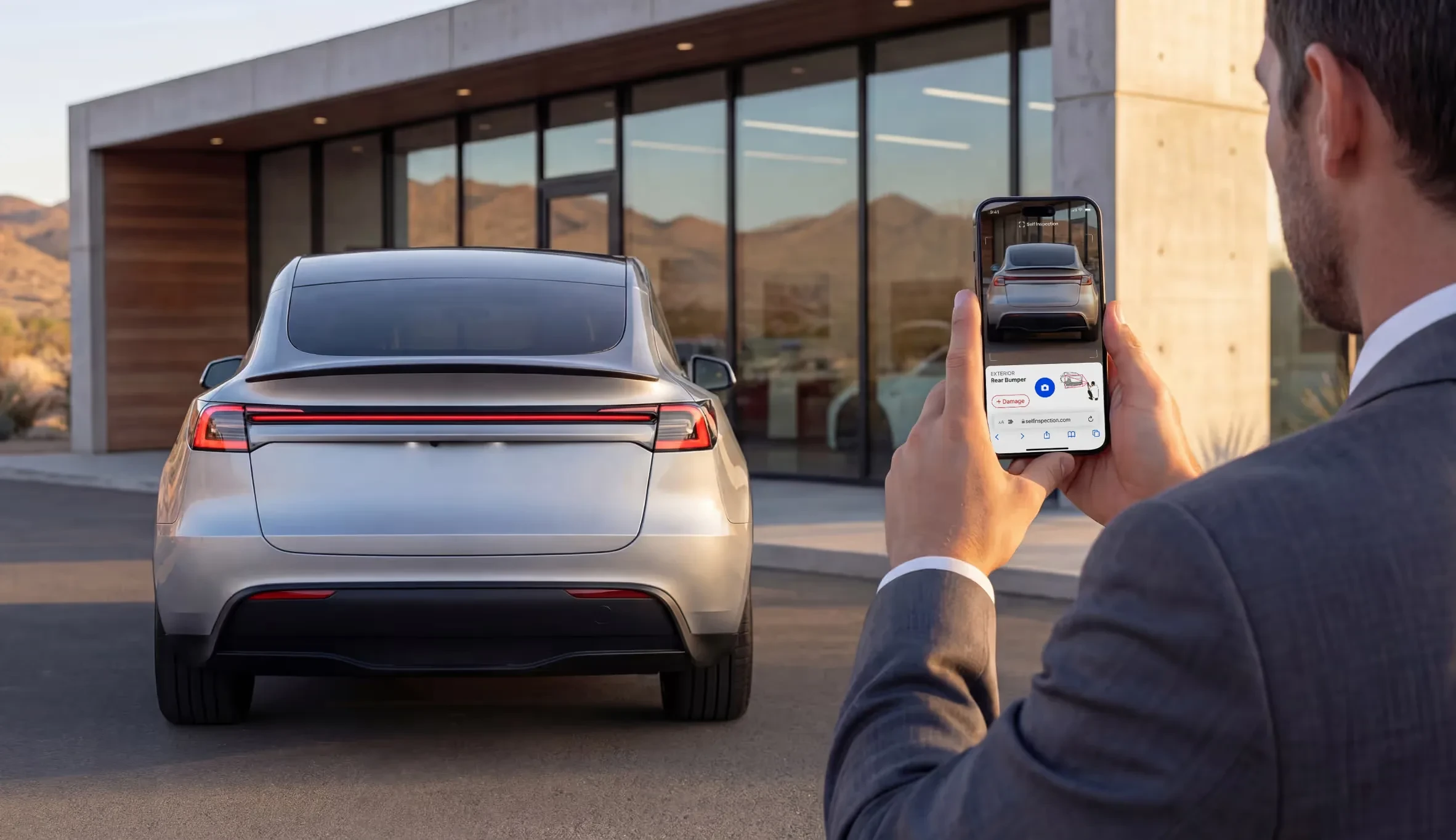
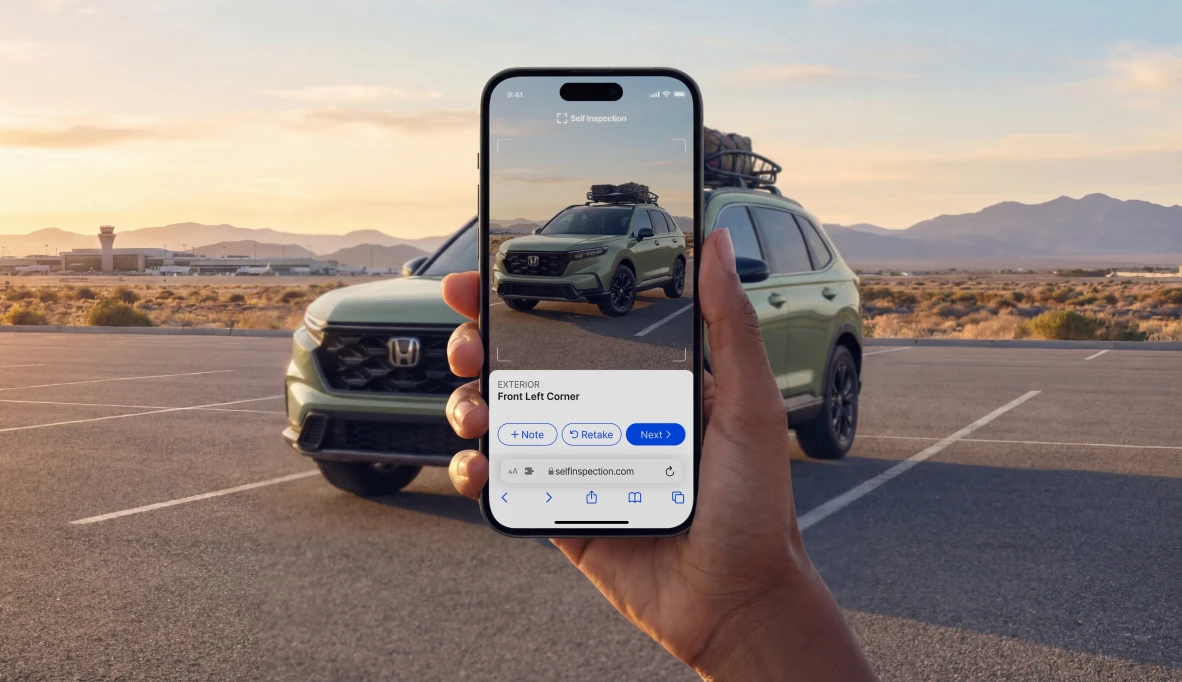
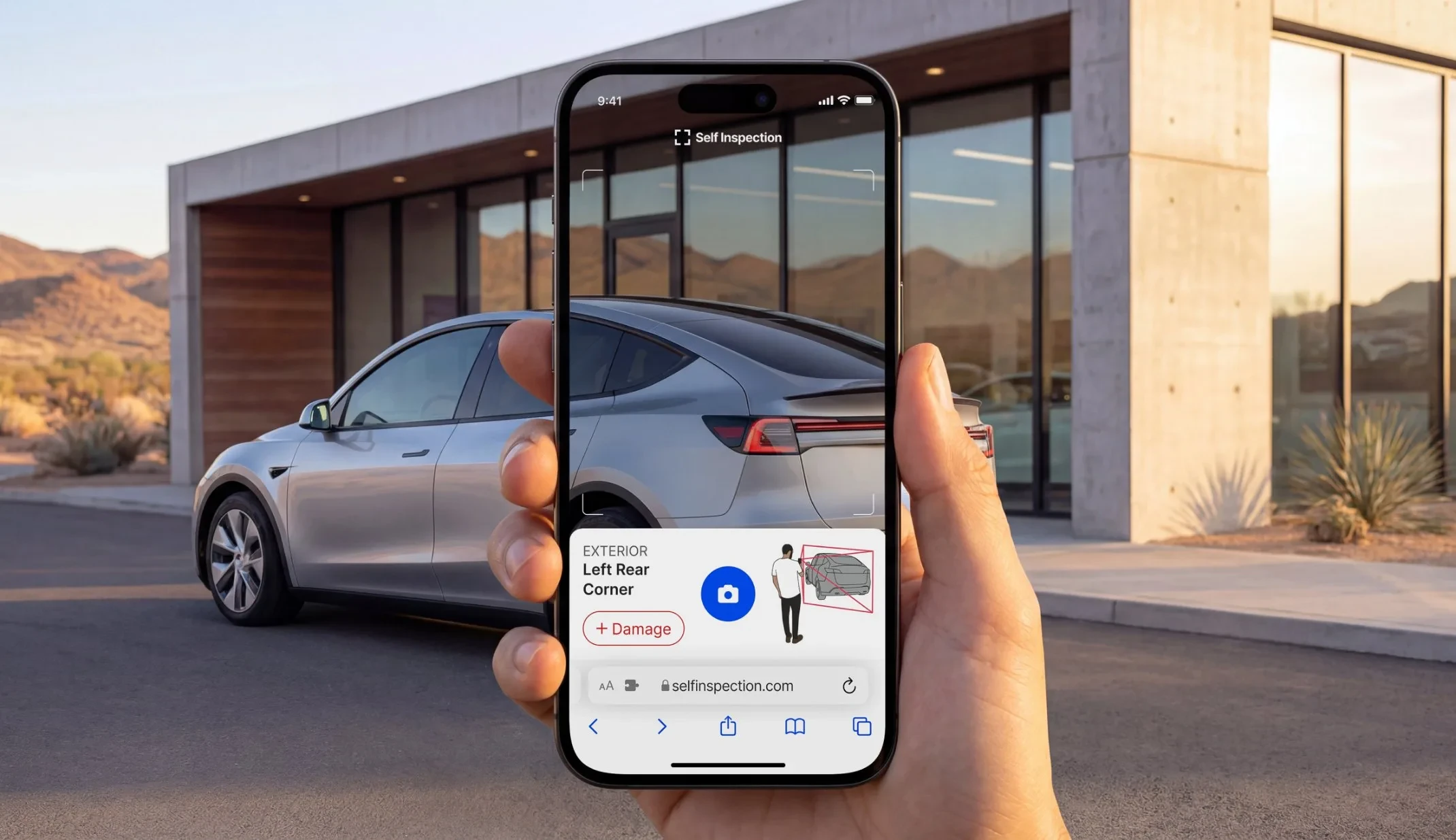
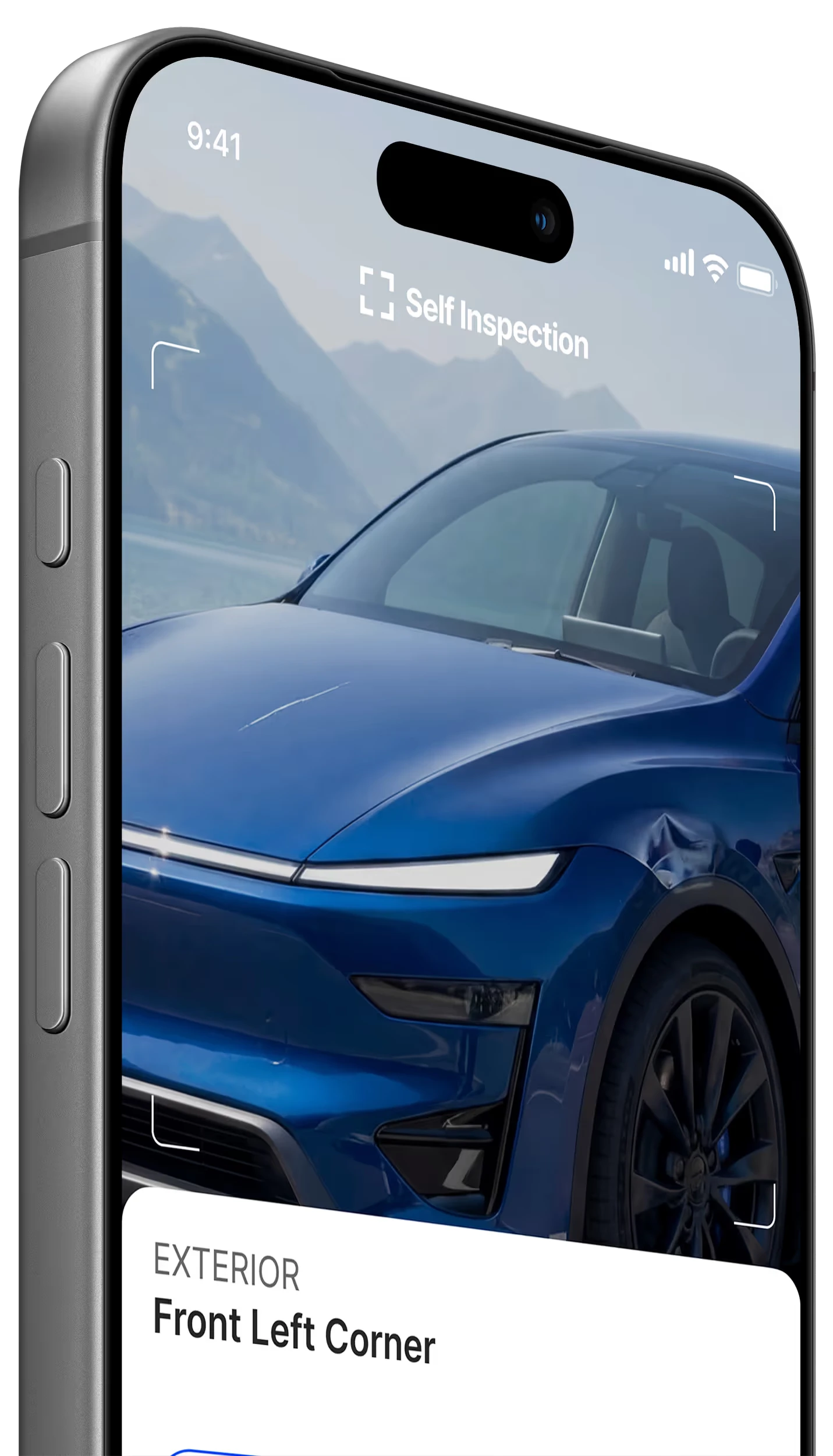
The rep texts the inspection link to the customer, or opens it on a store phone to inspect the car in the lot. No app install and no account on either side.
Features built around the trade-in lane
One capture flow, one detection model, and the reporting the desk and the shop already work from - configured for how a dealership actually moves used cars.
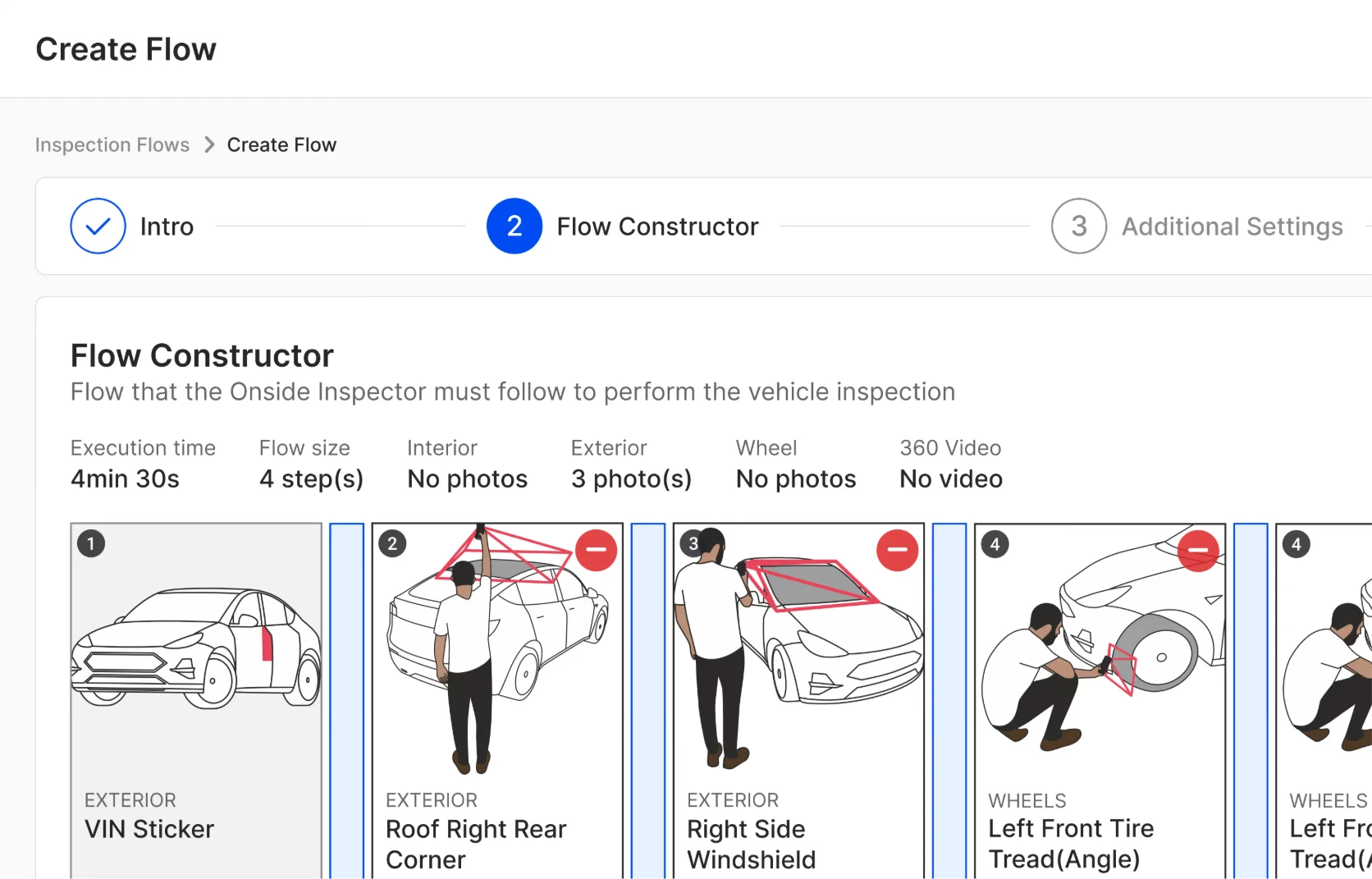
Custom mobile inspection flows
Modernize dealership workflows with mobile inspections from any phone. Create tailored inspection flows for appraisals, service walk-arounds, and recon so your entire operation runs in a single, consistent system.
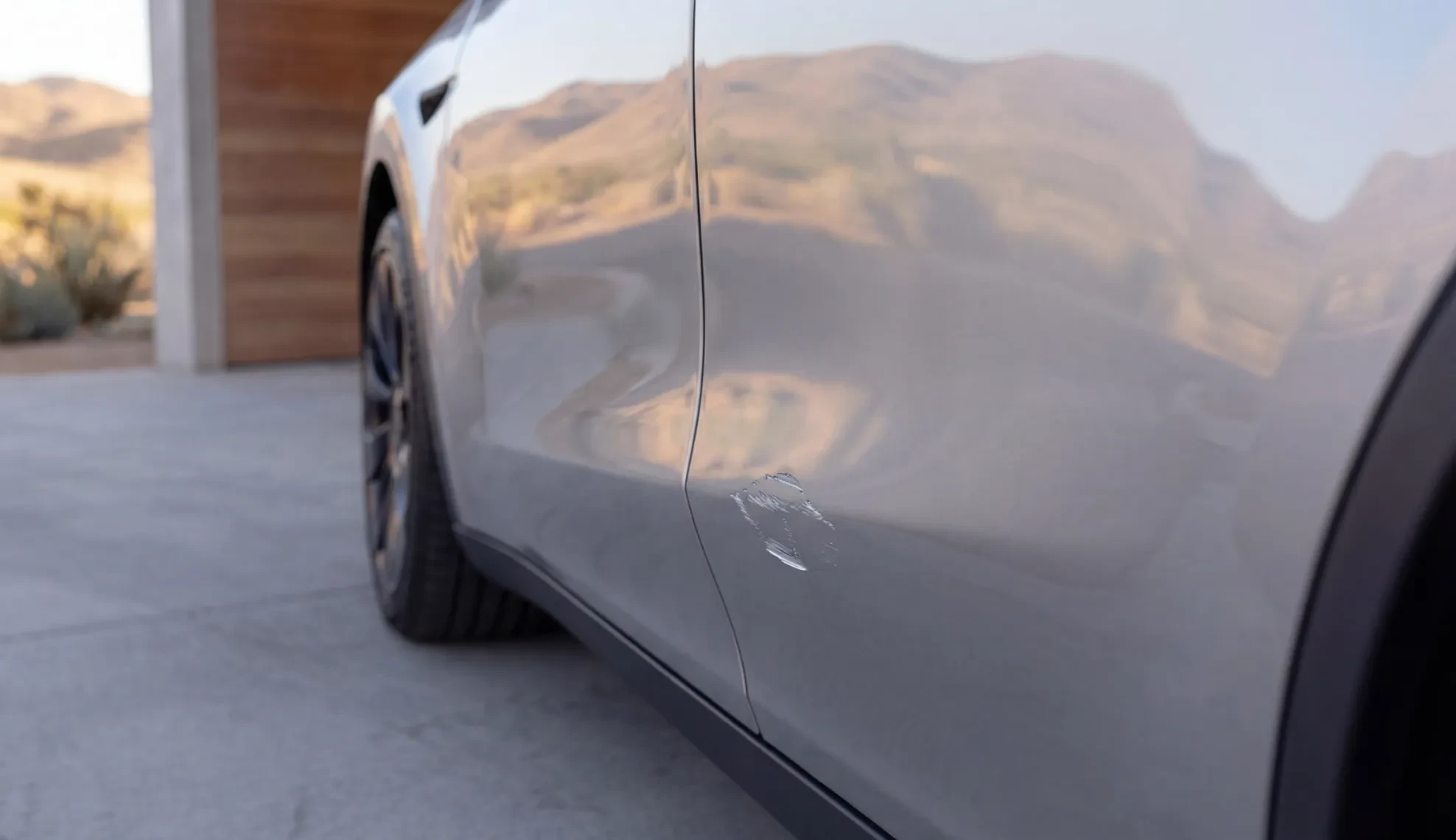
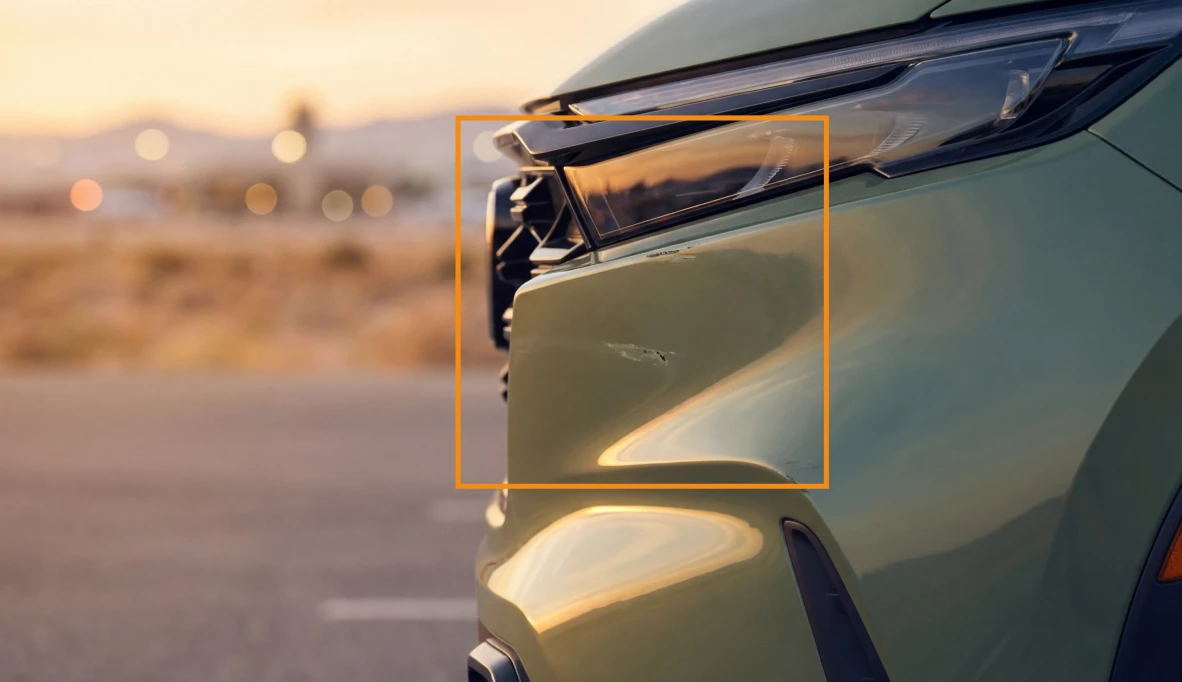
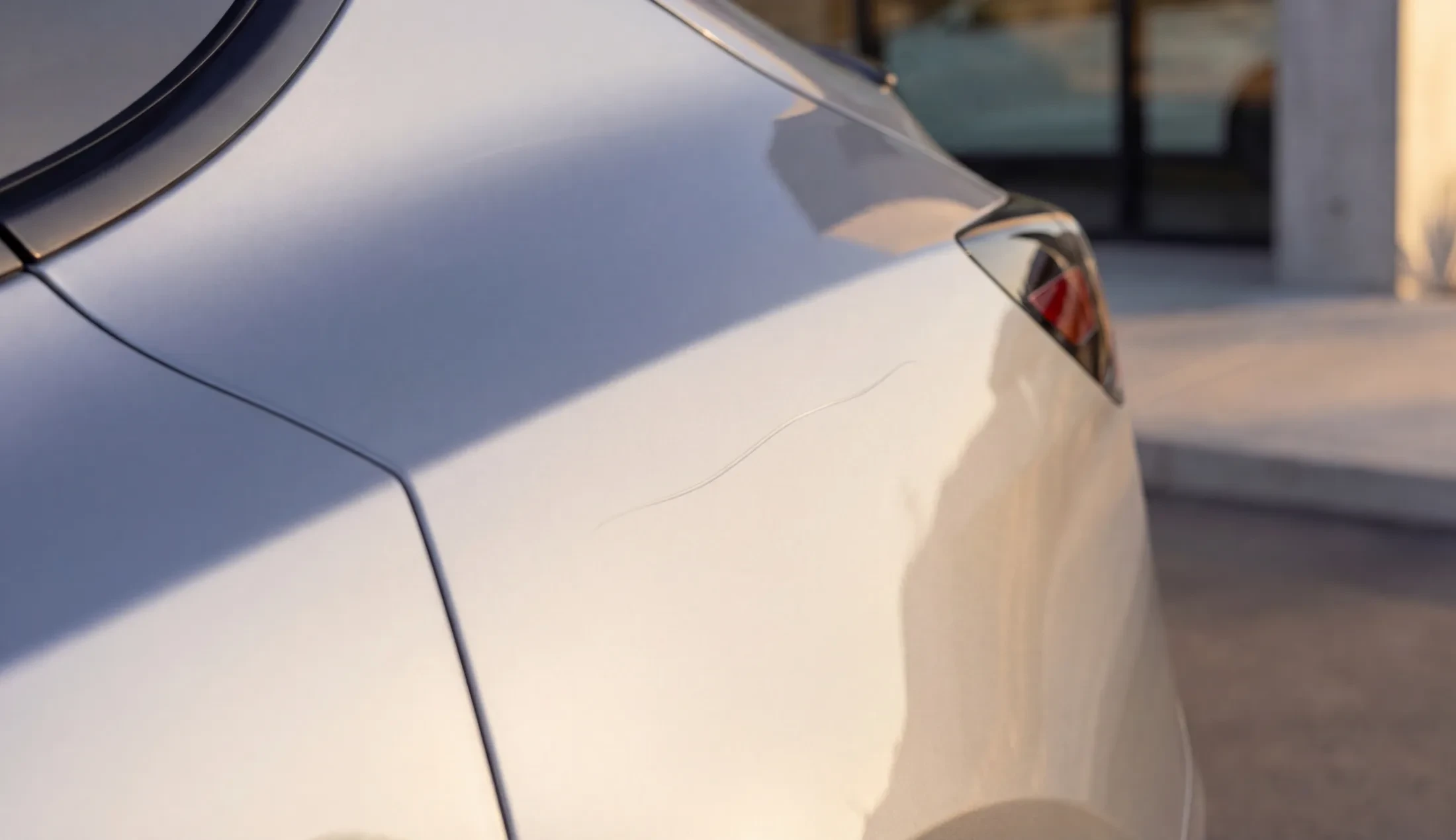
Damage detection and manual damage selection
AI models automatically identify exterior and interior damage and provide repair cost estimates. Your team can manually adjust damages as needed or apply automated normal wear rules.
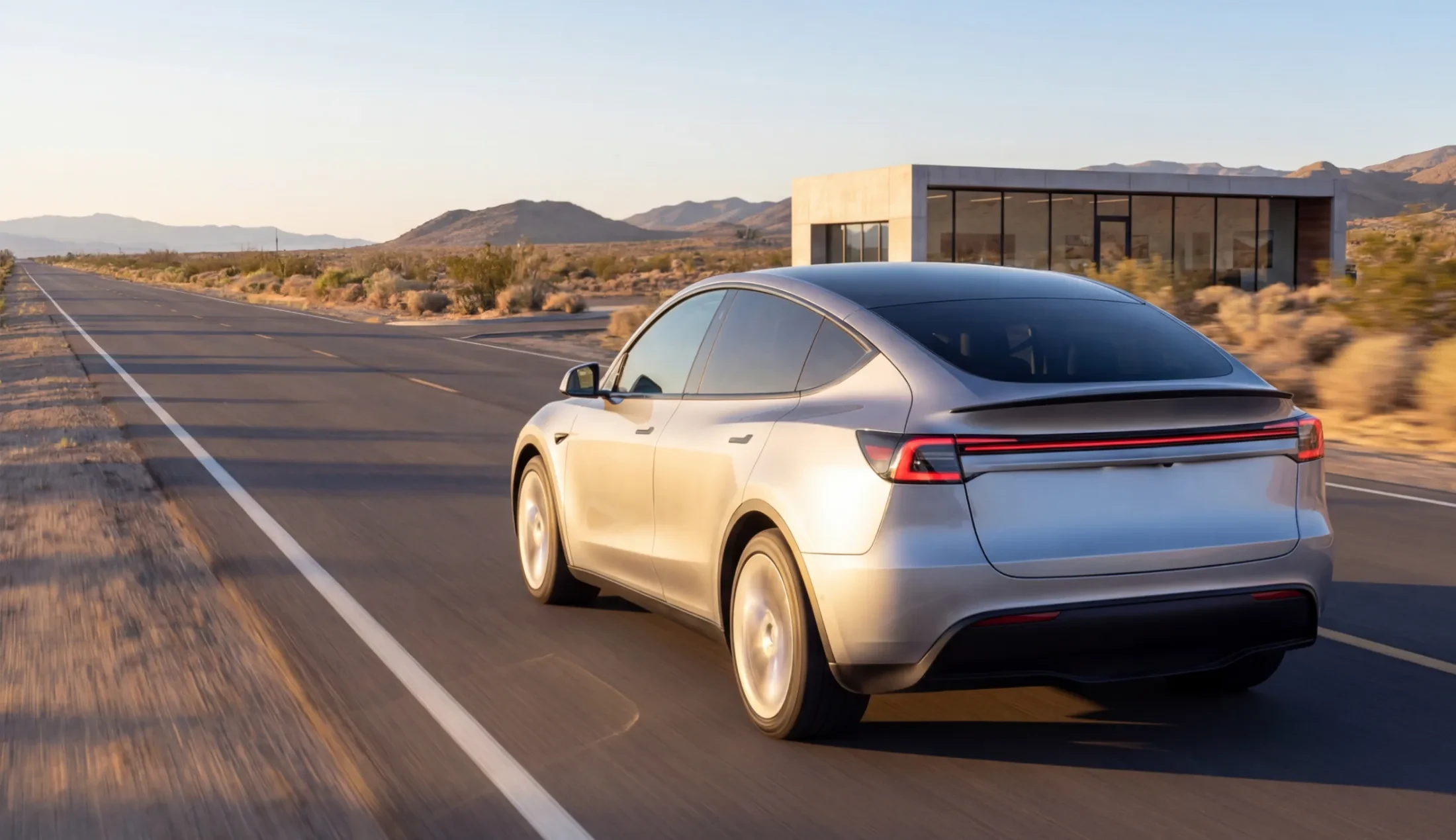
Photo and video-based estimates for repair
Convert damage into real repair costs to accurately price trade-ins, shorten the sales cycle and cut down on loaner and service-drive damage disputes.
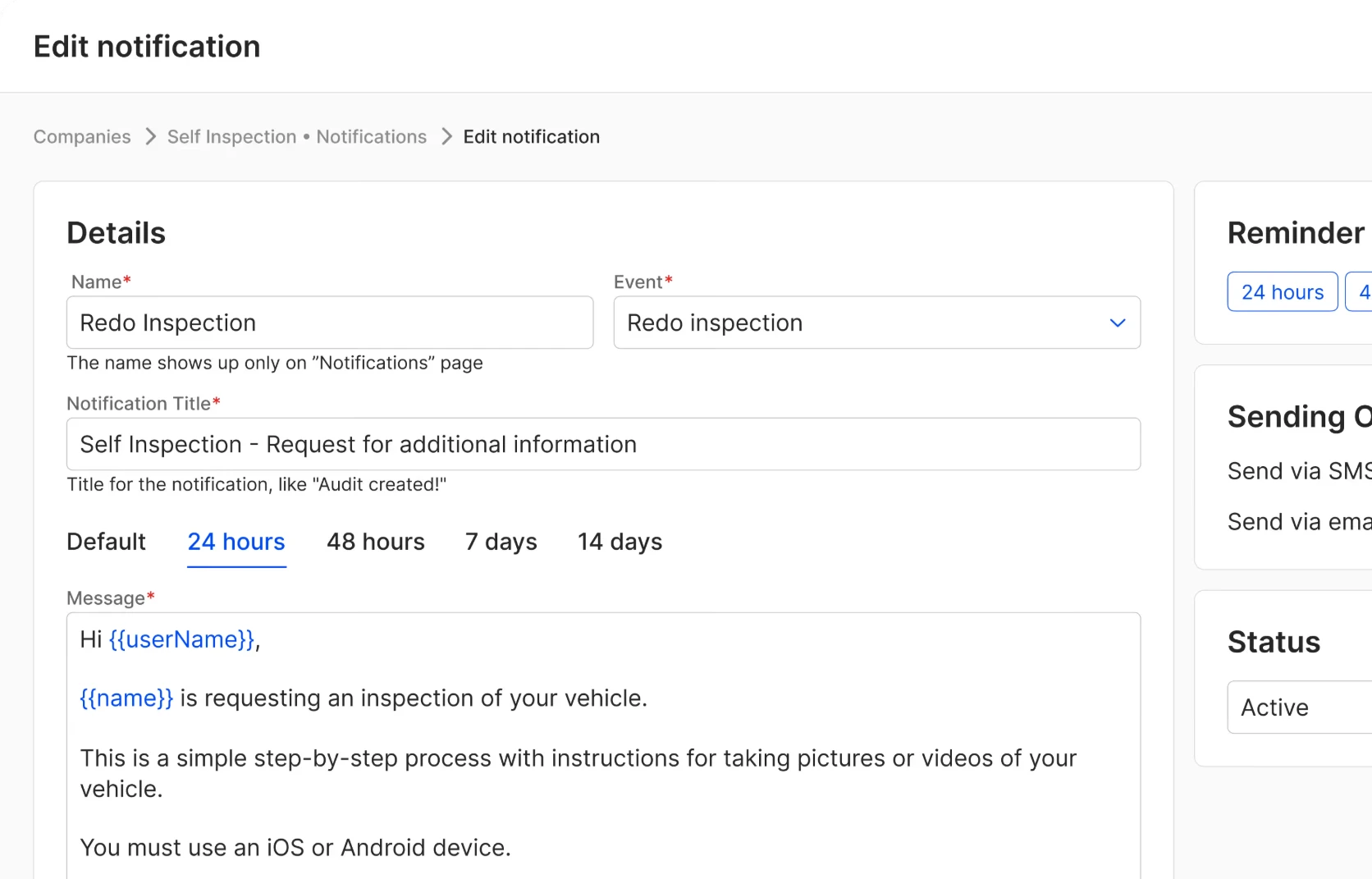
Automated notifications and alerts
Send mobile inspection links to shoppers, service customers and loaner drivers. Get real-time notifications for new inspections, or outstanding approvals to keep deals and repairs moving.
Auditability and history
Built-in control, accountability and proof. Every inspection, claim and status change is timestamped against the VIN and the person who made it.
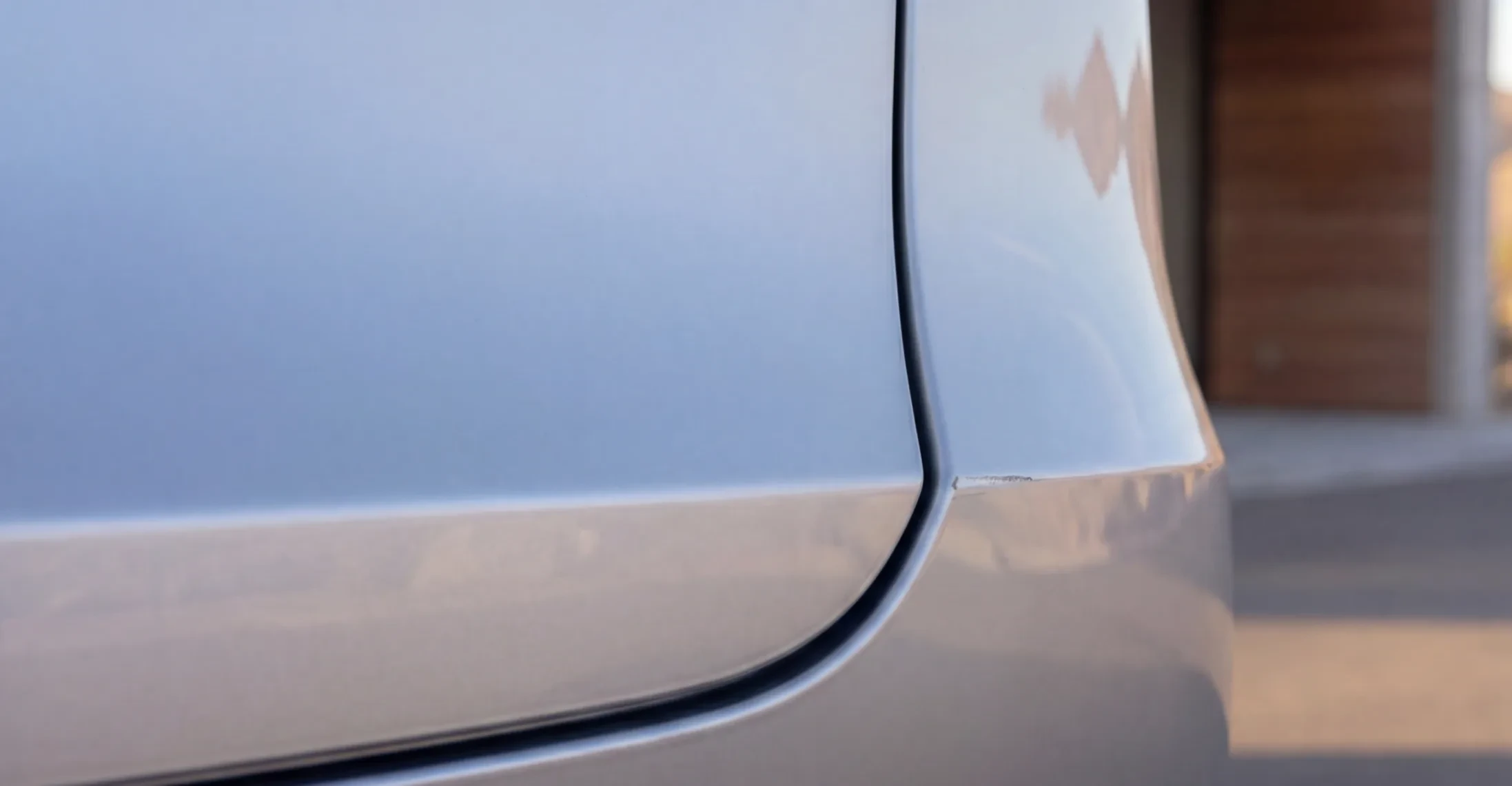
Claims and incident management
Flag damage, create claims and attach proof - all in one workflow for faster, fairer resolutions.
What changes on the used car side
Appraisals move at the speed of the conversation, recon starts from evidence instead of memory, and every wholesale unit leaves with a condition record that holds up in arbitration.

The rep texts an inspection link to the customer while the desk works the numbers. The customer walks their own car following guided prompts, the AI grades what it finds, a reviewer verifies it, and the condition report lands before the pencil comes back. The report is dated and photo-evidenced, so the number you offered has a record behind it.

100%
Of findings checked by a certified expert before the report is released
<5 min
Of rep attention per appraisal, down from a 30–45 minute walkaround
<60 days
Typical payback on recon savings alone, at 50 or more trades a month
The reconditioning workflow
Appraisal speed is the first reason dealers buy. Recon control is the reason they expand it to every store.
What dealers actually save
Measured per car. These are the four numbers dealers bring back after the first full month.
The damage nobody wrote down before the deal was desked averages around $400 a unit. With an evidenced condition baseline at appraisal, dealers typically bring that down to about $80 - roughly an 80% reduction in surprises.
A manual walkaround appraisal takes 30–45 minutes of somebody's day. The guided capture runs in parallel with the deal and takes the rep under 5 minutes of attention, which is time the sales team spends selling.
Wholesale arbitration claims fall by roughly 60% when condition is documented at outbound. The claims that remain are resolvable against photographs instead of recollections.
At 50 or more trades a month, the typical dealer reaches payback inside 60 days on recon savings alone, before any credit for appraisal speed or arbitration.
Dealer use cases
Three places a used vehicle gets looked at between the curb and the front line. Each one currently depends on somebody's judgment, and each one leaves a bill behind when that judgment is off.

A standardized condition baseline before recon work begins gives the shop a written scope and a way to measure what the work actually cost against what it was supposed to. Units that consistently blow their estimate become a sourcing question rather than an accounting mystery.


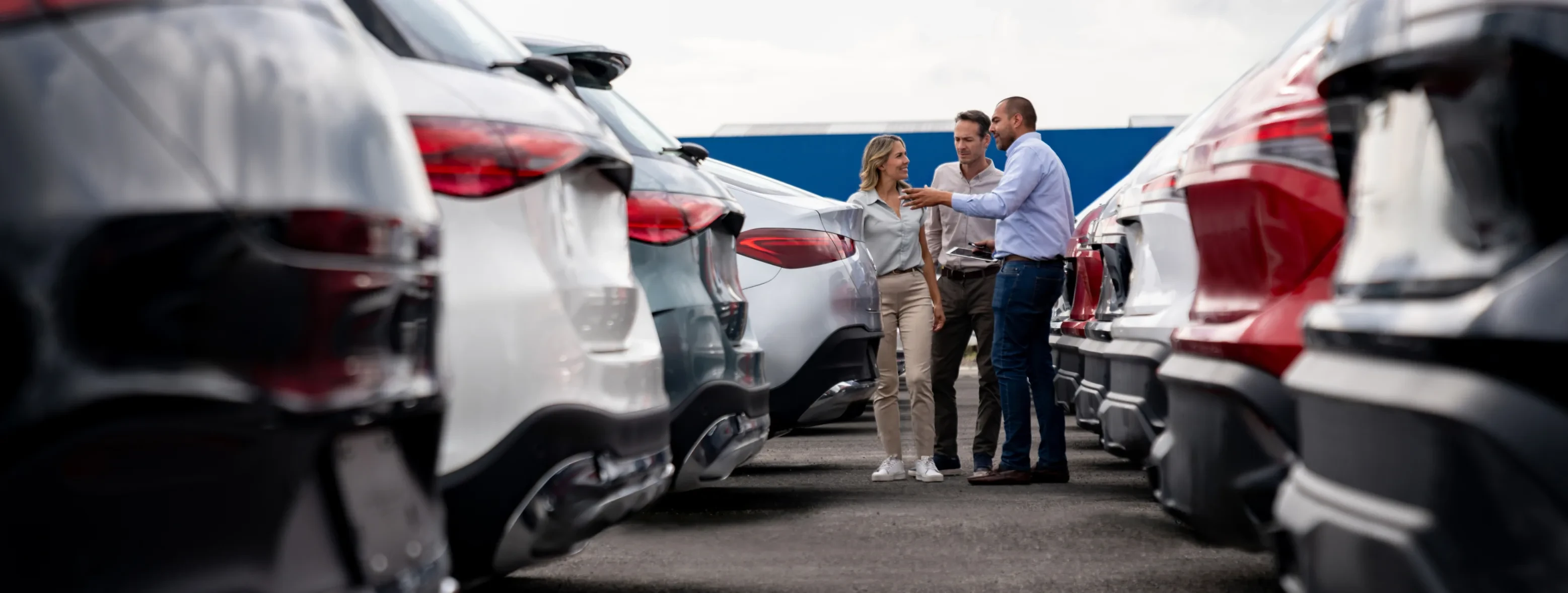

“They needed a faster, standardized smartphone capture workflow that could run uniformly at every counter - while keeping damage assessment and repair-cost estimation as an internal task.”


“AI-driven Self Inspection cut their lease-end turnaround times by ~50%, with self-inspections completed in approximately 10 minutes via smartphone.”


“They turned on every Self Inspection capability - visual capture, AI damage detection, and outsourced repair-cost estimation - on day one.”
See it on your own vehicles
No credit card. No lengthy onboarding. See it in action in 20 minutes.
FAQ
Sales reps text an inspection link to the trade-in customer, who completes a guided photo capture in 90 seconds. The AI detects damage, an expert verifies the findings, and a condition report with CR Score and cost estimates is delivered within minutes. Appraisal happens in parallel with the desk doing numbers - no detailing required first, no sales rep walking around with a clipboard.
Yes. Pre-built integrations are available for major DMS platforms including Reynolds and Reynolds, CDK, Dealertrack, and Auto/Mate. The integration handles VIN auto-population, customer record sync, and reconditioning cost tracking. Custom DMS integrations are available on Enterprise plans for less common platforms.
A manual inspection takes 30–45 minutes per vehicle and depends on the inspector's experience for accuracy. Self Inspection takes within minutes and is consistent regardless of who does the capture. Most dealers see reconditioning misses drop from around $400 per unit to about $80 per unit - about an 80% reduction in costly surprises.
Yes. The condition report is photo-evidenced, dated, and auditable, which makes it suitable as part of CPO certification documentation. The CR Score gives a standardized condition baseline that is designed to support OEM CPO documentation requirements. Specific OEM compliance varies - book a demo to confirm fit with your CPO program.
Pricing scales with monthly inspection volume. Most dealers running 100+ trades per month land in the Volume tier, with per-inspection rates well below the cost of even a brief manual walkaround. Use the ROI calculator to estimate your specific savings, or book a demo for a custom quote.
Yes. Many dealers send the inspection link directly to the trade-in customer and let them complete the capture from their own car at home. The guided capture is designed to work for non-experts, and the AI rejects bad photos and prompts re-capture, so customer-driven inspections are as accurate as rep-driven ones.
Yes. The platform handles new vehicle pre-delivery inspections, customer delivery walkthroughs (documenting condition at handover), and any other vehicle touchpoint in the dealership. Most dealers start with used vehicle workflows and expand to new car PDI over time.
Most dealers go live within 2 weeks of contract signing. The first week is integration and workflow configuration; the second is staff training and parallel running with the existing process. Volume rollouts to dealer groups typically take 4–6 weeks across multiple stores.