

Lease-end vehicle inspection for lenders
Standardize excess wear and tear assessments across your portfolio. Reduce dispute volume on every lease return. Recover legitimate end-of-term charges with photo evidence and expert verification.






The lease-end workflow, from notification to charge
Four steps across the last 60 days of the term. The second one is optional, and it is the one that changes the numbers most.
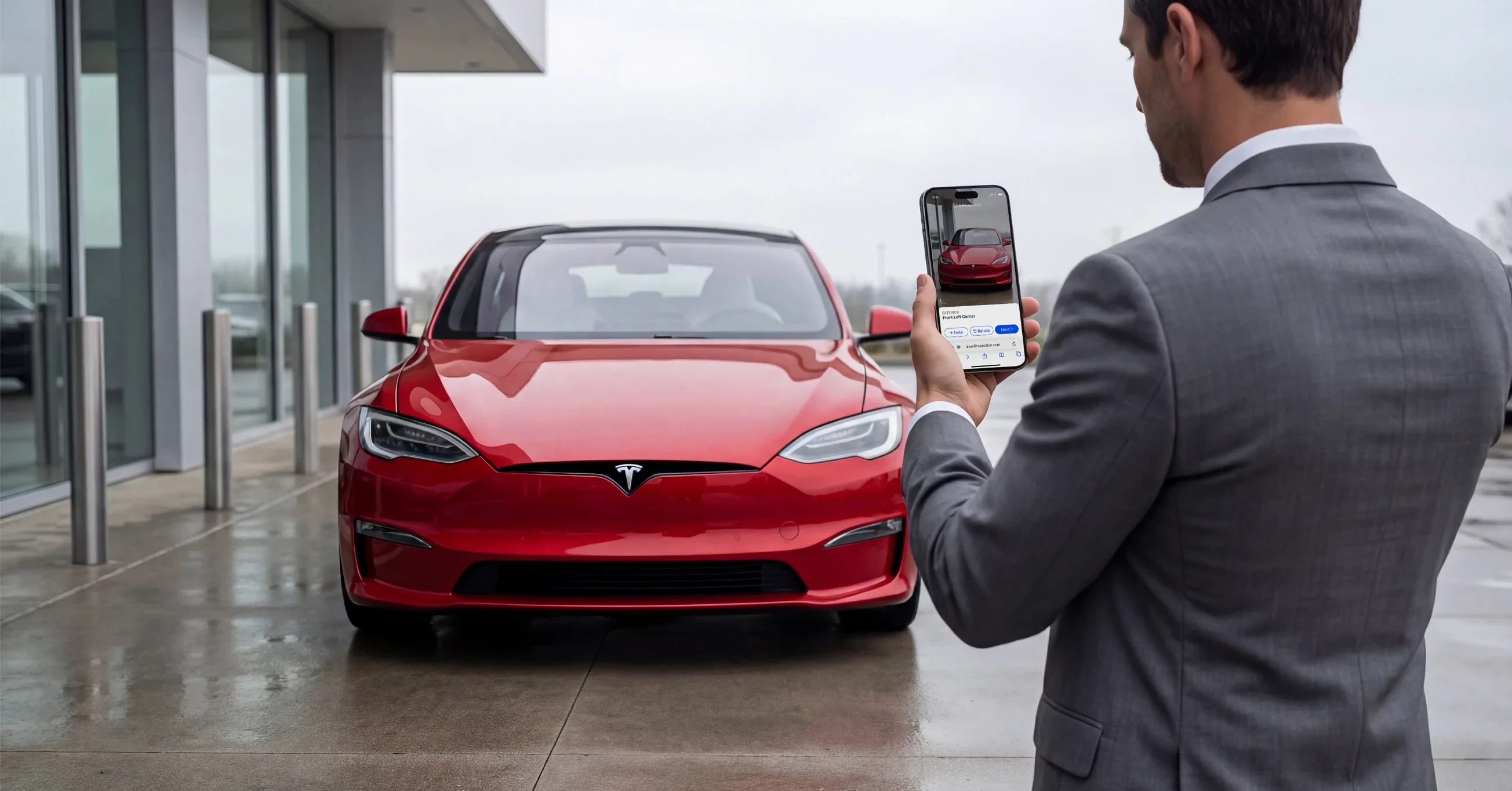
The lessee is notified of the approaching return and given an inspection link. Setting expectations two months early is what prevents the closing statement from being the first time anyone mentions wear charges.
Features built for lease-end programs
One capture flow, one detection model, and the lease records around them: portfolio, claims, contracts, and a history for every vehicle.
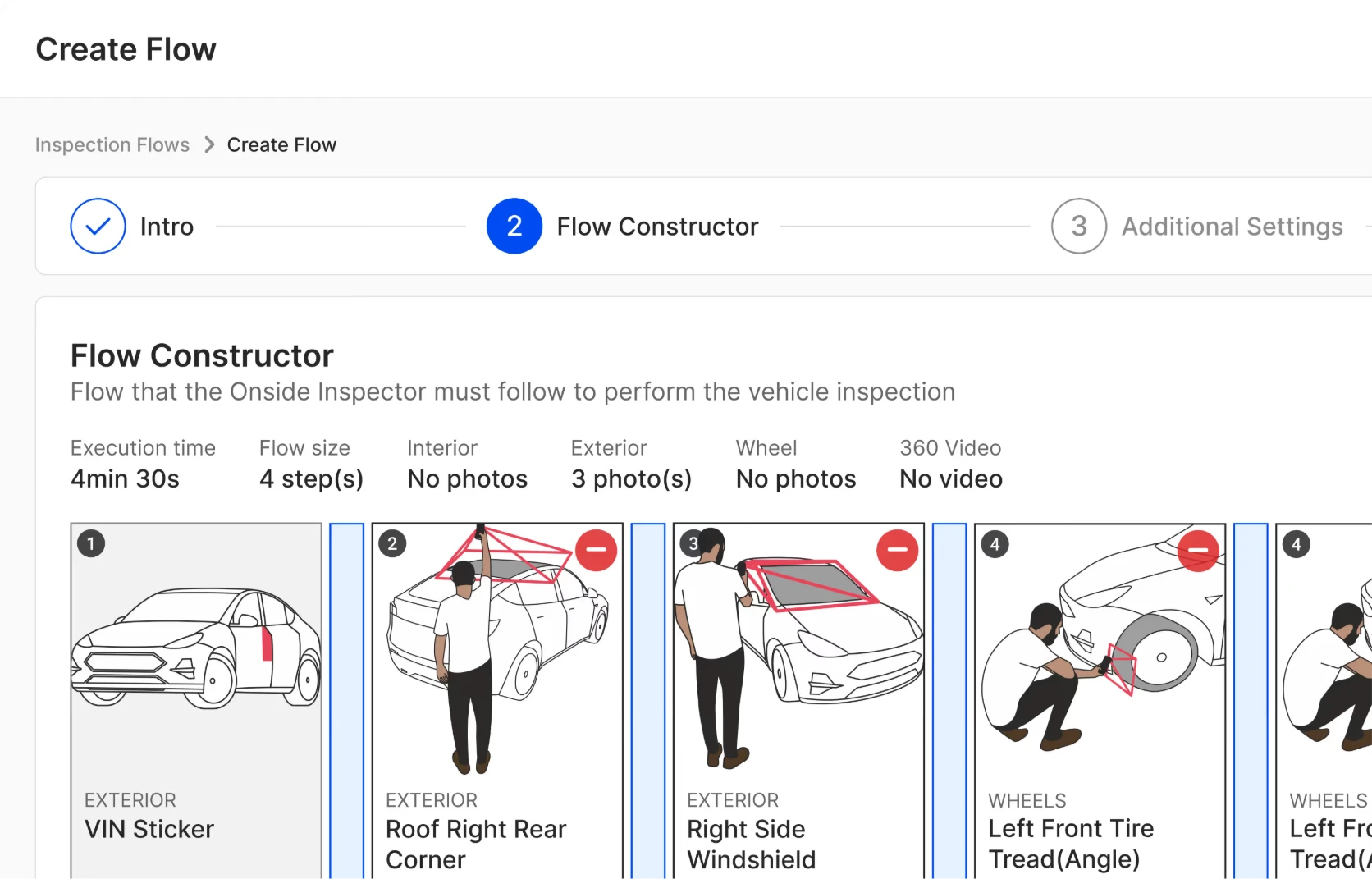
Custom mobile inspection flows
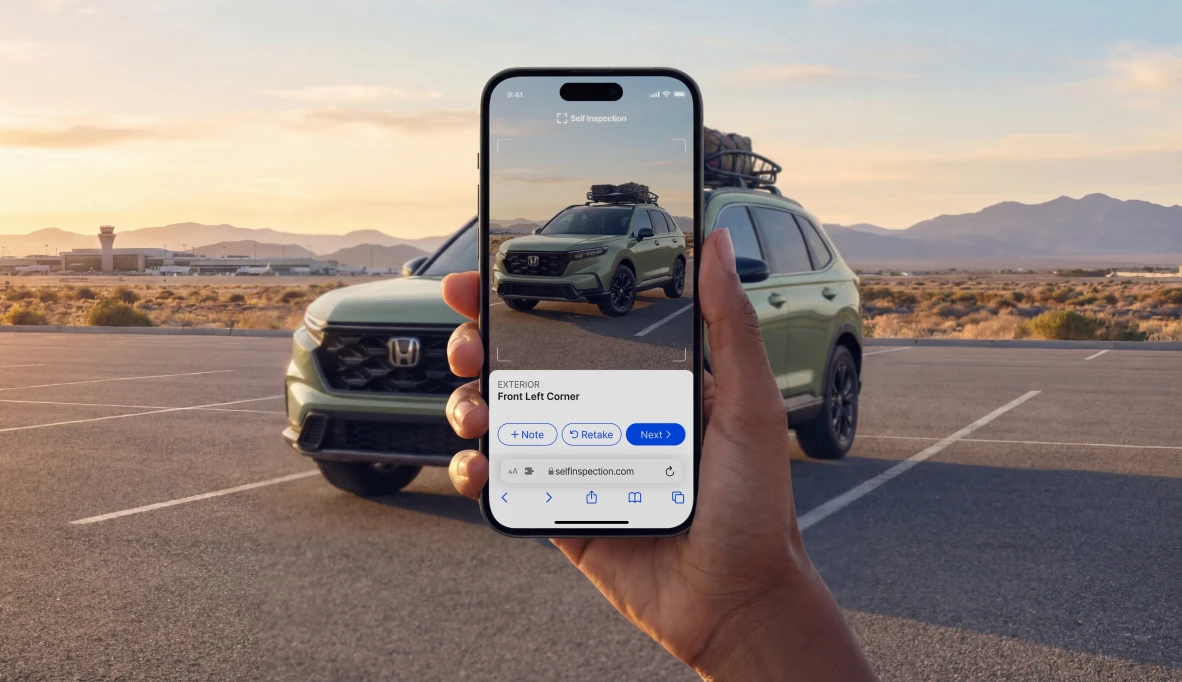
Enable lessees or agents to complete guided inspections from any device, with no app or scheduling required. Flows adapt to your lease rules, vehicle types, and NWT rules for consistent, compliant reporting at scale.
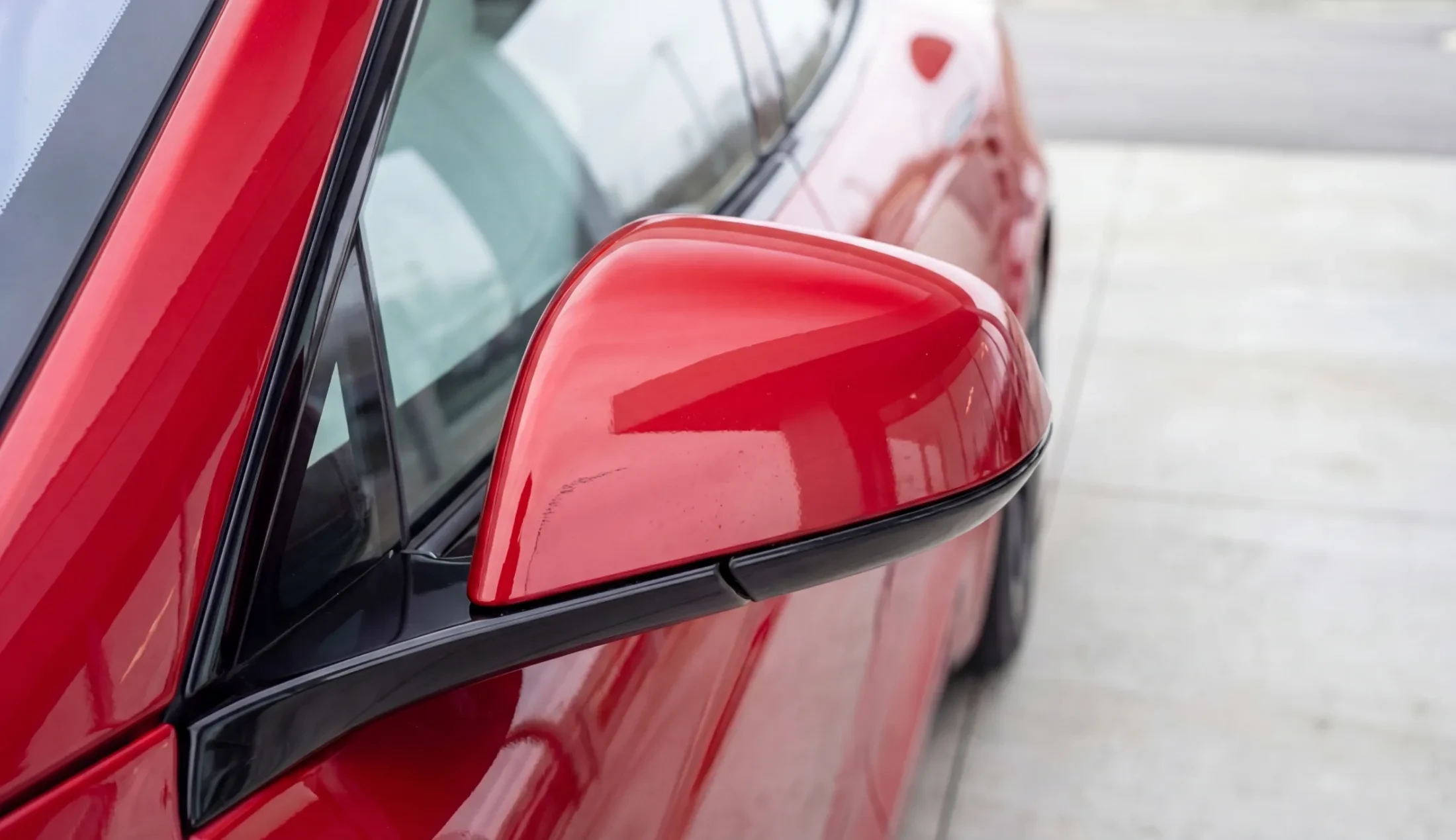
AI damage detection with expert review
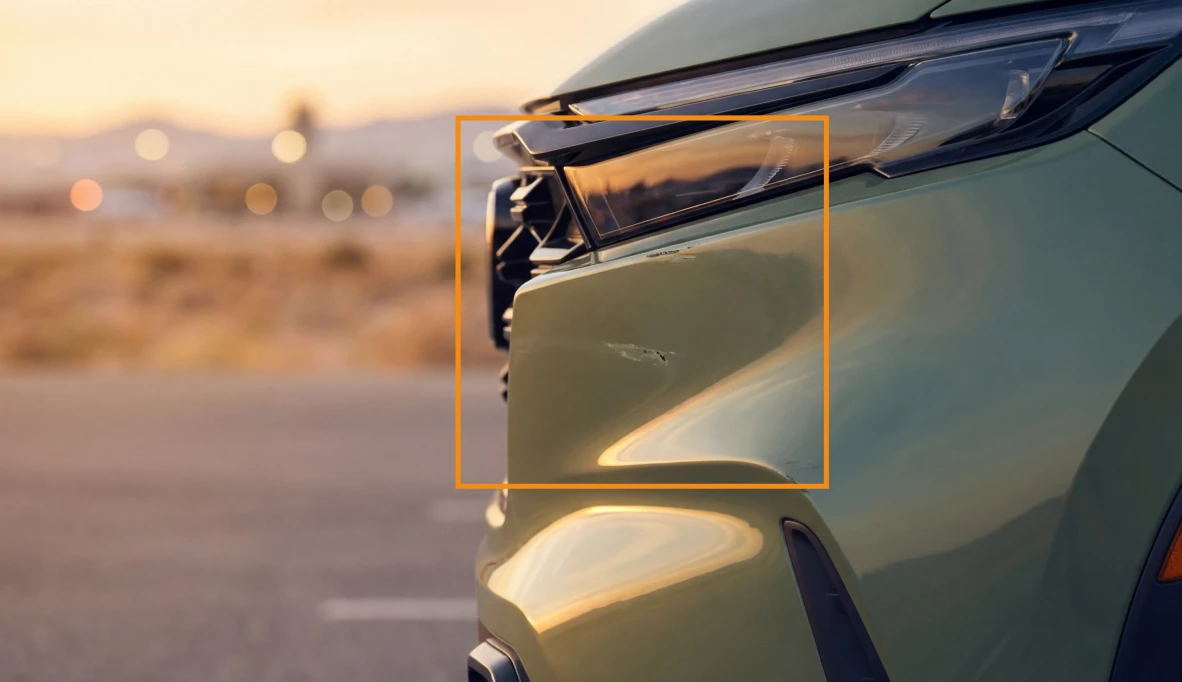
AI models identify exterior and interior wear, pinpointing every scratch, dent, or missing component. Certified inspectors review and verify each report, ensuring transparent assessments across your entire lease portfolio.

Photo and video-based estimates for repair
AI calculates repair costs for any detected damage, using predefined pricing rules and thresholds. Lenders see true cost impact upfront, enabling faster billing, accurate settlements, more lease renewals, and better resale planning.
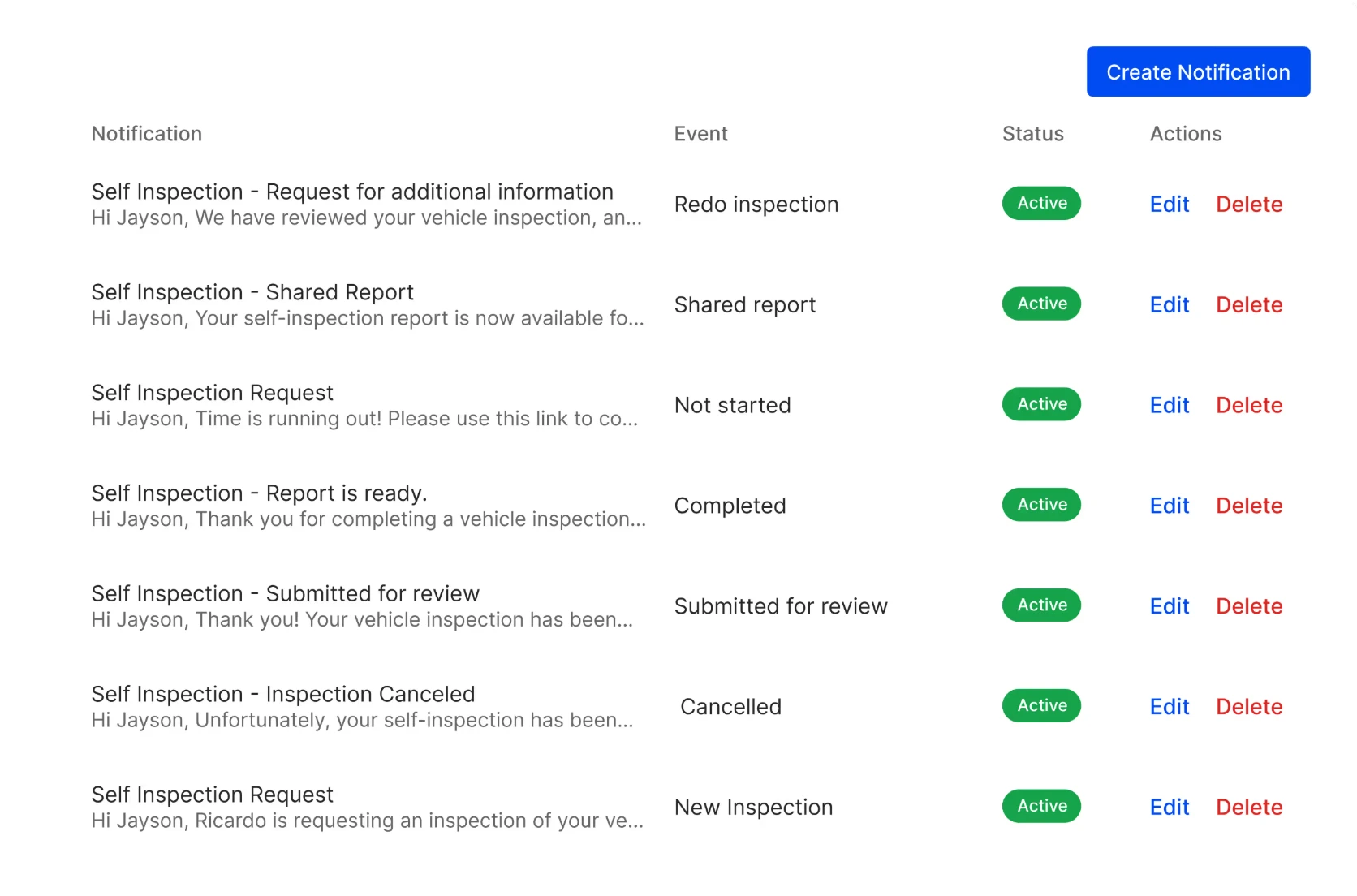
Automated inspection alerts
Send lessees timely reminders, while your team receives instant updates on missed inspections, new damage, or flagged cases.
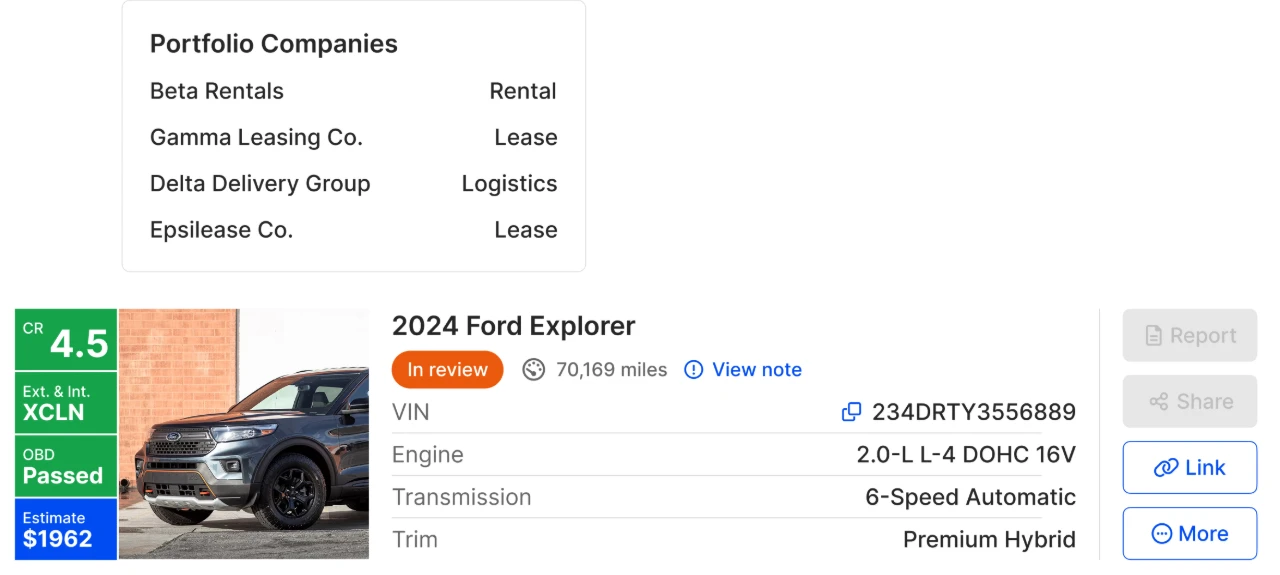
Portfolio management
Monitor inspection progress and vehicle condition across all partners in one dashboard for real-time portfolio control.
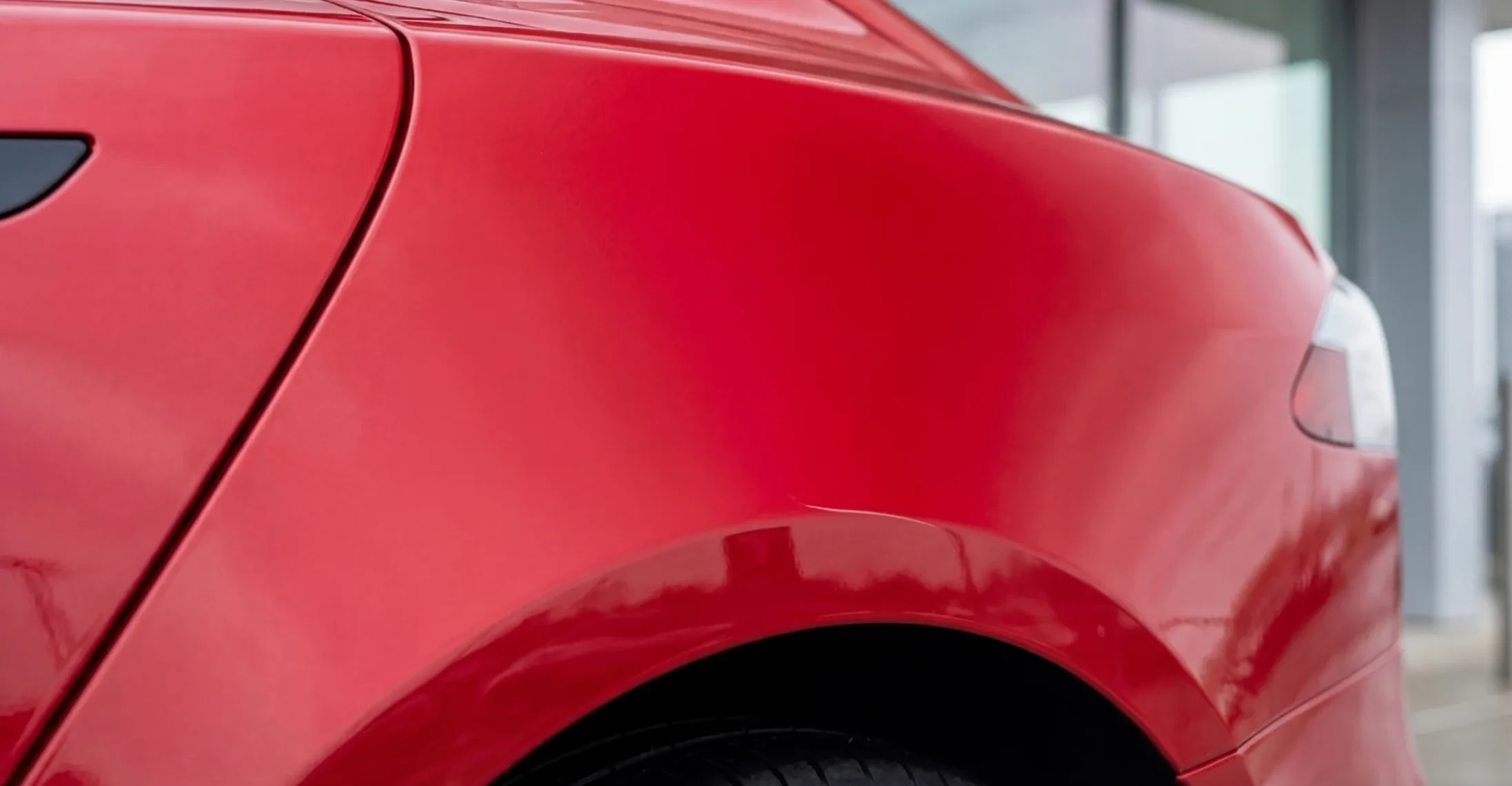
Claims management
Identify damage, attach verified reports, and process charge-backs within one streamlined workflow for a faster and transparent lease-end recovery.
Auditability and history
Every inspection and photo is time-stamped and securely stored, creating a tamper-proof vehicle history.
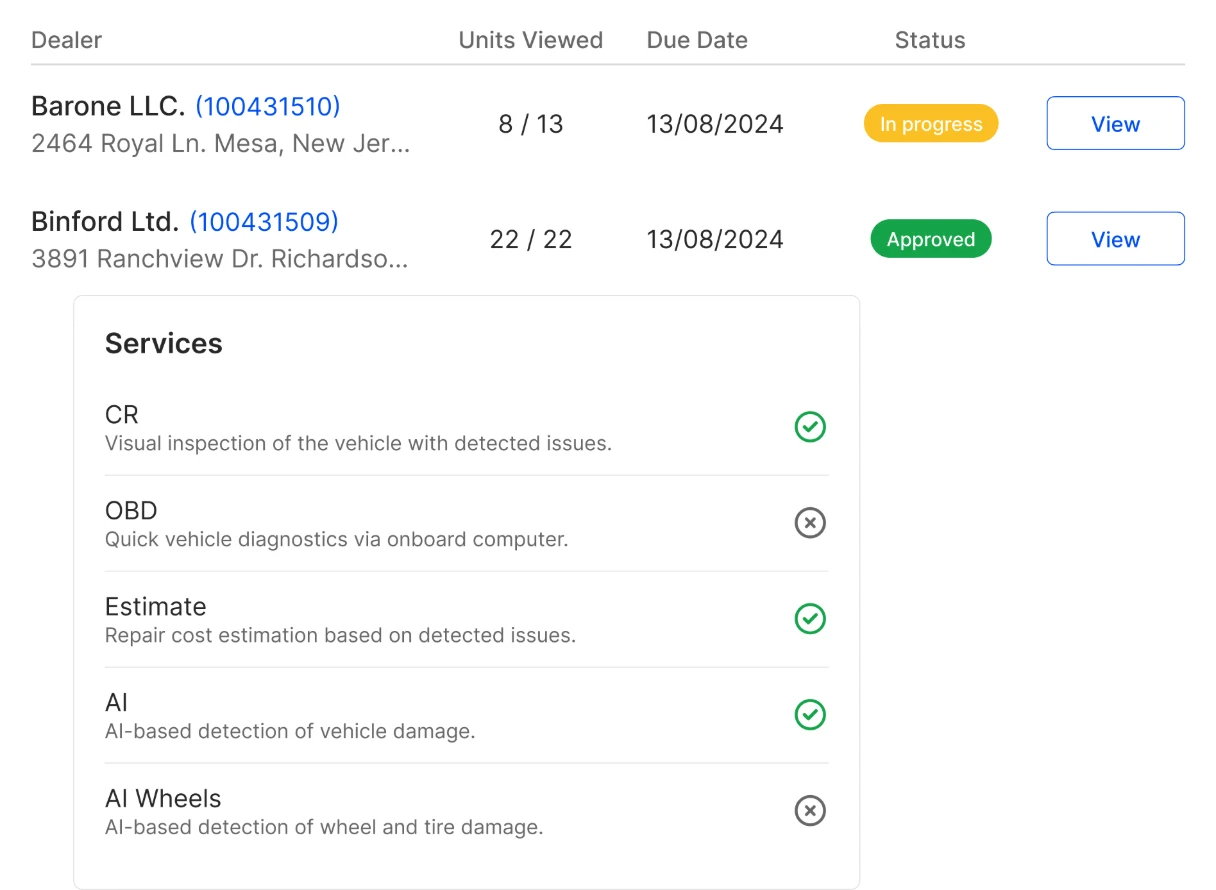
Contracts and policies
Connect inspections to lease terms for full traceability, with all reports and settlements stored in one audit-ready record.
How Self Inspection standardizes excess wear assessment
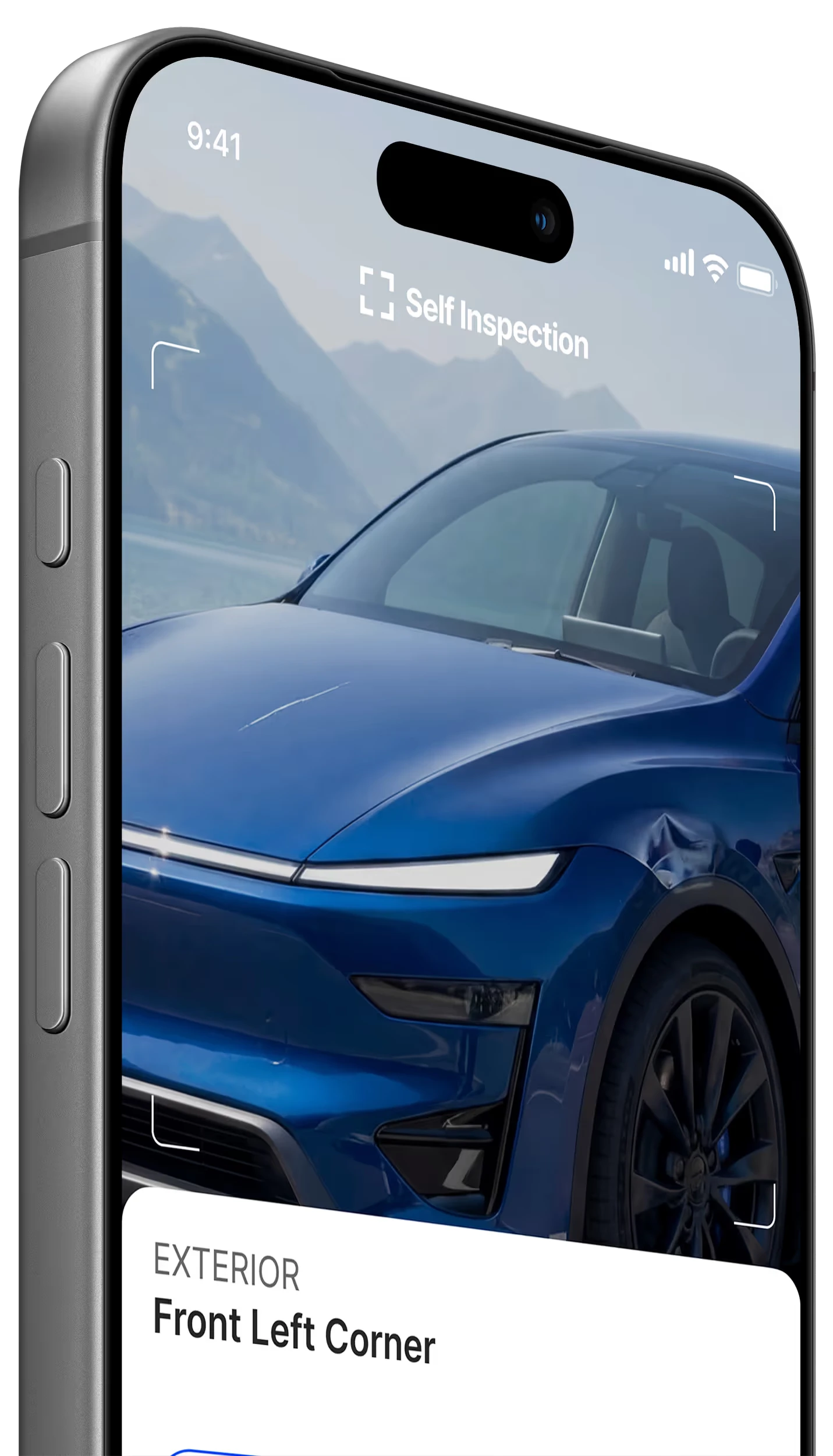
Nothing in the sequence requires a dedicated inspector to be present. The capture runs on whatever phone is nearest the vehicle, which is what makes the same standard applicable at a franchise dealer, a transit yard, and a remarketing facility without staffing all three.

Every damage instance is graded 1–5 against calibrated standards rather than against an inspector's sense of what looks bad. The same scratch produces the same grade in Los Angeles and in New York, on the first return of the day and on the last. That consistency is what makes a portfolio-level wear policy meaningful instead of aspirational.


90s
Guided photo capture at the dealer, transit yard, or wherever the lender takes possession
60 days
Notification window before return, when the lessee gets the inspection link
40–60%
Typical fall in excess wear dispute volume with standardized assessment
Why excess wear and tear is the most disputed line on a lease return
Nothing else on the closing statement generates the volume of calls that excess wear does. The reason is not that lessees are unreasonable. It is that the assessment they are being billed against was produced by a judgment call they cannot see.

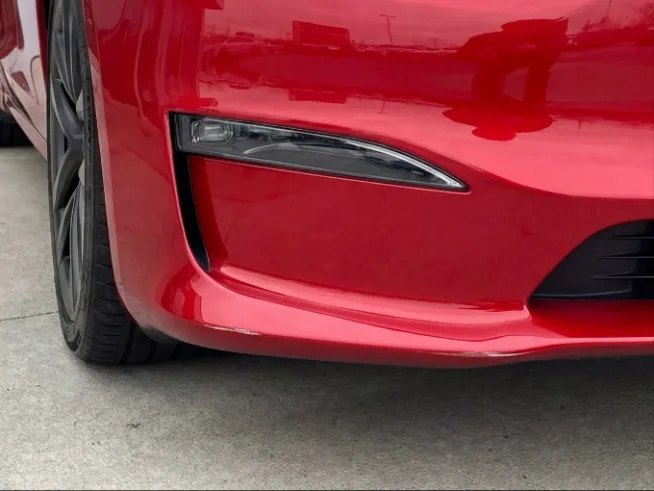
What lenders see after a full term cycle
The counterintuitive result is that dispute volume and customer satisfaction move in the same direction at once.
Portfolios running standardized assessment typically see excess wear disputes fall by 40–60%, because the charge arrives with the evidence rather than ahead of it.


“They needed a faster, standardized smartphone capture workflow that could run uniformly at every counter - while keeping damage assessment and repair-cost estimation as an internal task.”


“AI-driven Self Inspection cut their lease-end turnaround times by ~50%, with self-inspections completed in approximately 10 minutes via smartphone.”


“They turned on every Self Inspection capability - visual capture, AI damage detection, and outsourced repair-cost estimation - on day one.”
See it on your own vehicles
No credit card. No lengthy onboarding. See it in action in 20 minutes.
FAQ
When a leased vehicle is returned, the dealer or lender takes the vehicle through a Self Inspection capture - about 90 seconds of guided photo capture. The AI detects damage, classifies severity against calibrated standards, and an expert verifies findings. The lender receives a photo-evidenced excess wear report with cost estimates, ready to be reconciled against the lease agreement's wear standards.
Self Inspection uses calibrated severity scoring (1–5 per finding) applied consistently across every inspection, regardless of which inspector or location handles the return. Each finding is photo-evidenced and the cost estimates come from regional pricing data. This removes the inspector-judgment variability that's the root cause of most lease-end disputes.
Yes. Many lenders send a Self Inspection link to lessees 60 days before lease-end so they can see what excess wear charges might apply. This often leads to lessees fixing minor damage themselves before return, reducing both charges and surprise. The pre-return inspection is non-binding - it's a courtesy preview, not a final assessment.
Yes. The CR scoring system is configurable to match each lender's specific wear standards (which often differ from manufacturer to manufacturer in captive finance scenarios). Configuration is set up during onboarding and applied automatically to every inspection going forward.
Lenders using Self Inspection typically see dispute volume drop by 40–60%, with resolution time on remaining disputes cut significantly because the photo evidence and expert verification make findings hard to credibly contest.
Yes. The platform integrates with major loan origination and servicing systems via API. Common integrations include VIN auto-population, lease-end status sync, automatic charge calculation against the lease agreement's wear schedule, and remarketing platform handoff when the vehicle goes to auction.
Yes. Lenders often need lease returns to flow through dealers, transit yards, and remarketing facilities - sometimes all three for a single vehicle. Self Inspection works at any location with a phone or tablet. The inspection record persists and the same VIN can be re-inspected at multiple points if needed.
The inspection report is stored as part of the vehicle's permanent record, accessible by VIN. This is useful for remarketing (where buyers want condition history), for any post-return disputes, and for portfolio-level analytics. Data retention follows your contract terms - Enterprise customers can specify longer retention windows for regulatory or audit purposes.