
Fleet vehicle inspection software
Track vehicle condition across your entire fleet with mobile AI inspections. Reduce unplanned downtime, control maintenance costs, and standardize driver accountability - all from any phone.






Fleet use cases
Five moments in a vehicle's working life where a 90-second capture pays for itself.
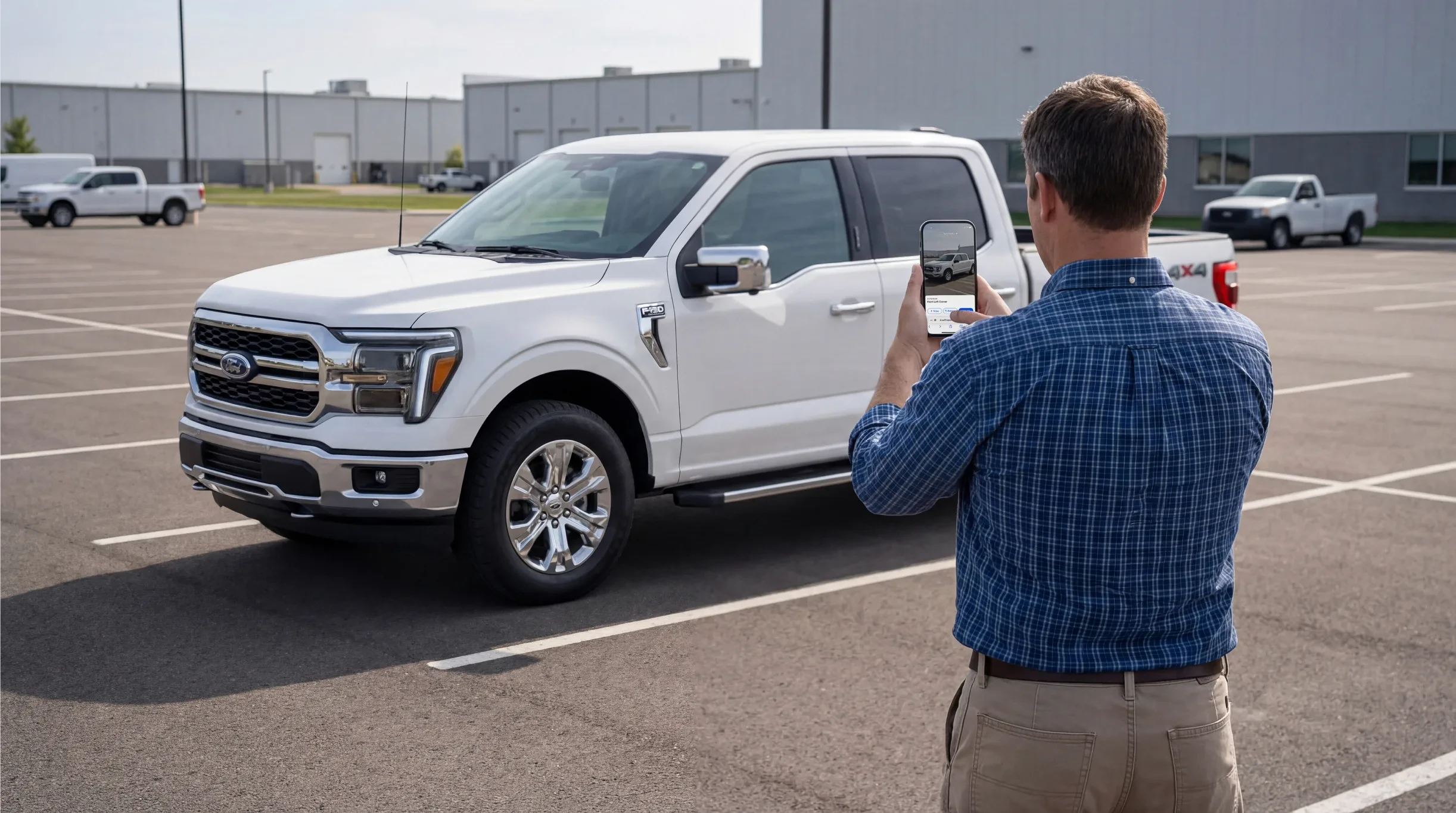
Drivers run a quick capture at the start and end of a shift. This is the DVIR process, standardized: the same items checked the same way by every driver, with photo evidence instead of a signature next to a checkbox.
Features built for fleet operations
One capture flow, one detection model, and the fleet records around them: estimates, reminders, incidents, and a history for every vehicle.
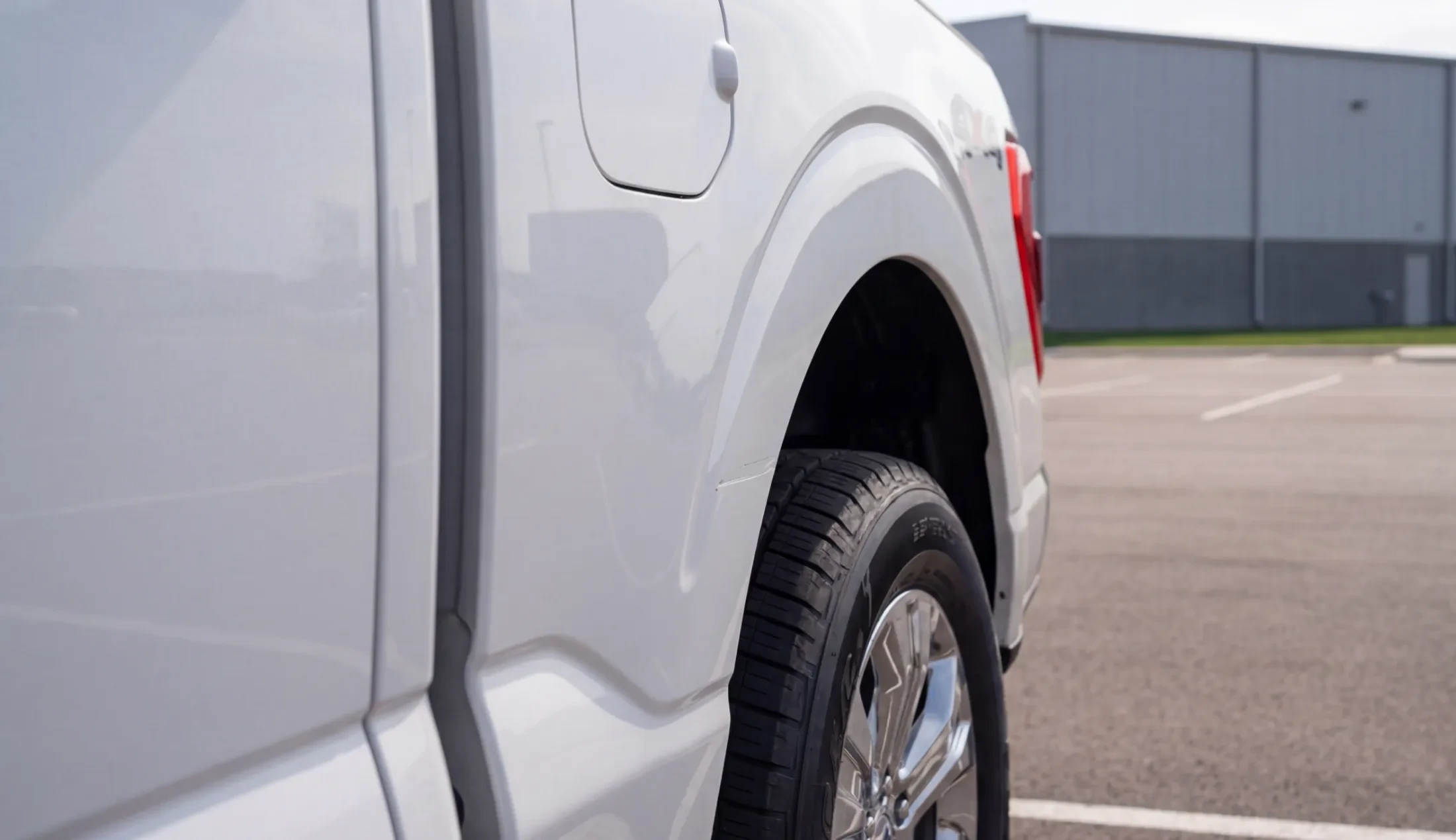







Mobile inspections for every driver
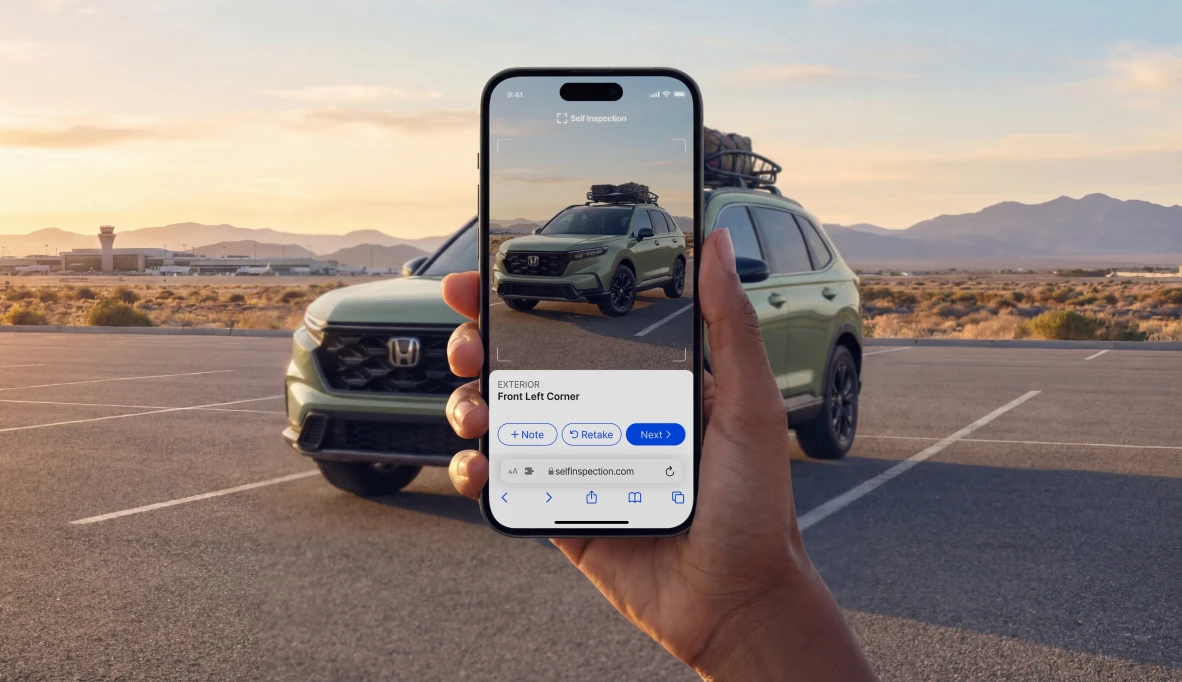
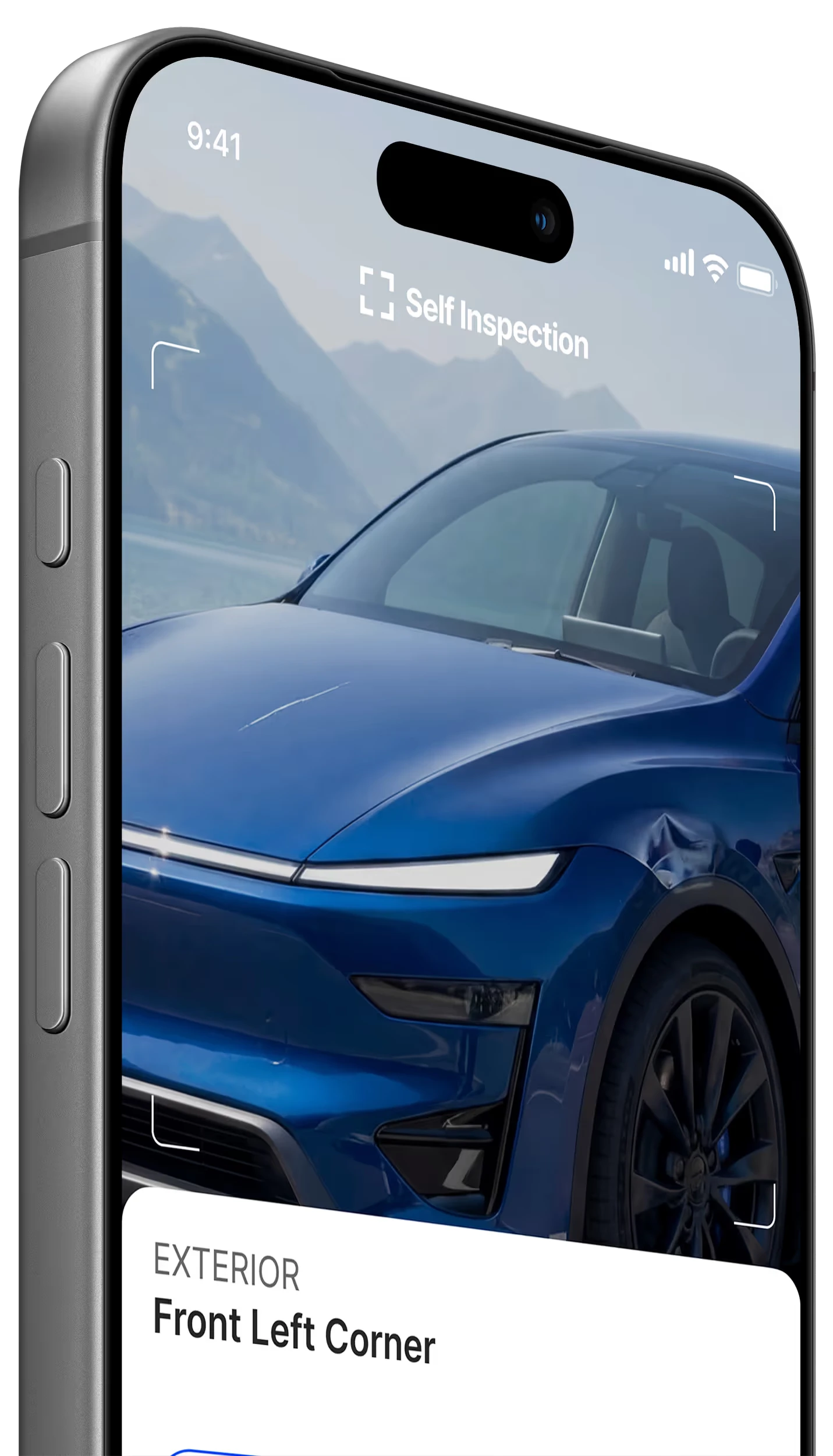
Conduct driver-led inspections from any phone, with no app, hardware, or training required. Configure inspection steps for shift changes, vehicle transfers, or routine checks so the process fits your fleet operations, not the other way around.
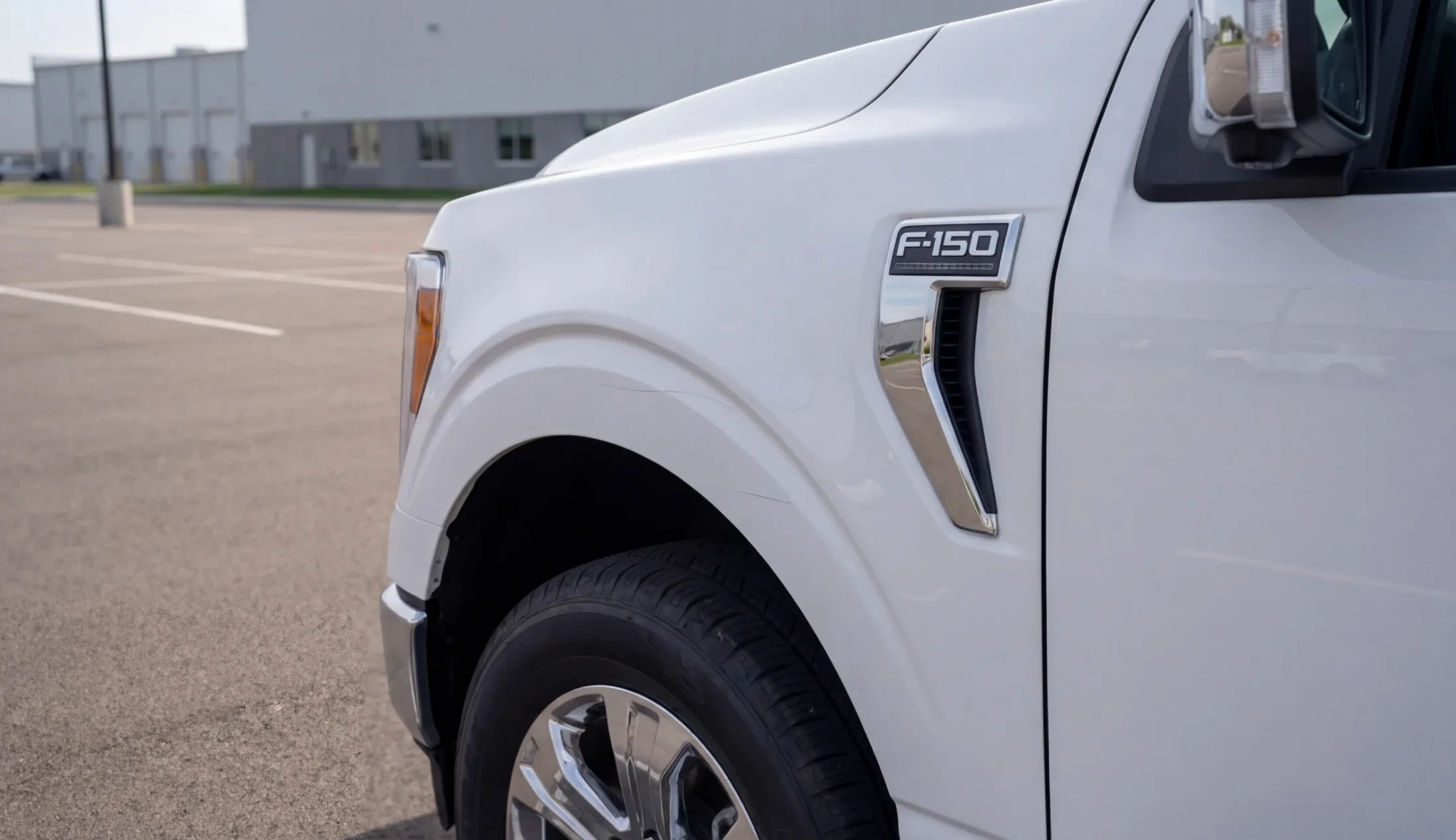
AI damage detection with expert review
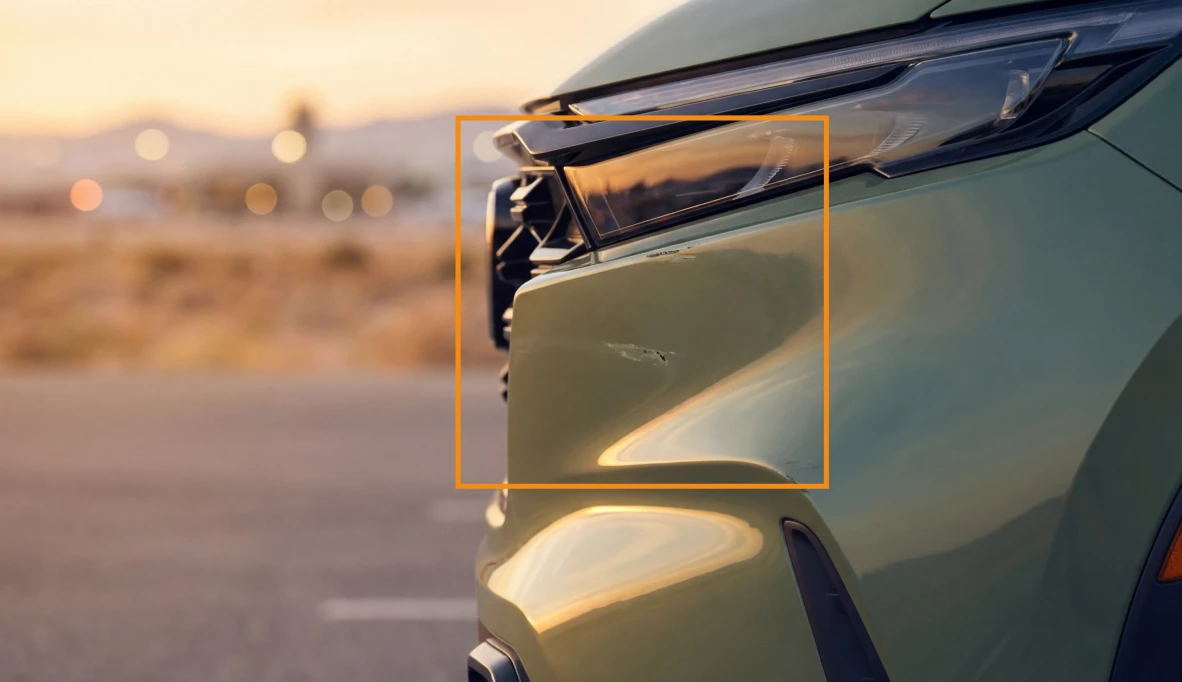
Let AI identify dents, scratches, and wear automatically. Verified by our expert inspectors, every report is accurate, objective, and defensible for internal audits or claims.
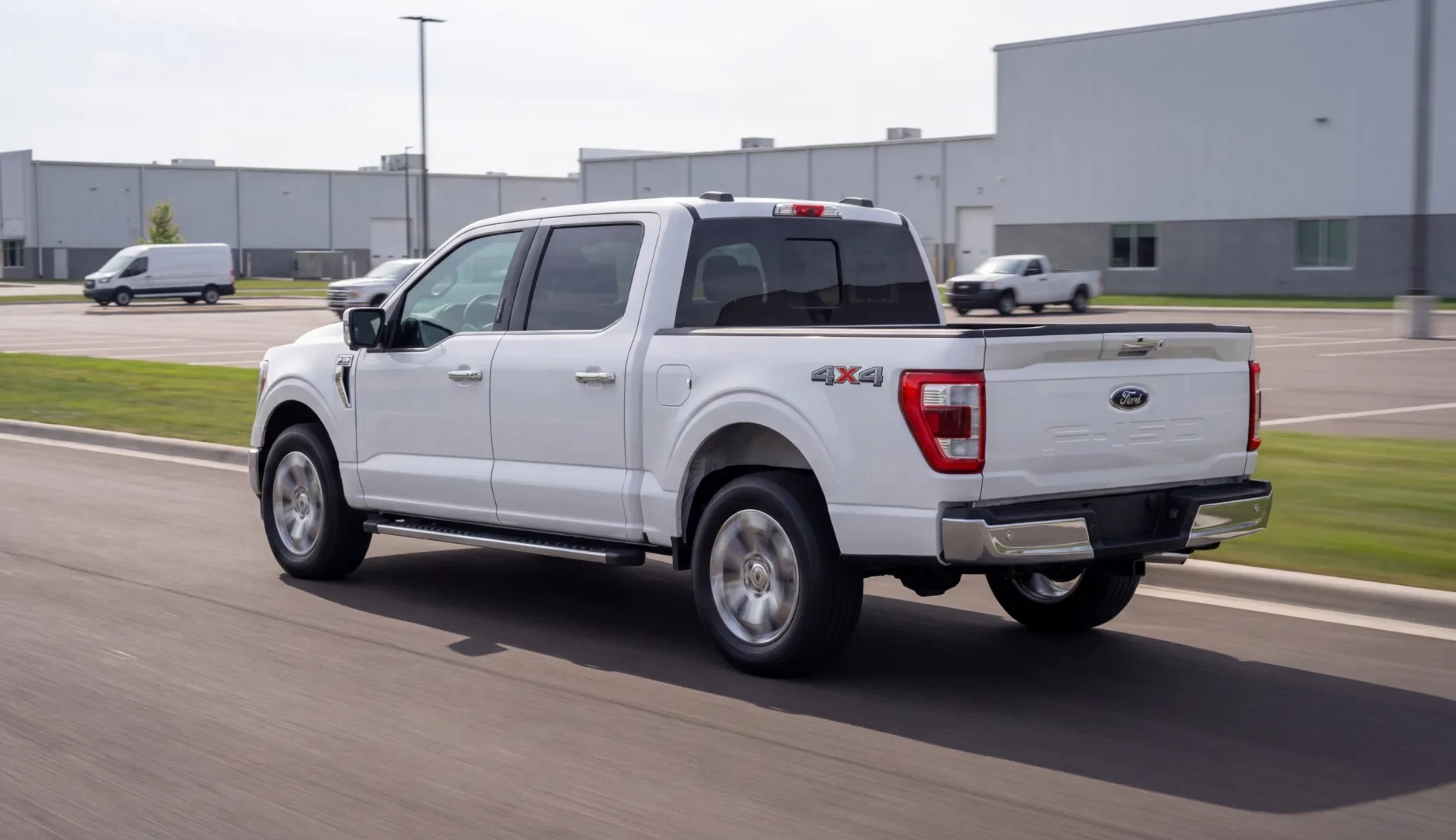
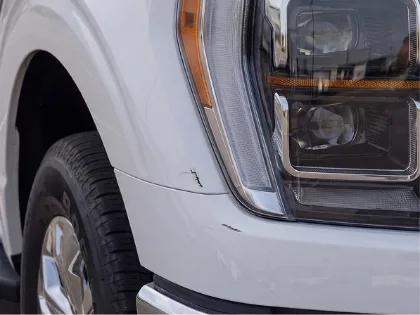
Photo and video-based estimates for repair
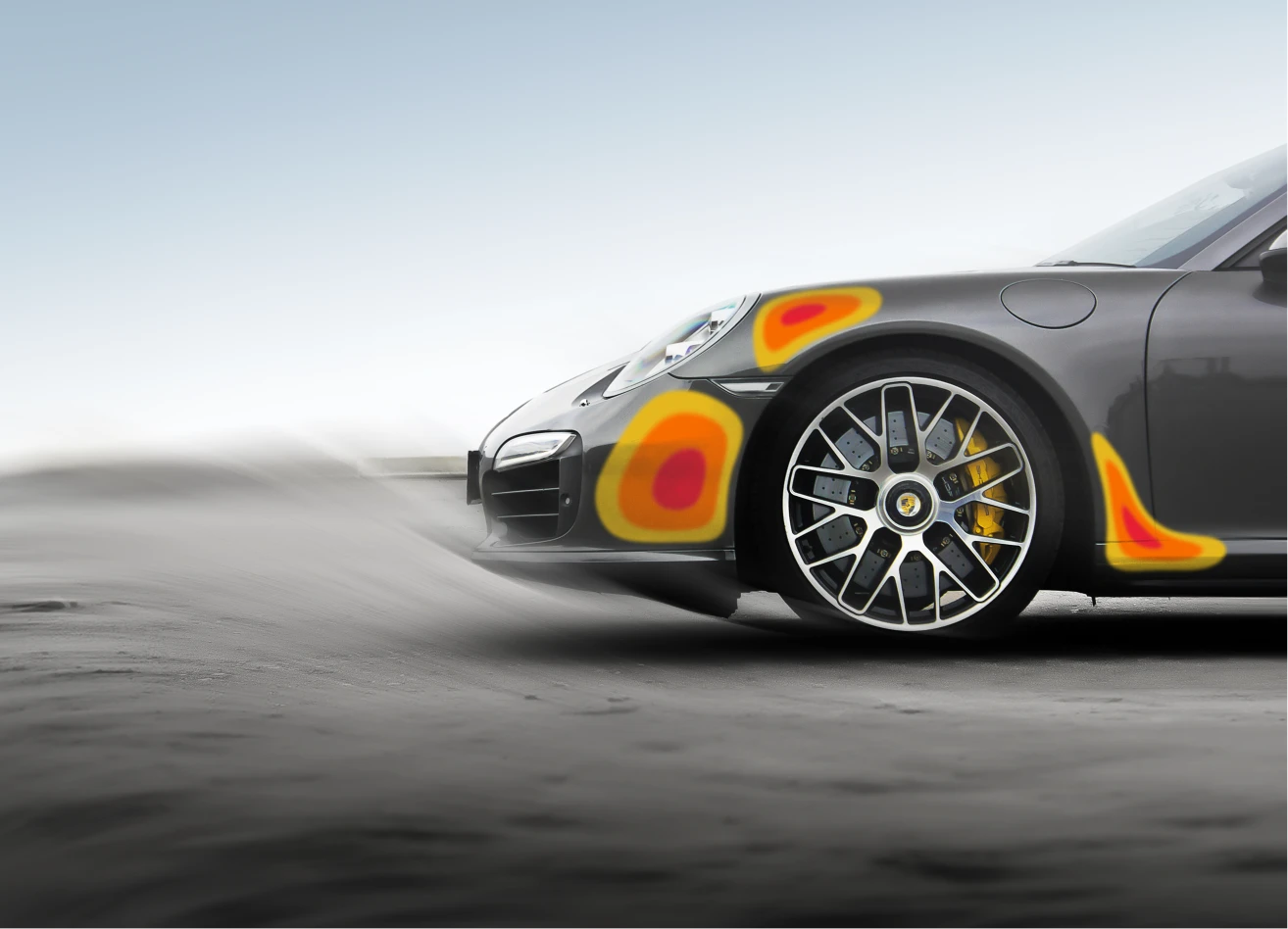
AI instantly estimates repair costs for detected wear or damage using your predefined pricing rules. Fleet managers see the true cost impact upfront, enabling faster maintenance decisions, better budget control, and improved vehicle availability.
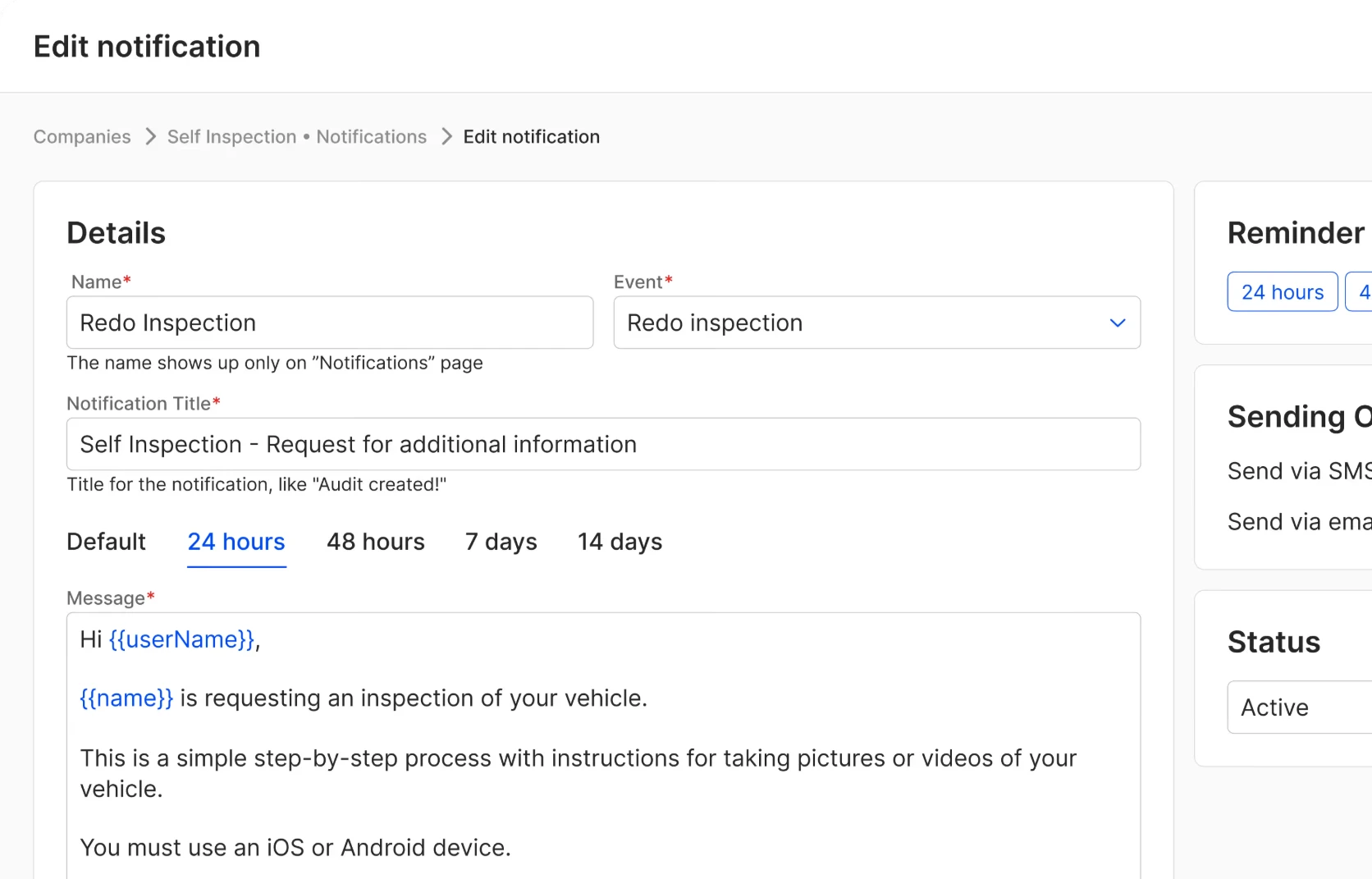
Scheduled inspections and reminders
Automate recurring checks by date, mileage, or use cycle. Never miss a required inspection, because the system alerts drivers and managers automatically.
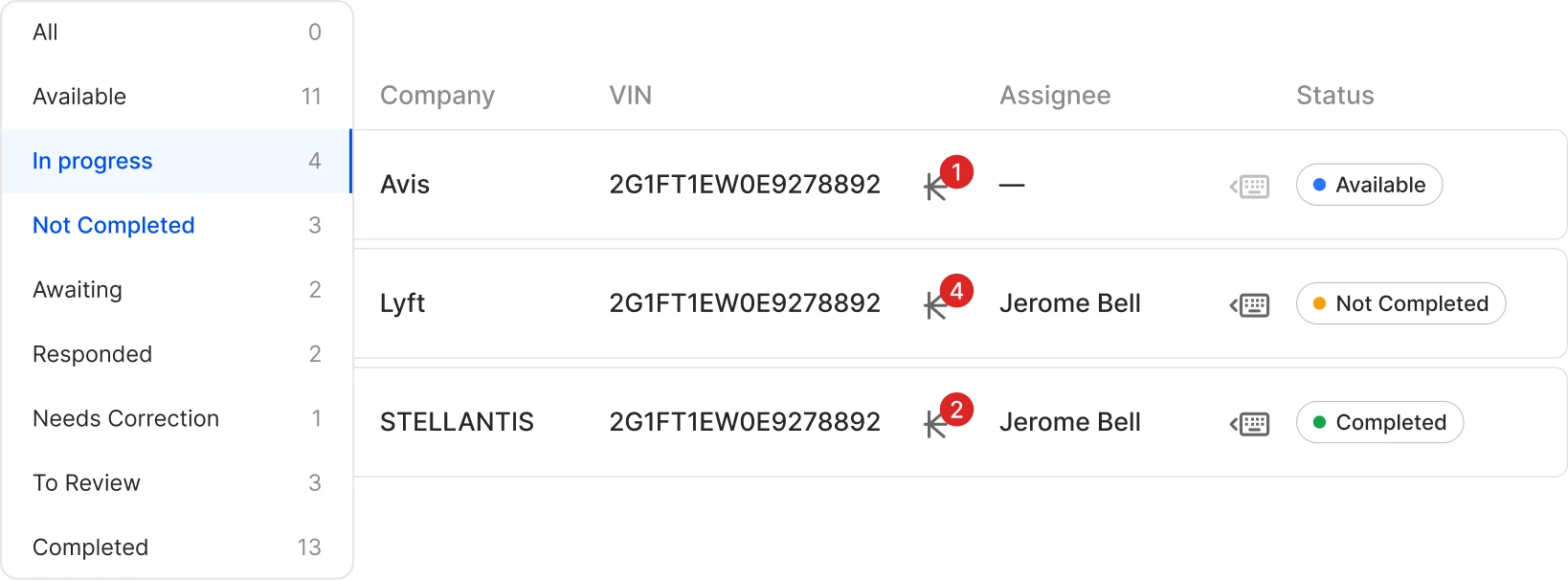
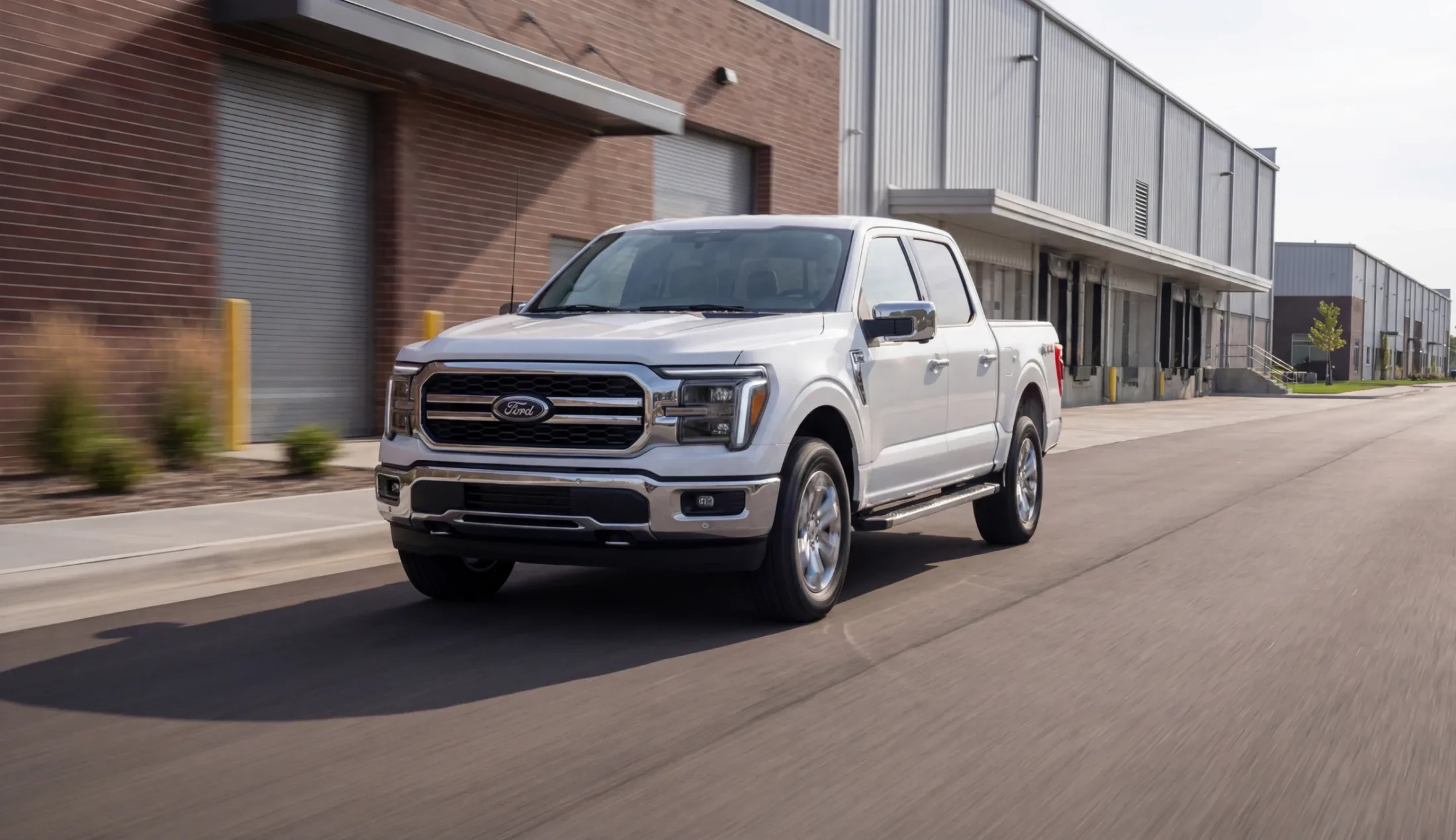
Fleet management
Oversee thousands of vehicles and inspections from one dashboard with live updates on status, damage trends, and repairs.
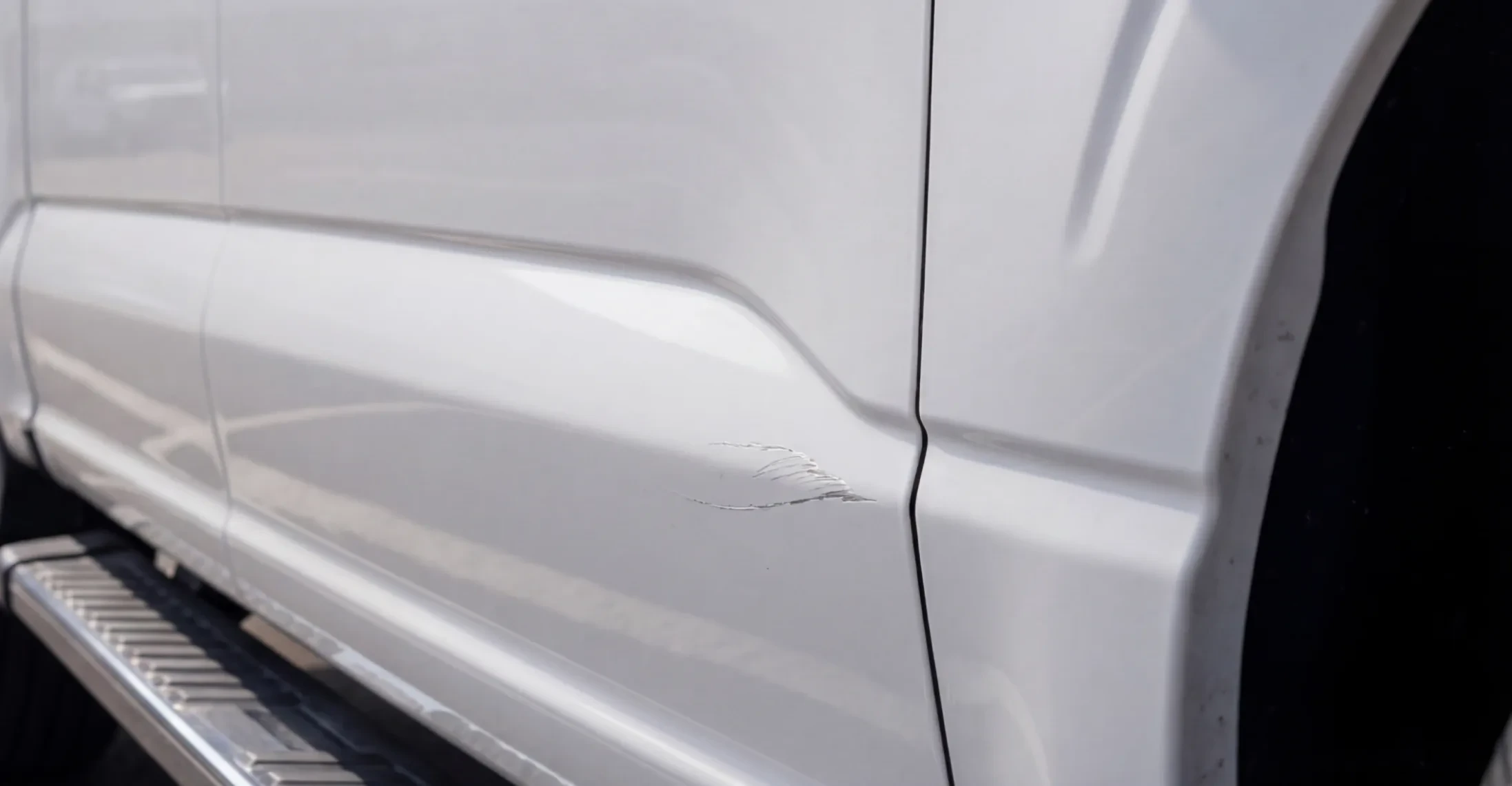
Incident management
Create verified incident reports linked to claims or drivers. Every report is photo-backed, timestamped, and fully traceable.
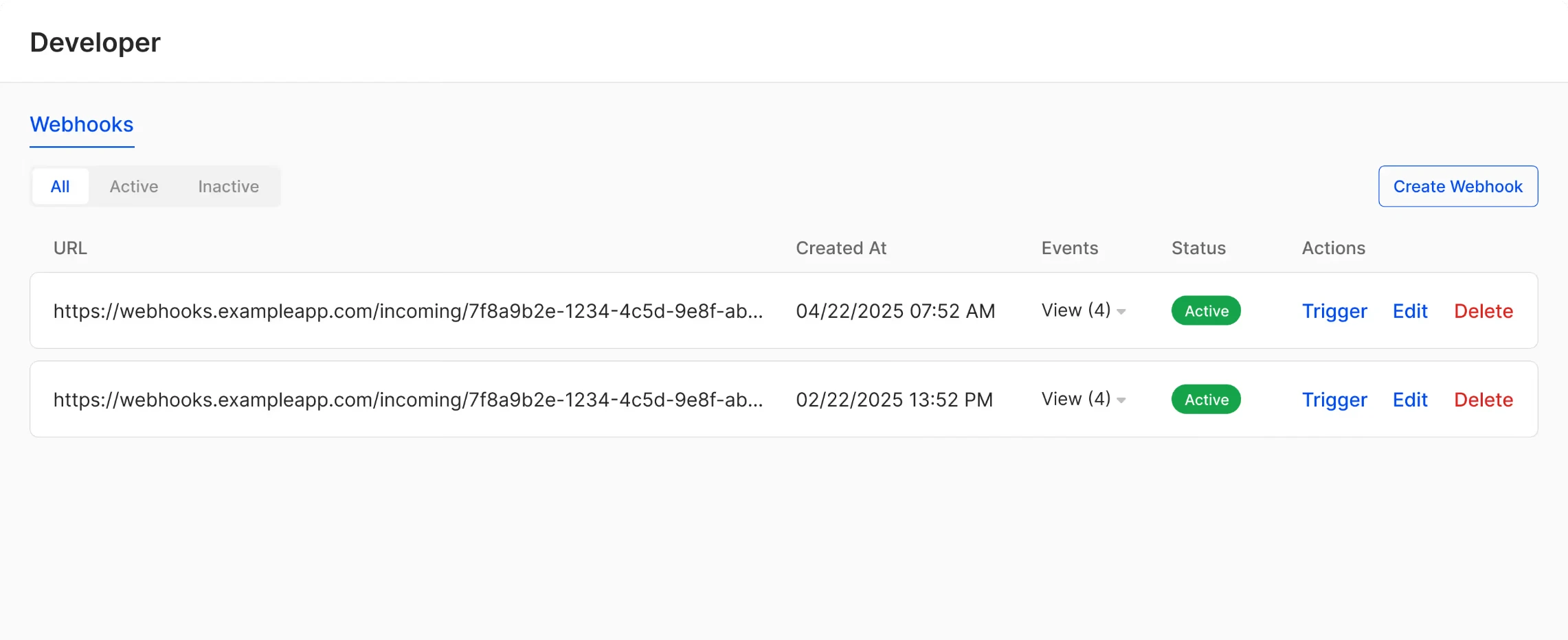
Partner and API integrations
Integrate Self Inspection directly into your platform workflows. Data flows automatically to your CMS, CRM, or transaction system.
Auditability and history
Every inspection and repair is logged, time-stamped, and stored securely for full transparency and compliance.
What does AI in fleet management actually change?
Fleet management became data-driven a decade ago. Telematics knows where every vehicle is, how it is being driven, and what the engine is complaining about. Fuel cards know what it costs to run. What none of them know is what the vehicle looks like.
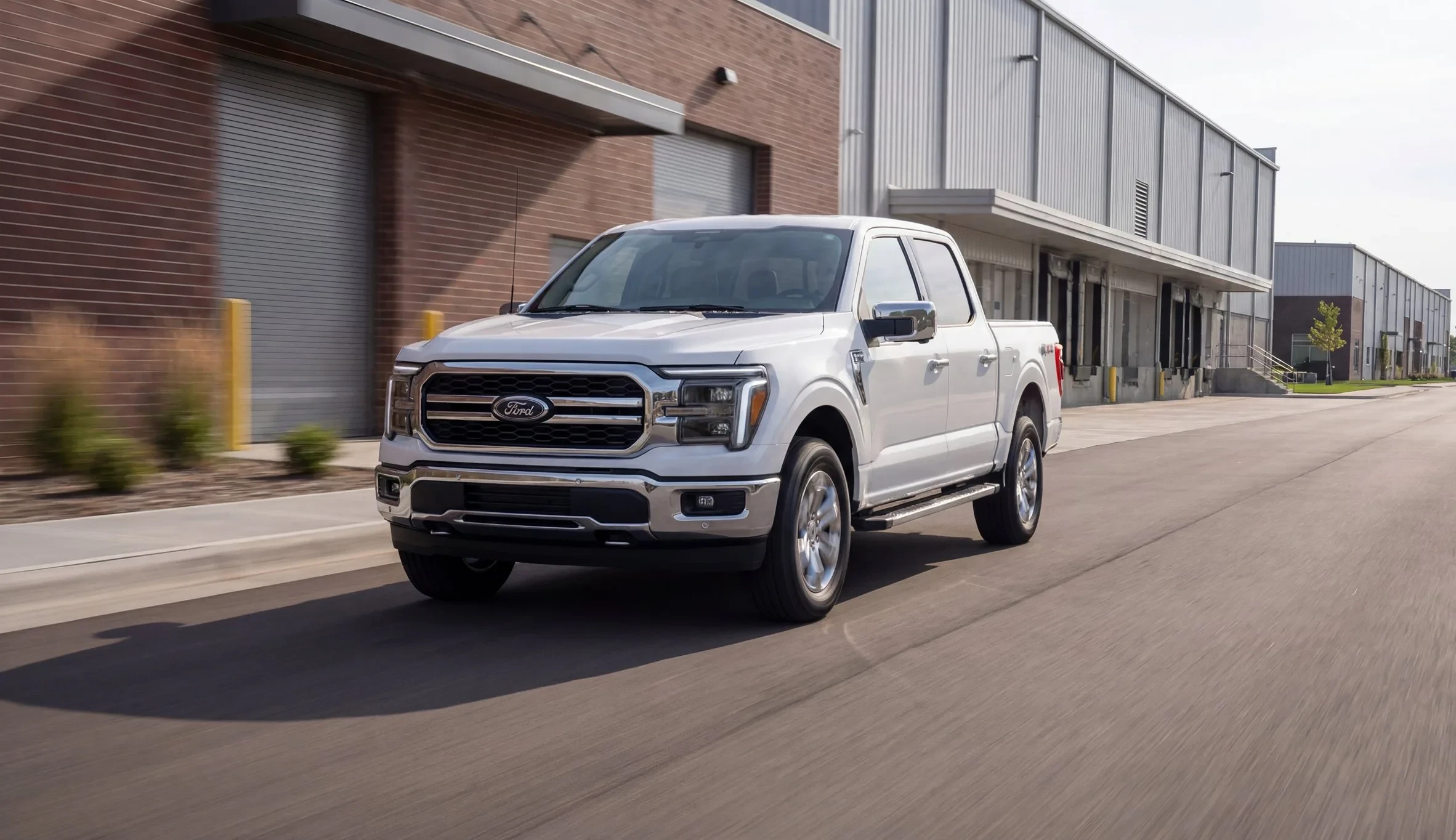
90s
About 90 seconds per vehicle, pre-trip and post-trip alike
100%
Of findings checked by a certified expert before the report is released
Class 8
Light commercial through heavy-duty, up to Class 8
Driver-friendly capture, or none of this happens
Drivers are the hardest user base in this business. Any process that costs them real time gets skipped on exactly the days it matters most.
Fleet outcomes
None of these depend on catching a dramatic failure. They come from a dated, evidenced condition record for every vehicle.
Gradual issues are caught while they are still maintenance items rather than breakdowns, which moves work from the roadside to the shop where it costs a fraction as much.
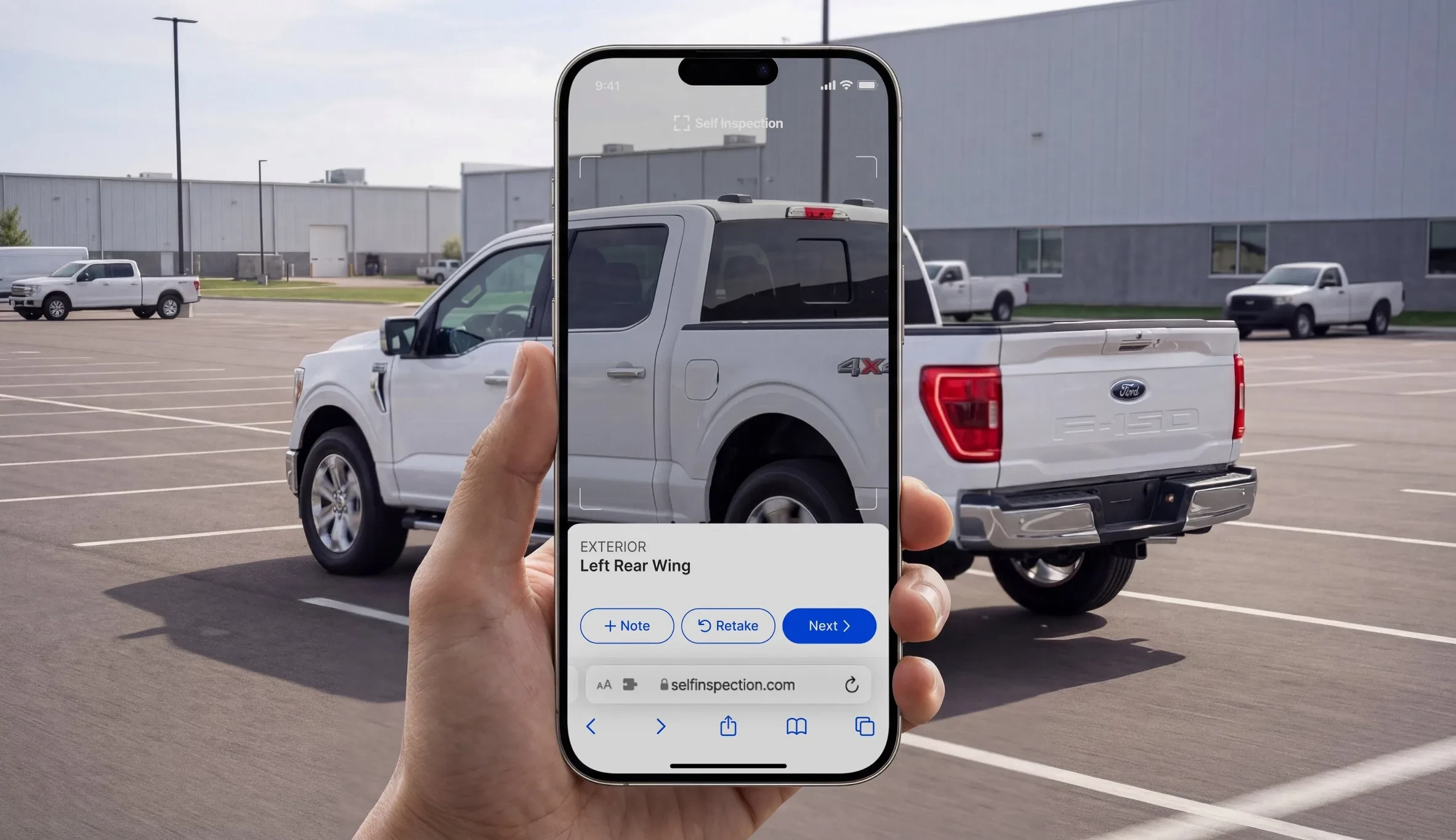
DVIR compliance
Commercial fleets are required to document pre-trip and post-trip inspections. Doing it on paper satisfies the letter of the rule and almost nothing else.

“They needed a faster, standardized smartphone capture workflow that could run uniformly at every counter - while keeping damage assessment and repair-cost estimation as an internal task.”


“AI-driven Self Inspection cut their lease-end turnaround times by ~50%, with self-inspections completed in approximately 10 minutes via smartphone.”


“They turned on every Self Inspection capability - visual capture, AI damage detection, and outsourced repair-cost estimation - on day one.”
See it on your own vehicles
No credit card. No lengthy onboarding. See it in action in 20 minutes.
FAQ
AI vehicle inspection replaces manual periodic inspections with a fast, consistent, photo-evidenced workflow that any driver can run from a phone. Findings are standardized across the fleet (no more inspector-to-inspector variability) and feed automatically into maintenance scheduling, insurance claims, and driver accountability workflows.
Yes. The commercial vehicle workflow satisfies FMCSA Driver Vehicle Inspection Report requirements - photo-evidenced, dated, geotagged, and configurable to match your specific fleet's DVIR template. Records are available for FMCSA review.
Yes. Driver-run pre-trip and post-trip inspections are the most common use case. The capture is 90 seconds, runs in any phone browser without an app, and works offline if signal drops. The guided capture flow is designed for non-experts, so driver-driven inspections are as accurate as inspector-driven ones.
The platform integrates with major telematics providers including Geotab, Samsara, and Motive (formerly KeepTruckin) via API. Inspections are keyed to vehicle ID, driver ID, route, and mileage, so condition data shows alongside telematics data in your fleet management dashboard. Inspection findings can also trigger maintenance ticket creation in connected fleet management platforms.
Yes. By running inspections at vehicle assignment handoffs (start and end of each driver's shift, or whenever the vehicle changes hands), Self Inspection establishes a clear chain of custody. Net new damage between two inspections is attributable to the period in between - and therefore to whoever had the vehicle then.
The platform's inspection data feeds connected fleet management and telematics systems. When combined with telematics data (mileage, engine hours, fault codes), patterns emerge - gradual tire wear trends, recurring damage in certain zones, etc. Predictive maintenance modeling is typically done in your fleet management platform; Self Inspection provides the condition data input.
Light commercial fleets (delivery vans, service vehicles), medium-duty truck fleets, heavy-duty Class 8 fleets, rental fleets between rentals, and specialty fleets (waste management, utility vehicles). Vehicle types up to Class 8 are supported. Specialty equipment (motorcycles, marine, off-road) is not currently supported.
Fleetio and Whip Around are fleet management platforms with inspection modules; Self Inspection is a specialized AI inspection platform that integrates with them. The AI damage detection and expert review layer aren't part of Fleetio's or Whip Around's offerings - Self Inspection adds those on top, and the data flows back to your existing fleet management platform.