AI + expert damage verification
Every inspection runs through both AI damage detection and certified human expert review. AI makes it fast. Experts make it dispute-proof.






<30s
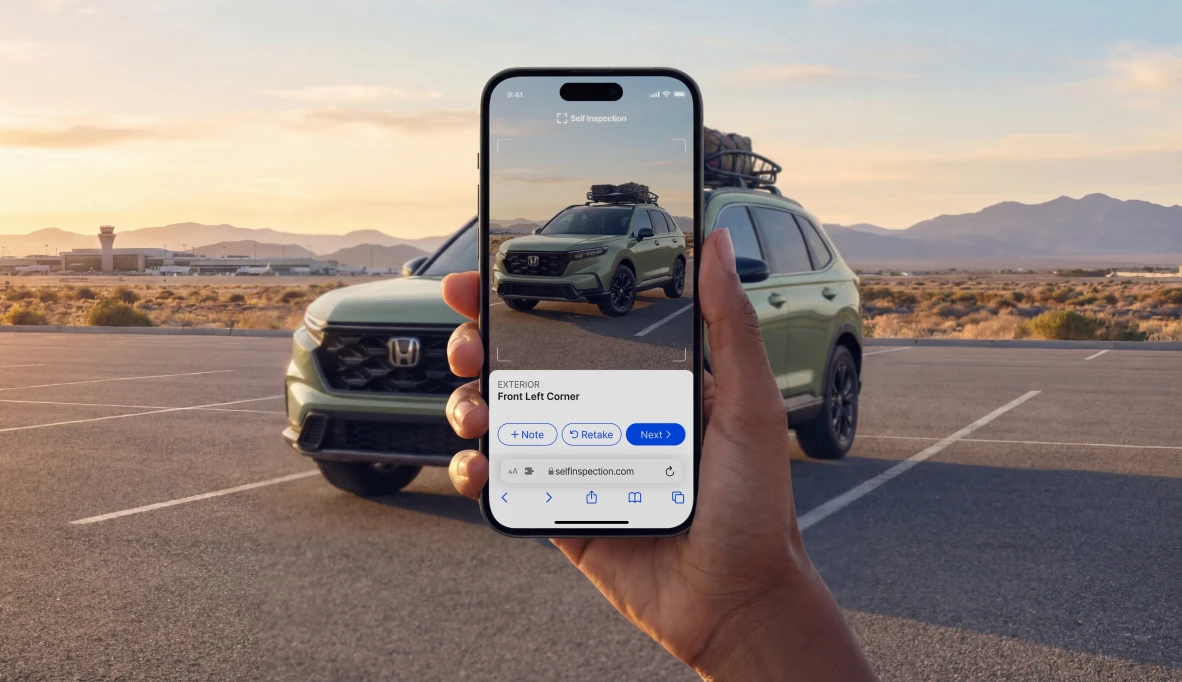
The model scans the captured photos and returns candidate findings
<60s
A certified reviewer confirms or rejects each flagged finding
100%
Of findings checked by a certified expert before the report is released
How Self Inspection's hybrid model works
Three stages, running back to back, adding under two minutes to the inspection in total.
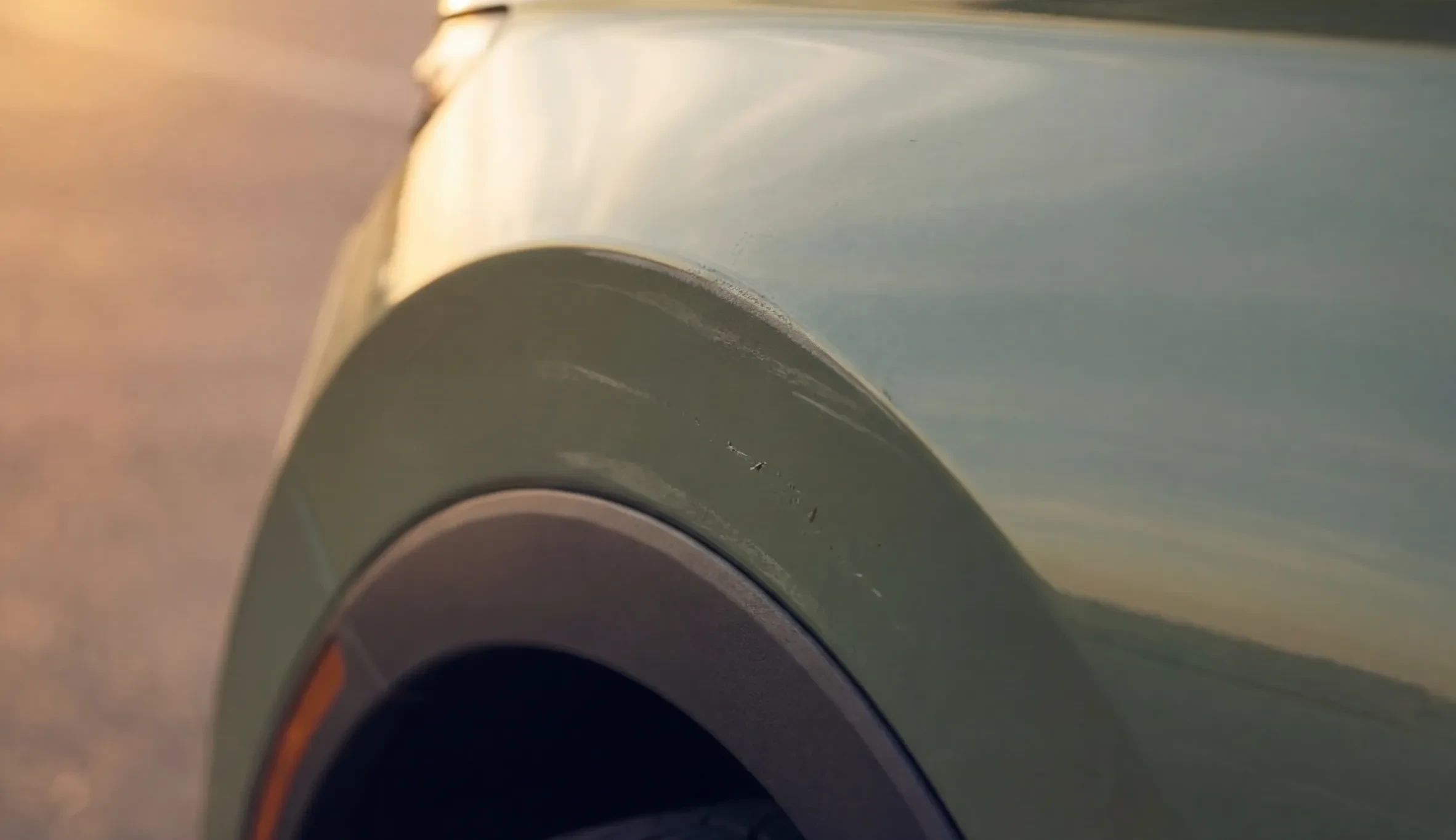
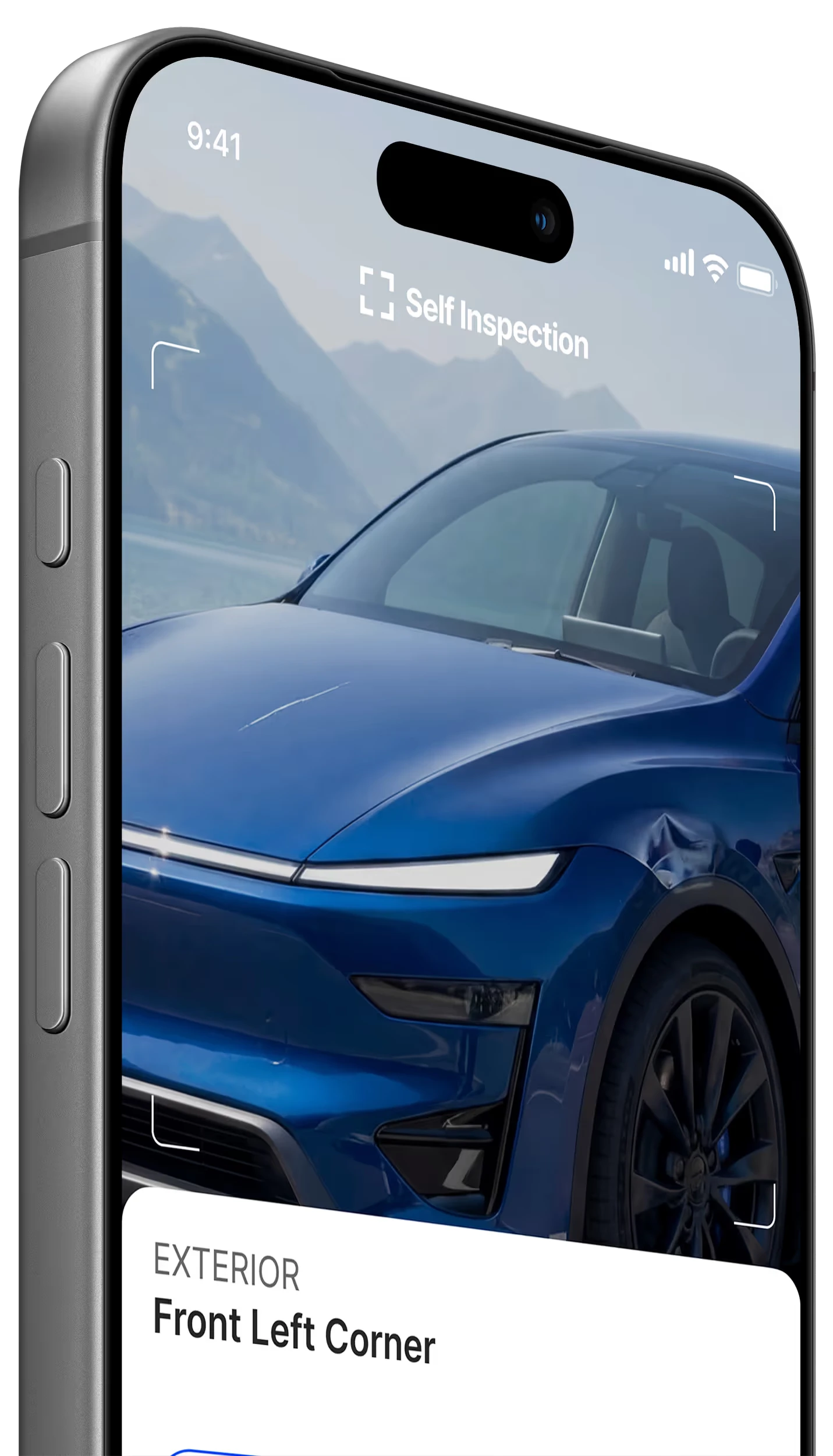
The model scans every captured photo, identifies candidate damage instances, and returns a bounding box, a damage type, a location zone, and a severity grade for each one - along with a calibrated confidence value that decides what happens next.
Who reviews each inspection
The review layer is only worth having if the reviewers are better than the model. That is a staffing and measurement problem, not a software one, so it is managed as one.
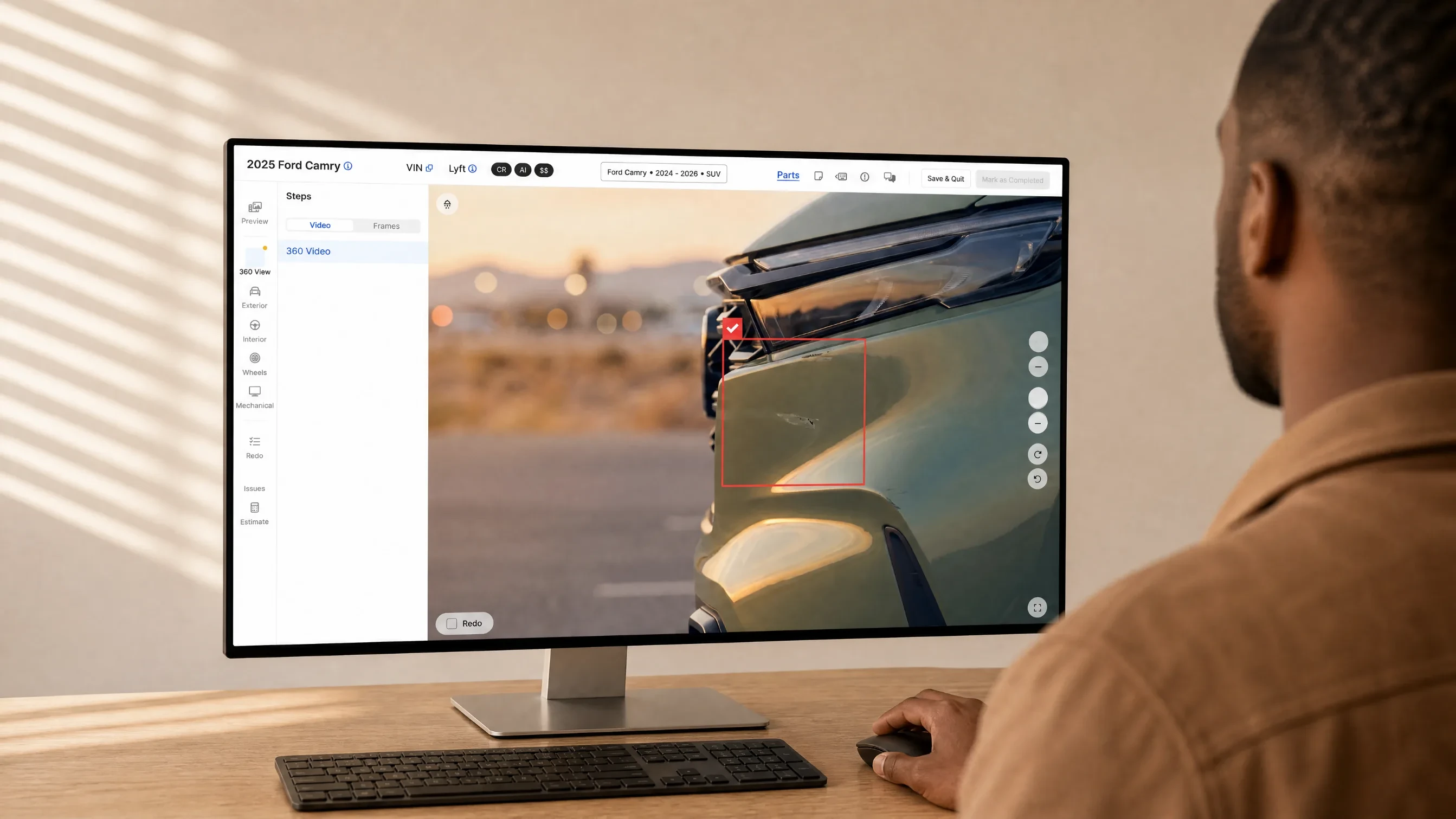
Certified vehicle damage inspectors, I-CAR, ASE, or equivalent certification.
5+ years of vehicle inspection experience on average.
Monthly testing against gold-standard cases with known ground truth.
98%+ on QA tests. Below it, a reviewer is removed from the queue.
A 24/7 review pool, keeping average inspection turnaround within minutes.
Why pure AI isn't enough
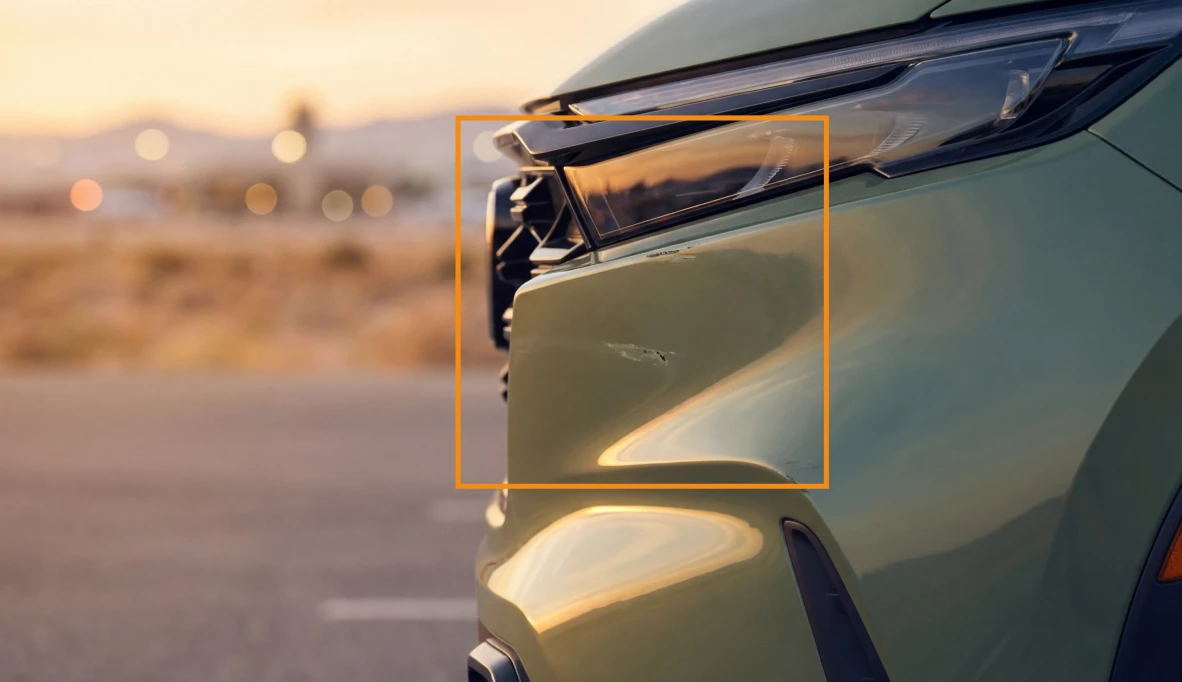
Computer vision is excellent at pattern recognition on common damage types. A dent in good light, on a panel the model has seen ten thousand times, is close to a solved problem.

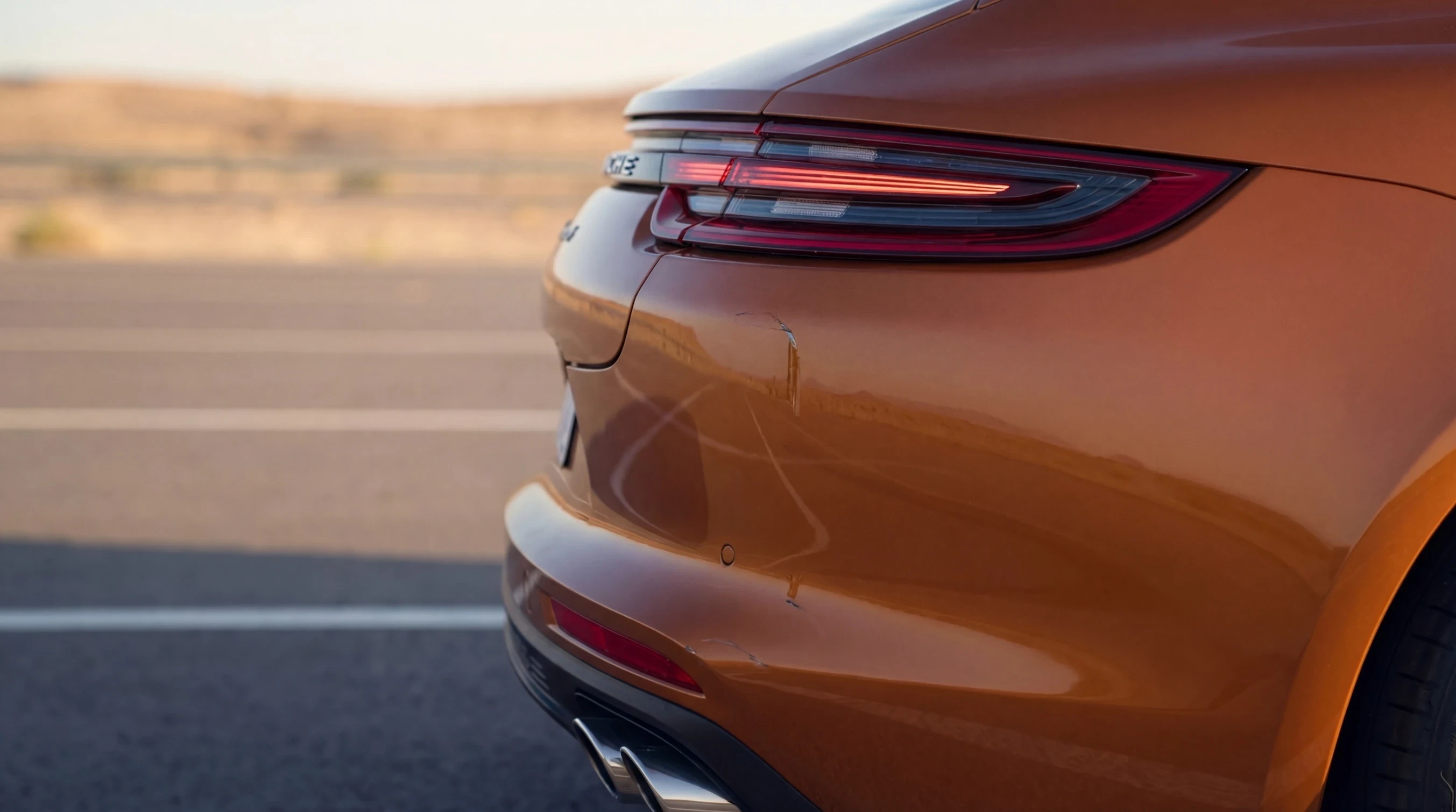
The difficulty is everything else: a faint scratch that only shows at one angle, a dent viewed edge-on, a water spot or a shadow that reads as paint damage, a reflection of a lamp post across a door. Those cases produce false positives and false negatives at a rate that matters at scale.


Accuracy benchmarks
Accuracy claims are only meaningful alongside the method that produced them. The method is below the numbers.
96%
AI alone, across the full damage set
99%
AI + expert review, as delivered in production
<1%
False positive rate as delivered - damage reported that is not there
<1%
False negative rate as delivered - damage present that is not reported
What the AI detects (and how)
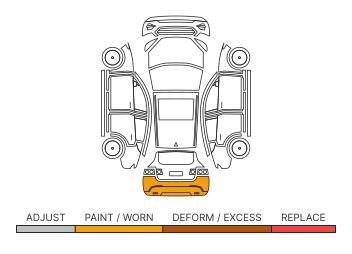
Three dimensions per finding. Together, these dimensions and their sub-types make up the 6,000+ combinations the model is trained on.
Damage types
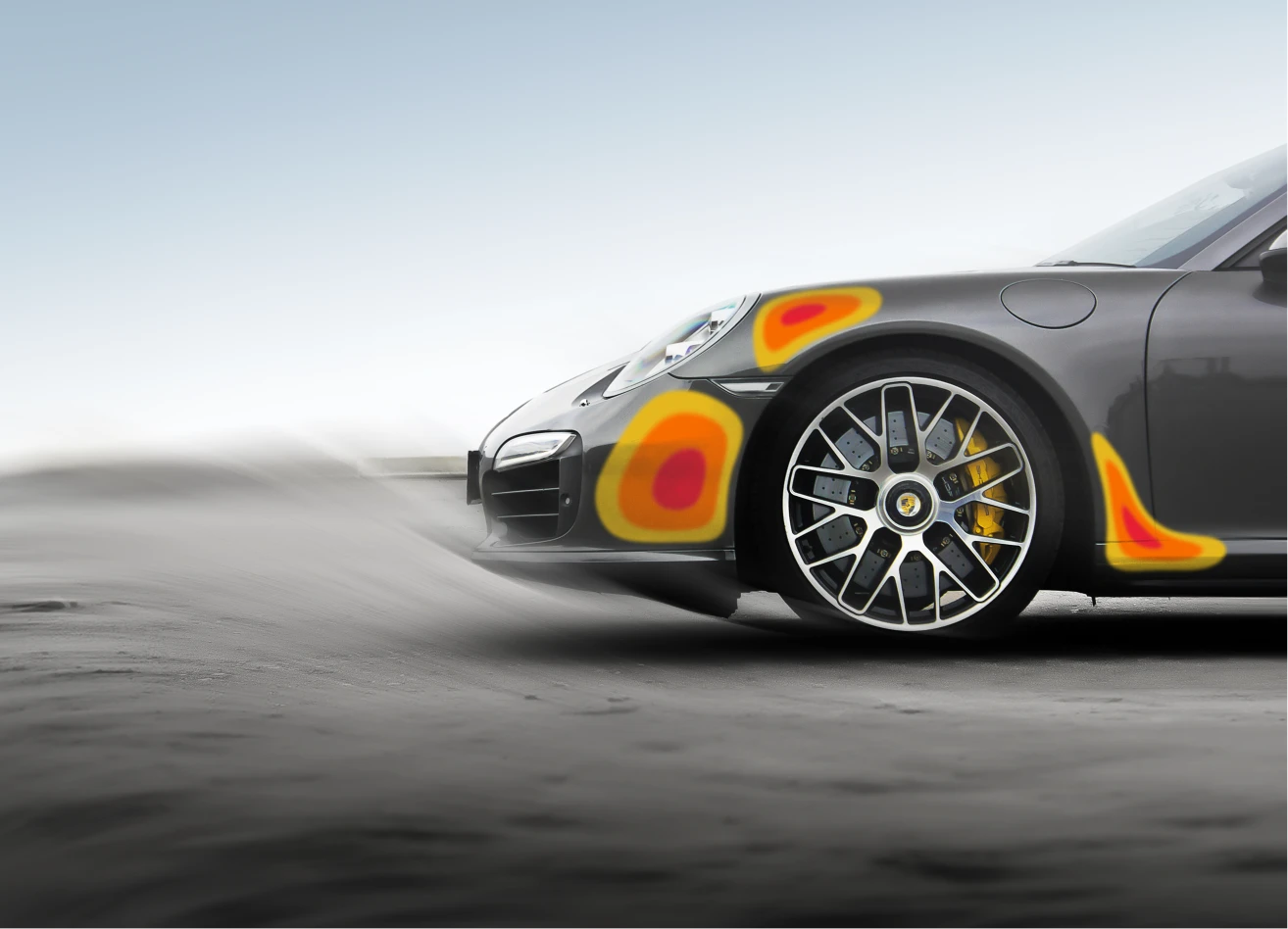
Thirteen primary types are recognized: dents, scratches, paint chips, panel damage, glass damage, missing components, tire wear, interior wear, paint discoloration, rust, corrosion, structural damage, and mechanical damage signs. Each carries its own weighting when the CR Score is calculated.
Where it matters most - high-stakes inspections
Three situations where a single wrong finding costs more than a year of review.

A lessee is charged $400 for excess wear and disputes it. Without verification, the lender's position is an algorithm's output against a customer's recollection, and the usual resolution is to waive the charge. With verification, the position is a photograph, a severity grade, a named certified reviewer, and a timestamp - which is why the charge stands.


Detection sits inside a larger system - see the platform overview.
Bring a damaged vehicle. We'll show you the verification trail.
Twenty minutes, a live inspection, and the full record behind every finding.
FAQ
Self Inspection's AI alone delivers 96% accuracy across the full damage set. Combined with the mandatory human expert review layer, delivered accuracy is 99%. Both numbers are validated against blinded comparison with in-person physical inspections on a sample of over 10,000 vehicles.
AI is excellent at common damage patterns but produces both false positives and false negatives on ambiguous cases - faint scratches, edge-on dents, lighting artifacts. Human reviewers catch those edge cases. Buyers in regulated industries also need an explicit audit trail of human verification, not just an algorithmic decision.
Average expert review takes under 60 seconds. Total inspection time from start to delivered report is still within minutes - the AI does the heavy lifting before the findings reach human review.
Certified vehicle damage inspectors with industry-equivalent qualifications (I-CAR, ASE, or equivalent certification). Average reviewer has 5+ years of vehicle inspection experience. Reviewers are benchmarked against gold-standard test cases monthly and removed from the queue if accuracy drops below 98%.
Yes. Every condition report includes a verification trail showing the AI prediction, the reviewer ID, and the final decision per damage instance. This is critical for dispute resolution - when a customer challenges a finding, you can show exactly how it was determined.
The expert reviewer also scans the inspection photos independently and can add damage findings the AI missed. The review layer is not just a verification step - it's a redundant check that catches what AI alone might miss.
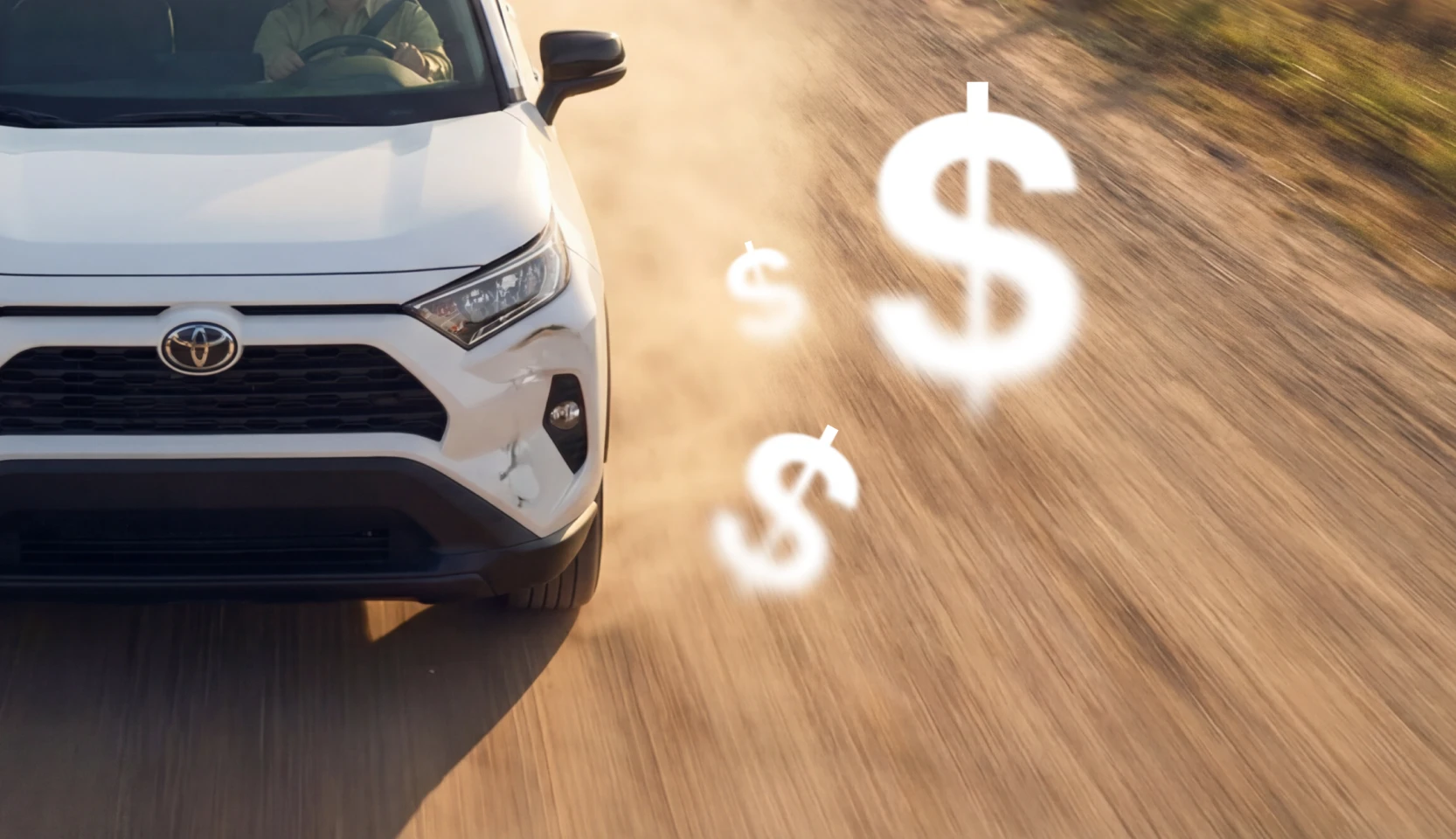
Yes. After damage is detected and verified, Self Inspection estimates repair cost using regional pricing data for parts and labor. Estimates are returned as ranges (e.g., $250–$400) reflecting realistic variation in body shop pricing across the US.