



Vehicle inspection for auto marketplaces
Give buyers verified condition reports, sellers transparent grading, and your platform a defensible trust advantage. Reduce returns and increase listing-to-sale conversion.






Why marketplace inspections matter
Every used vehicle marketplace runs on one unresolved question: what condition is this car actually in? Everything else about the platform - the search, the logistics, the payment rails - is downstream of how confidently a buyer can answer it from a listing page.

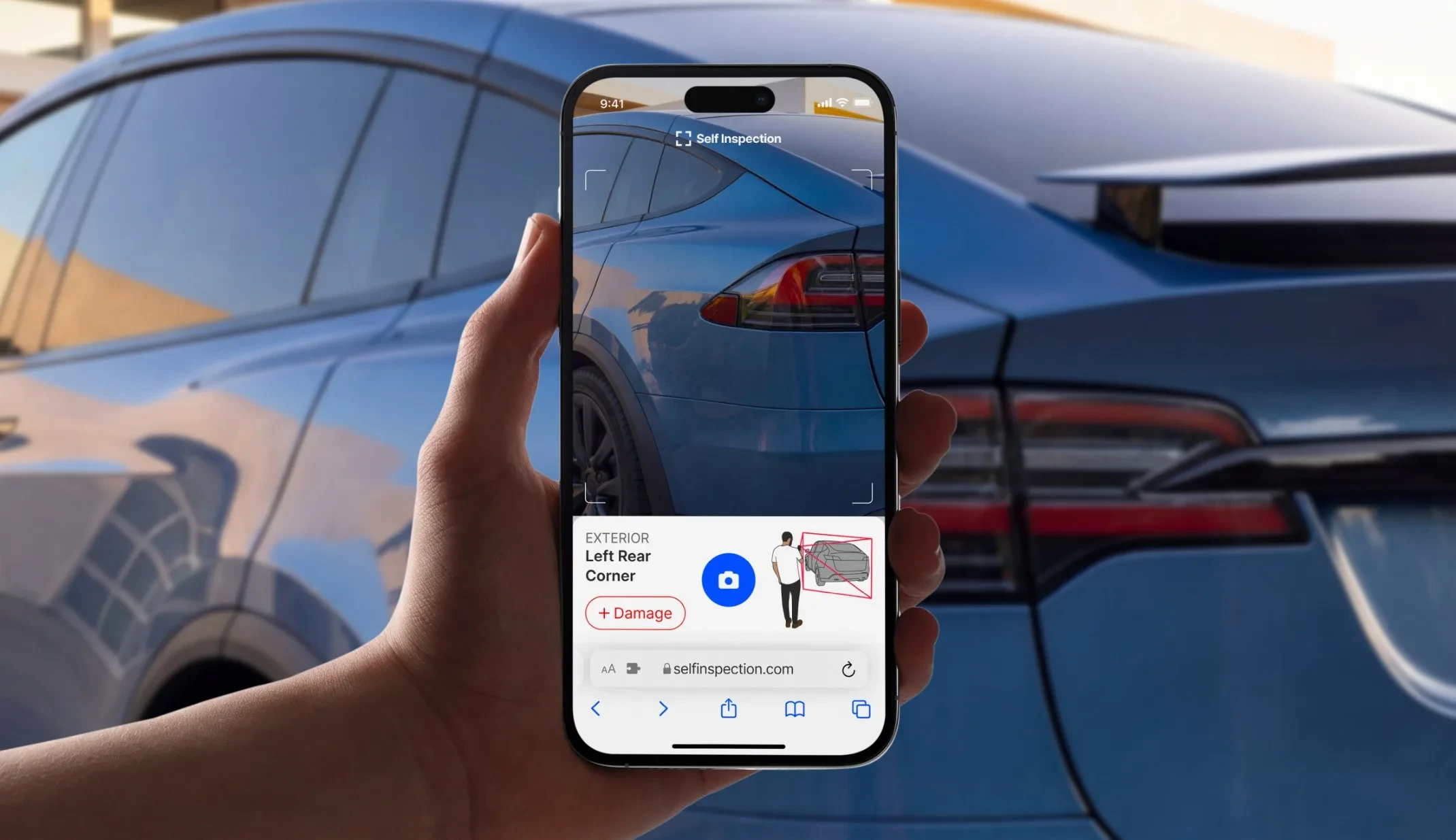
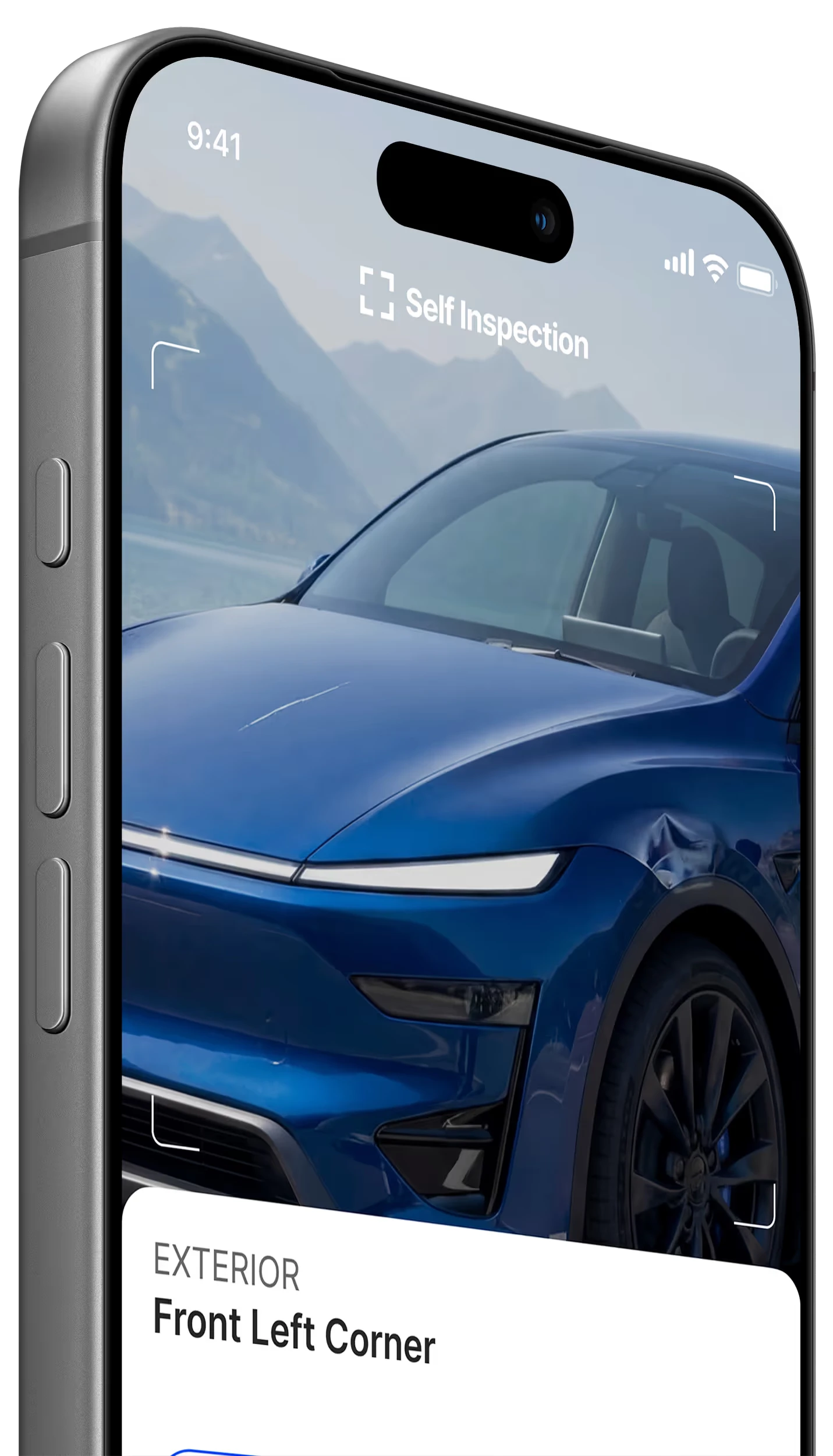
Sellers, or third-party inspectors in premium tiers, run a guided capture at listing creation.
Features built for marketplace listings
One capture flow, one detection model, and the listing records around them: estimates, disputes, distribution, and a history for every vehicle.








Mobile inspections and configurable flows
Consignors or staff capture photos and videos from any mobile phone, with no app or hardware required. Flexible inspection flows automatically generate condition reports and repair estimates, tailored to the vehicles you're selling.

AI damage detection with expert review
Sellers can self-report damages and our AI models detect wear and issues from multiple angles, with 99% verified accuracy after review by our expert inspectors. Buyers get complete, trustworthy vehicle condition reports before purchase.

Photo and video-based estimates for repair
AI instantly estimates repair costs for detected wear or damage using your predefined pricing rules. Buyers and sellers see the true cost impact upfront, enabling more transparent listings, fewer disputes, and smoother transactions.

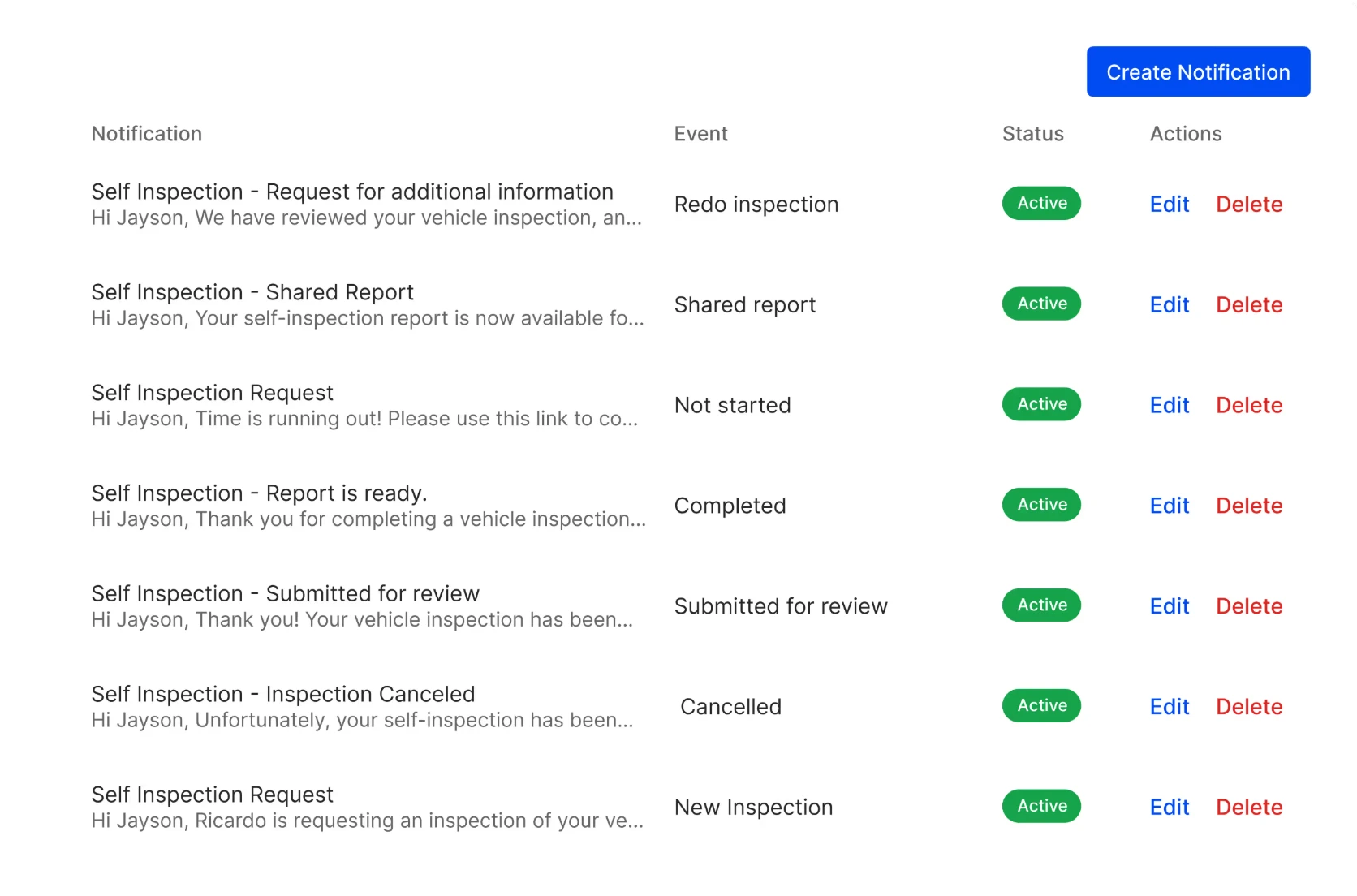
Scheduled inspections and reminders
Seamless consignor communications keep your marketplace moving with real-time notifications and alerts for new inspections, condition updates, and pending approvals.

Dispute management
Access photo-verified evidence instantly for any return or arbitration, with no guesswork and no manual follow-up.
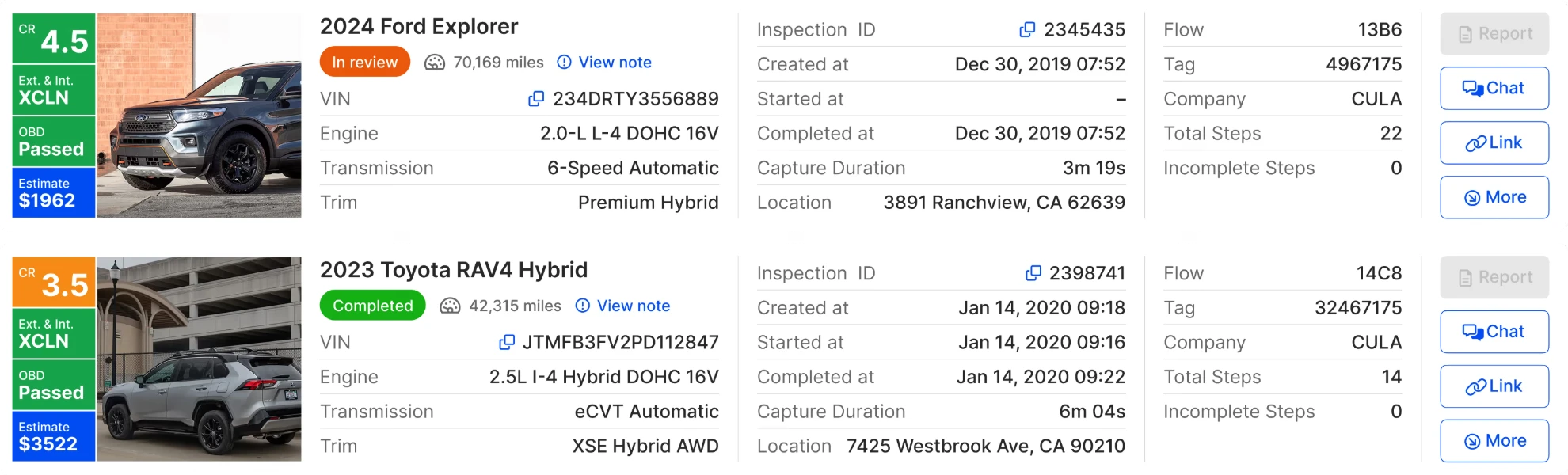
Verified listing distribution
Distribute verified, inspection-backed listings across marketplaces.
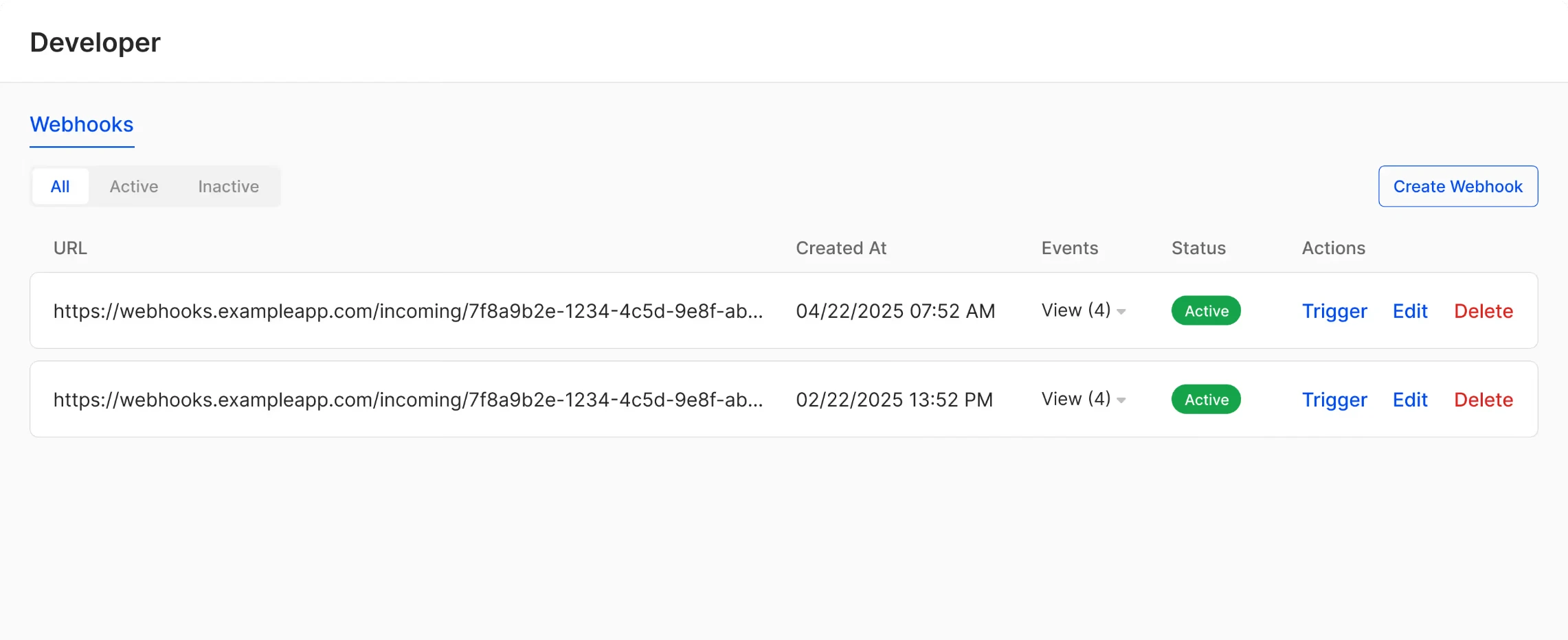
Partner and API integrations
Integrate Self Inspection directly into your platform workflows. Data flows automatically to your CMS, CRM, or transaction system.
Auditability and history
Every inspection and photo is time-stamped and stored, creating a tamper-proof vehicle history.
100%
Of findings checked by a certified expert before the report is released
1–5
The CR Score, prominent on the listing and available as a search filter
15s
For a buyer to check the score instead of asking for more photos
What goes into the listing
Five fields, all machine-readable, all arriving through the API rather than through a seller typing a description.
Marketplace economics impact
Three groups change behavior, and the platform's numbers move because of it.
Bids move closer to actual market value because the risk premium for unknown condition shrinks to the residual uncertainty in the report itself. Post-purchase returns fall for the same reason: the most common cause of a return is a condition surprise, and a surprise requires something to have been unknown.
Sellers realize higher prices on clean units because buyers stop pricing them as if they might be rough. That changes what sellers choose to list and where, which is the mechanism by which condition transparency pulls better inventory onto a platform rather than driving it away.
Higher GMV per listing, a higher take rate per transaction, and lower dispute volume - the last one mattering most, because disputes consume operations staff at a rate that scales with volume while the inspection cost per unit does not.
Each verified listing makes the next buyer marginally more willing to bid without asking for extra photos, and each cleared transaction makes the next seller marginally more willing to list their better units. Neither shift is dramatic in a single week; both are visible in a quarter of listing-to-sale conversion data, which is where the case for inspecting the whole catalog rather than a premium slice of it usually gets made.
Capture models
Three capture models, one report format. All three produce the same standardized condition report and the same CR Score, verified the same way.

The seller - usually a dealer on a wholesale platform - runs the capture at listing creation. It costs the marketplace nothing per unit in inspector time, which is what makes it viable at the volumes a large platform actually lists. The guided flow rejects unusable photos at the point of capture, so the quality of the evidence does not depend on the seller's diligence.




“They needed a faster, standardized smartphone capture workflow that could run uniformly at every counter - while keeping damage assessment and repair-cost estimation as an internal task.”


“AI-driven Self Inspection cut their lease-end turnaround times by ~50%, with self-inspections completed in approximately 10 minutes via smartphone.”


“They turned on every Self Inspection capability - visual capture, AI damage detection, and outsourced repair-cost estimation - on day one.”
See it on your own vehicles
No credit card. No lengthy onboarding. See it in action in 20 minutes.
FAQ
Sellers (or third-party inspectors, in premium tiers) use Self Inspection at listing creation. The AI detects damage, an expert verifies findings, and a standardized condition report with CR Score is generated within minutes. The report's data - score, damage list, photos, cost estimates - flows into the marketplace listing automatically via API.
Without verified condition data, buyers discount their bids to account for unknown risk, and sellers in good faith get penalized by that buyer skepticism. Standardized reports break the cycle: buyers trust the data and bid closer to market value, sellers realize higher prices, and the marketplace earns on more transactions because more listings convert.
Yes. Most marketplace volume runs on seller-driven inspections - the seller (typically a dealer in wholesale-focused marketplaces) uses Self Inspection at listing creation. The guided capture is designed for non-experts, and the AI rejects bad photos and prompts re-capture, so seller-driven inspections are as accurate as inspector-driven ones.
Yes. Marketplaces offering premium tiers (typically for higher-value units) often deploy a third-party inspector using the same browser-based capture flow. The workflow is identical - the difference is who's doing the capture. Marketplaces sometimes charge a higher commission on inspector-driven listings to cover the cost.
Yes. The CR Score is a standardized 1–5 rating, which makes it ideal as a search filter (e.g., “show me vehicles with CR Score 4.0 or higher”). This is one of the highest-value uses of the score from a marketplace perspective - it gives buyers a way to filter for condition without trawling through individual listings.
Yes, materially. Verified condition data gives buyers an accurate picture of what they're bidding on, which reduces the most common cause of post-purchase disputes (“the vehicle's condition wasn't what was advertised”). Photo evidence per damage finding makes any remaining disputes resolvable quickly with clear data, not he-said, she-said.
Self Inspection's API and webhooks let inspection data flow directly into your listing system. Common integration points include: VIN-keyed listing creation, condition photo set auto-population, CR Score sync to listing metadata, and the listing updates when a re-inspection completes. Custom integrations are available on Enterprise plans.