

Lease-End Inspections and Remarketing: A Guide for Lessors
Lease end is one of the hardest parts of running a leasing business, especially when returns come from both corporate fleets and individual drivers. As the lessor, you own the vehicle, so every day between return and resale adds depreciation, storage and insurance costs.
Your goal is to protect the residual value you forecast, as the vehicle moves from return to dealer to auction. Auto finance companies are already good at forecasting residual value. But there are still gaps between the forecast and the final sale price, and condition is the part you can control.
The fix is a consistent condition record, from the lease return inspection to the final sale. That way each vehicle is remarketed at the best price, and your company doesn't absorb extra costs or lose profit along the way.
“Beware of little expenses; a small leak will sink a great ship. — Benjamin Franklin”
Where residual value leaks at lease end?
Residual value is the price you predicted, at the start of the lease, for the vehicle at lease end. You usually set it as a percentage of MSRP. The lessee pays for the drop in value over the term.
Every handoff can move that number. These include:
- the damage that isn't billed to the lessee
- the days on a lot waiting for a decision
- a thin condition report that makes buyers bid low.
You can't control the used vehicle market. You can control how well condition is documented at return, matched at grounding and shared with buyers.
What happens before remarketing?
Off-lease remarketing starts before the vehicle comes back. These steps decide what you can charge the lessee and how fast you can sell.
- Notify the lessee. Confirm their plan: buy out, return or trade in.
- Schedule a lease return inspection. Inspect the vehicle in the 60-90 days of the lease, so the lessee knows about any charges and can fix damage first.
- Take the vehicle back. The lessee returns it to your lot or a dealer in your network.
- Complete the grounding inspection. The receiving dealer checks the car in (mileage, keys, odometer statement) and condition, and an independent inspection or verified self-capture records condition.
Most disputes start when the return inspection and the grounding inspection don't match.
Two lease-end remarketing paths
Every buyer after the grounding inspection relies on its record.
Choose upstream or downstream
Once the vehicle is grounded, it's sold through one of two channels: upstream or downstream. Both sell to dealers. The difference is when and where. The faster you route each vehicle, the less you lose to holding costs.
Upstream: selling before auction.
The grounding dealer usually gets the first chance to buy, since the vehicle is already on their lot. If they pass, it's offered to other dealers through an online upstream sale, often run by the lessor or a remarketing partner. Upstream is fast and cheap: the vehicle often doesn't move, and fees are lower. But dealers are buying without seeing the vehicle in person, so they only pay full price for condition they can trust. A thin report means they pass or bid low.
Downstream: selling at auction.
Vehicles that don't sell upstream go downstream to wholesale auction, physical or digital. The buyers are still dealers, just a much larger pool of them.
You reach more bidders, but pay in time, transport and auction fees. Bidders rely on the condition report and photos, so a weak report shows up in the price. Damage the report missed can also come back as an arbitration claim.
Why reliable vehicle condition data matters
The lessee, the dealer and the auction buyer all ask the same question: what shape is this vehicle actually in? Too often, they get different answers.
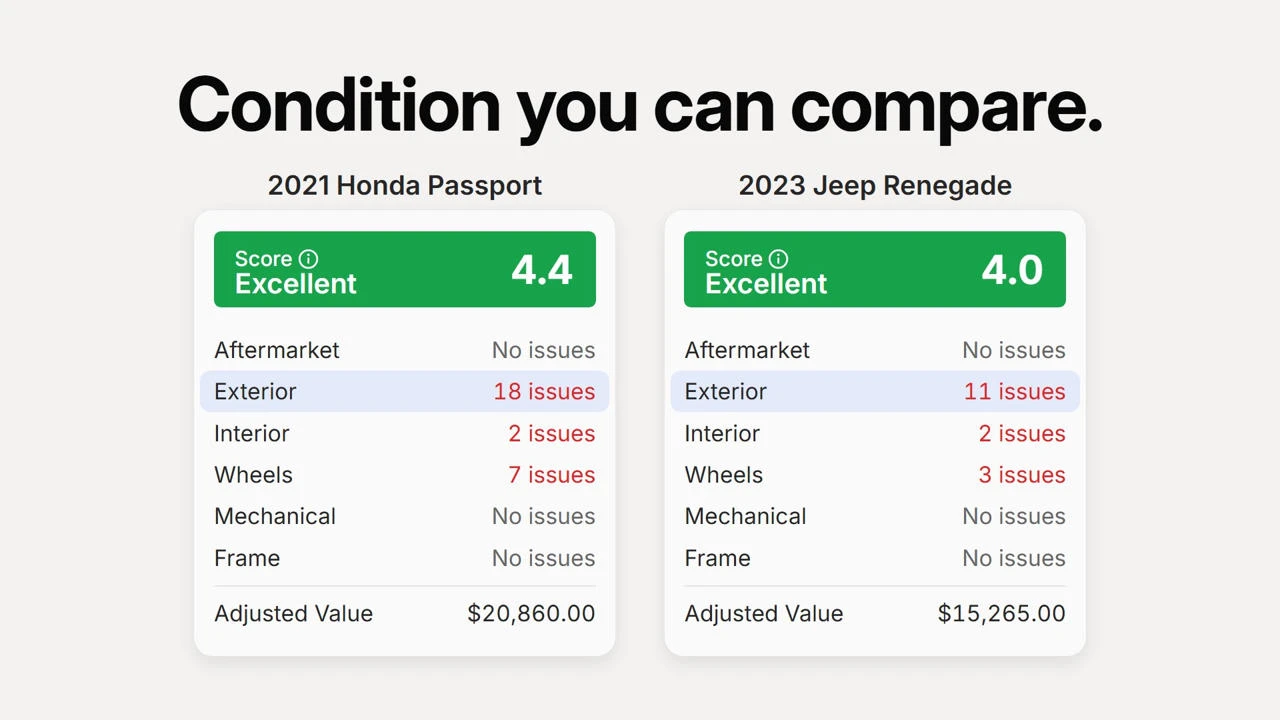
Manual walkaround inspections can take up to 30-45 minutes per vehicle and results vary by inspector. A phone photo isn't proof. A verified, timestamped record is.
Weak condition data costs you three ways:
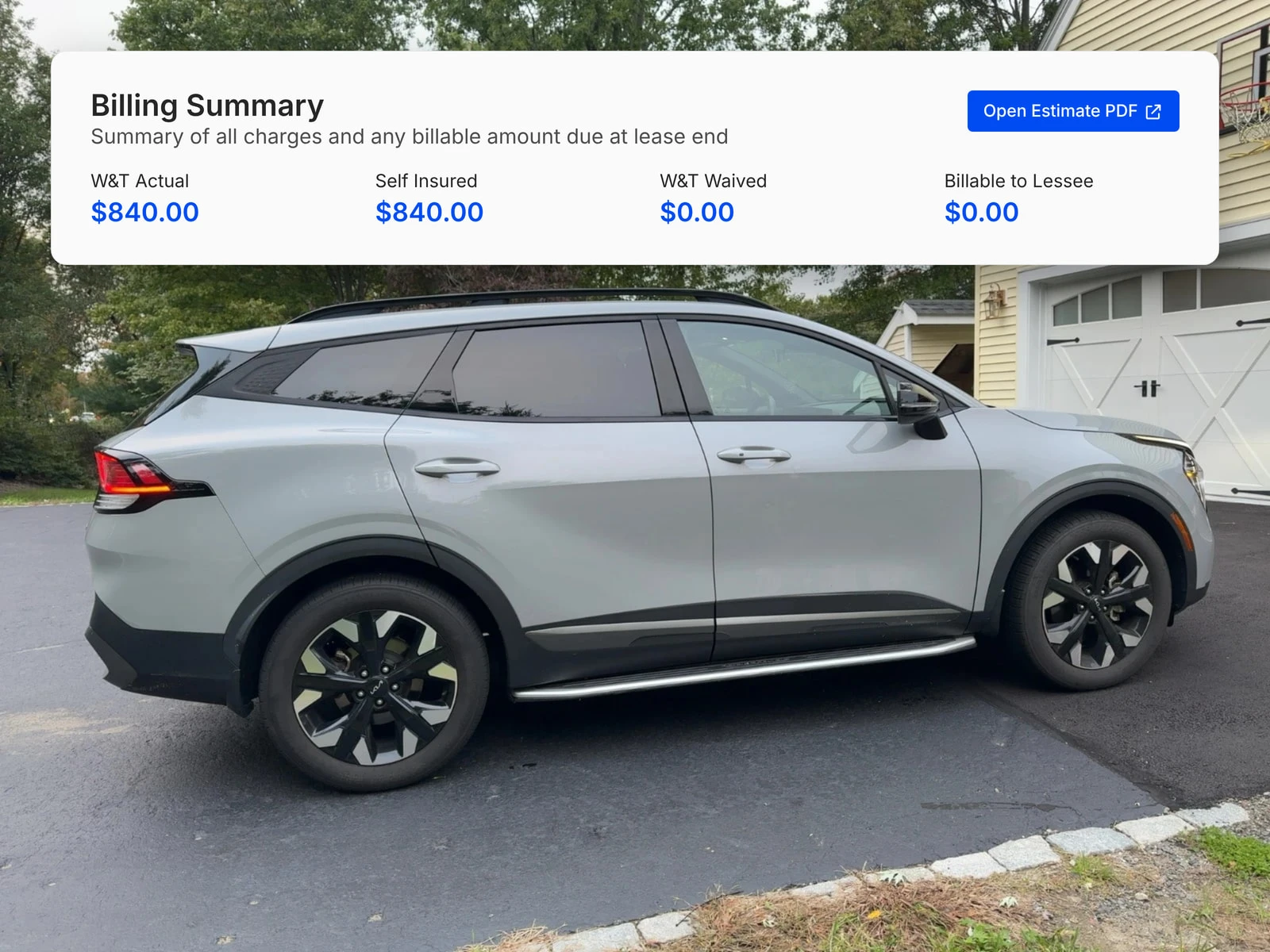
- Excess wear-and-use charges. Damage you can't prove, you can't bill.
- Time. Re-inspections and disputes add days of holding cost.
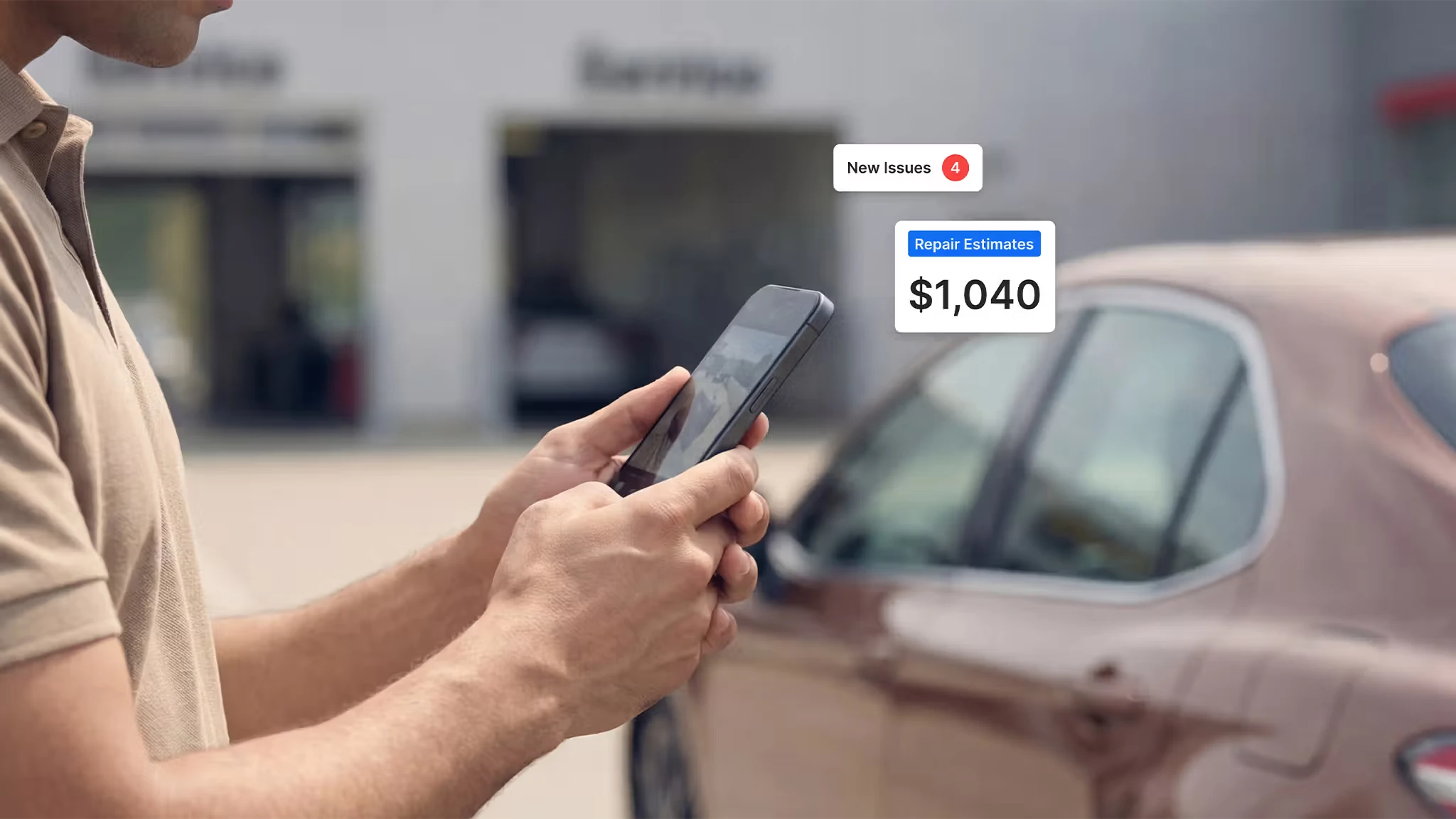
- Price and arbitration. Buyers discount what they can't see. Worse, damage missing from an auction condition report gives the buyer grounds for an arbitration claim after the sale. That means a price adjustment, or the vehicle sent back to you.
Vehicle history went from scattered paperwork to a standard part of every sale. Vehicle condition is going the same way. Lessors who build a consistent condition record now will remarket with more confidence.
Electric vehicles add another layer. For a returned EV, battery health is a big part of what the vehicle is worth, and condition records will need to account for it.
How Self Inspection fits into lease end
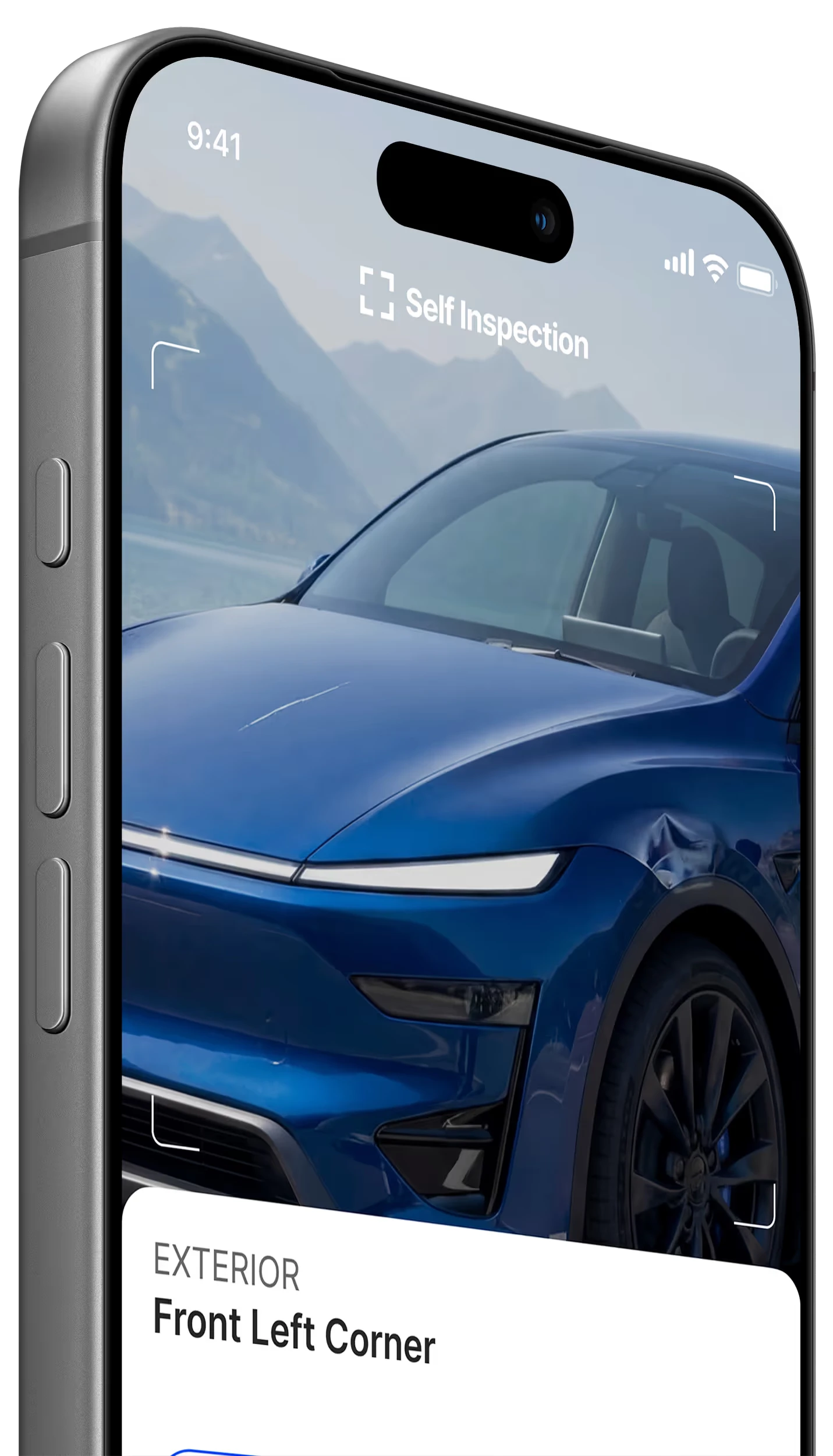
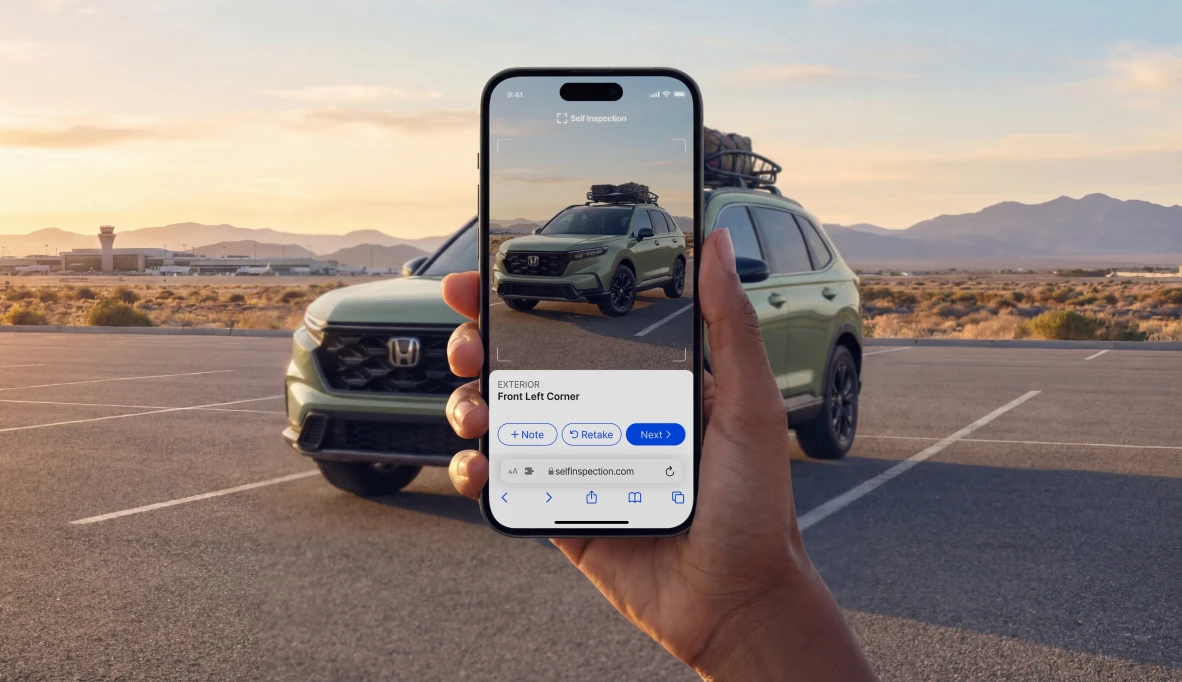
Self Inspection is a Vehicle Condition Intelligence Platform that captures, verifies, analyzes, and shares trusted vehicle condition data using AI. For lessors, that means one record from pre-return to resale.
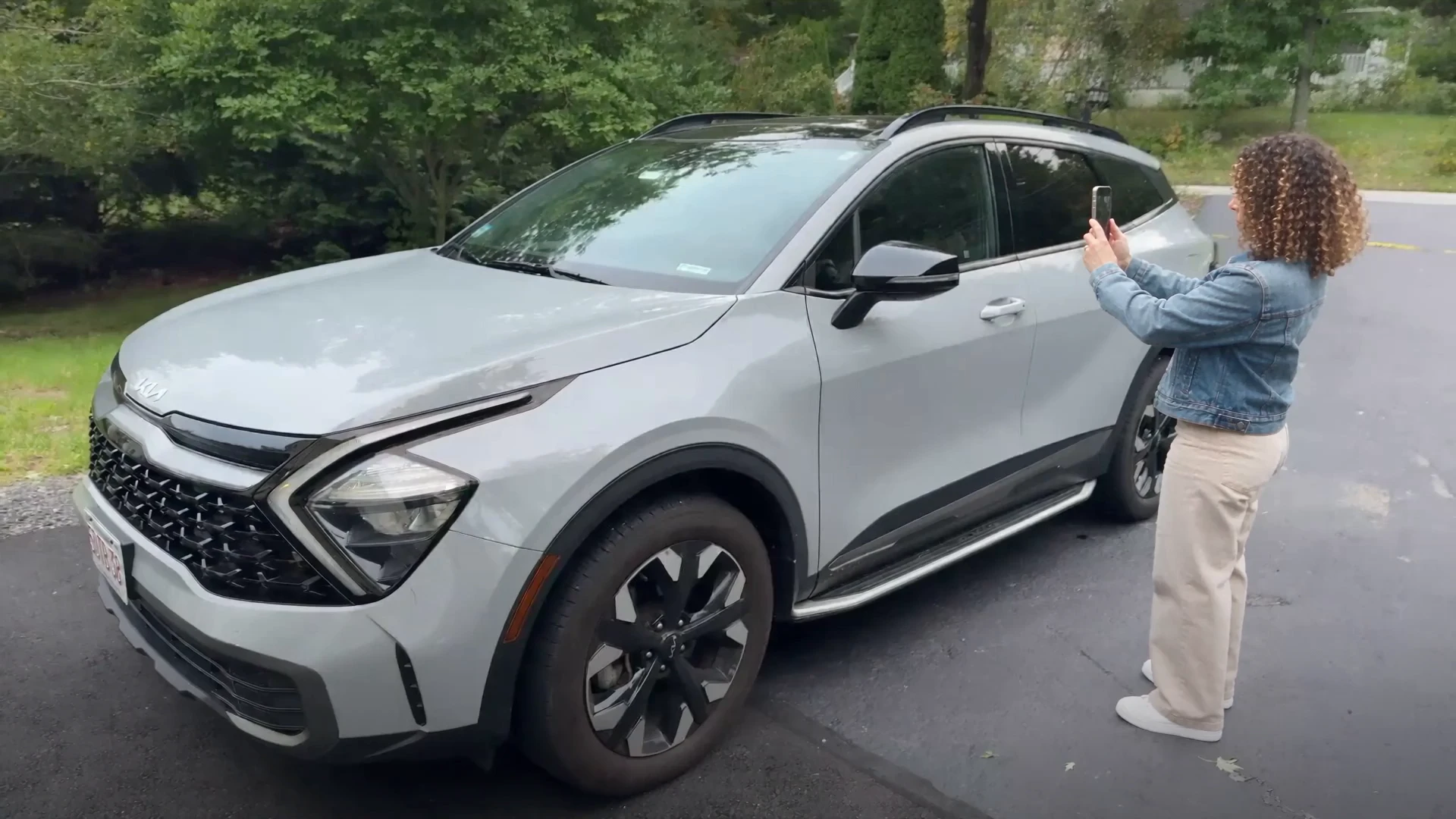
- Capture. Lessees or dealers complete a guided mobile inspection in minutes. No app, no inspector to schedule.
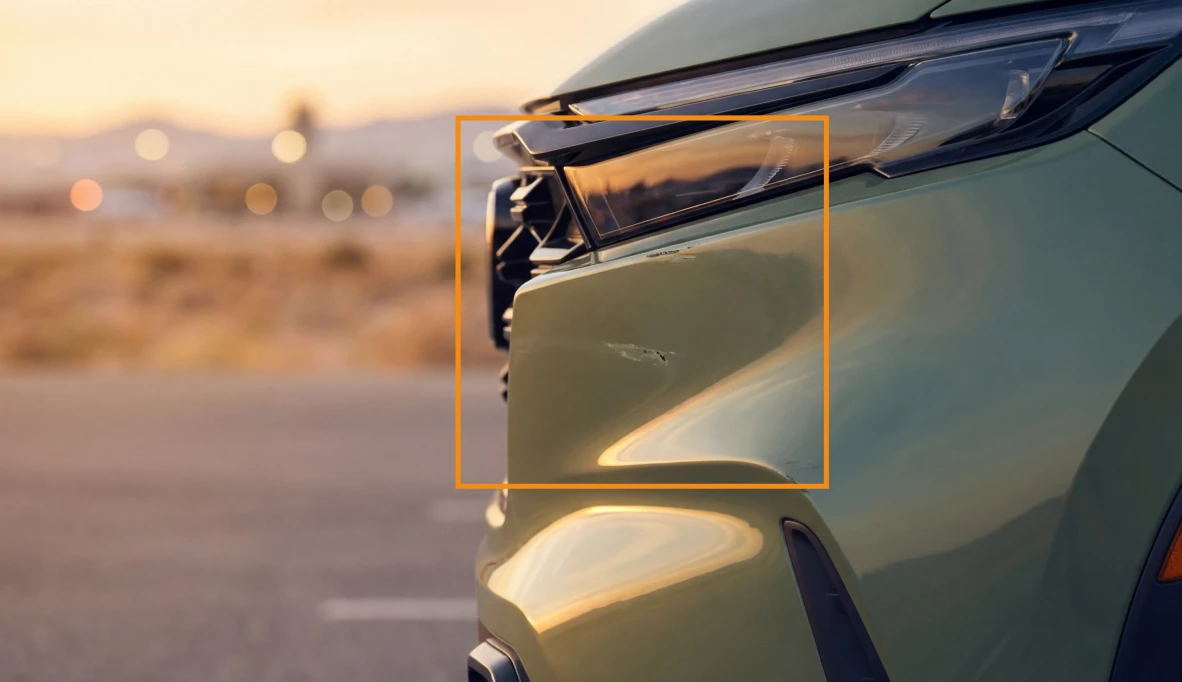
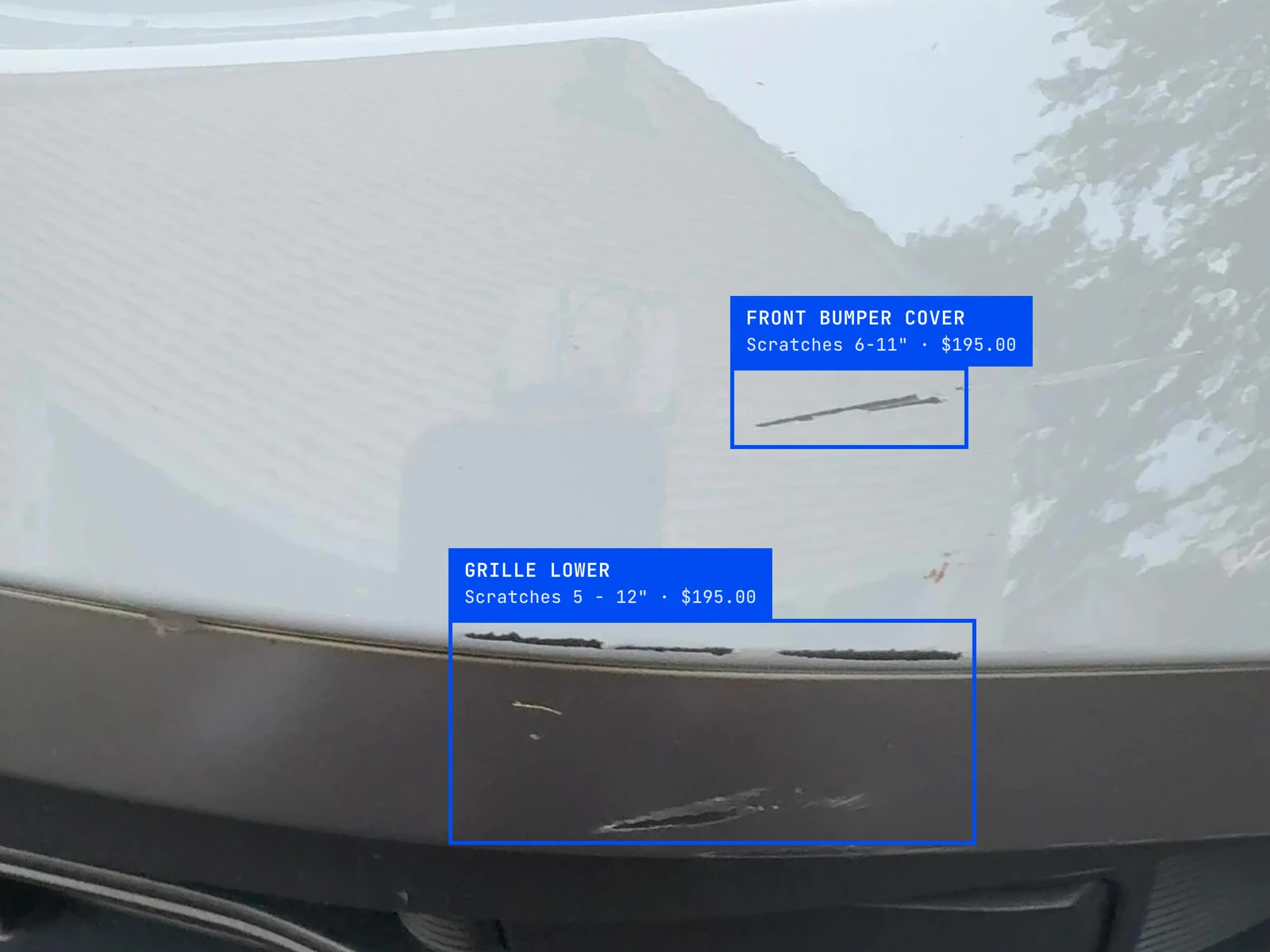
- Verify. AI identifies, classifies and estimates damage, and certified experts review the results. Every record is timestamped, so you have evidence in a dispute.
- Analyze. Compare the return and grounding inspections, and track condition across your portfolio.
- Share. Your team, the dealer and your remarketing channel all see the same record.
More than one million inspections have been completed on the platform. Learn more about our lease-end inspection software.
Key takeaways
Residual value is set at the start of a lease but protected at the end. A consistent lease end inspection helps you bill the right charges, avoid disputes and sell faster.
Resources
FAQ
A check of a leased vehicle's condition, mileage and equipment at return. Lessors use it to bill excess wear and to price the vehicle for resale.
A lease return inspection happens before turn-in. A grounding inspection happens when the dealer takes the vehicle back. Ideally, both match.
Selling a returned lease vehicle: to the grounding dealer, to other dealers online, or at auction.
Buyers pay for conditions they can trust. Missed damage or a weak report means a lower price or a lost chargeback.
Guided self-capture, verified and timestamped records, consistent damage assessment, and easy sharing with remarketing partners.
Ready to get started?
Streamline lease returns, reduce disputes and accelerate remarketing readiness - all from one simple platform.