
How dealers can buy private-party cars remotely without guessing on condition
The private opportunities dealers keep losing
For years, trade-ins, auctions and lease returns kept used car lots full. Trade-ins are still most dealers’ biggest source of used cars. Many dealers also tried buying directly from private sellers to add volume, but kept running into the same problems: low close rates, sellers who ghost, and fear of fraud.
So most went back to what felt familiar and easier: trade-ins, local auctions and lease returns. But trade-ins depend on how many cars you sell, so they can’t grow on their own. And at auction, the same cars often change hands between dealerships several times before they reach a retail buyer, with fees added at every stop. That cycle repeats in every state.
Buying from private sellers can break that cycle, but only when dealers can trust the deal without seeing the car.
Reasons why remote deals fail
If you’ve tried buying remotely, you know the pattern. A promising lead comes in, you make an offer, and the deal starts falling apart before you even get to negotiate.
You can’t see the car
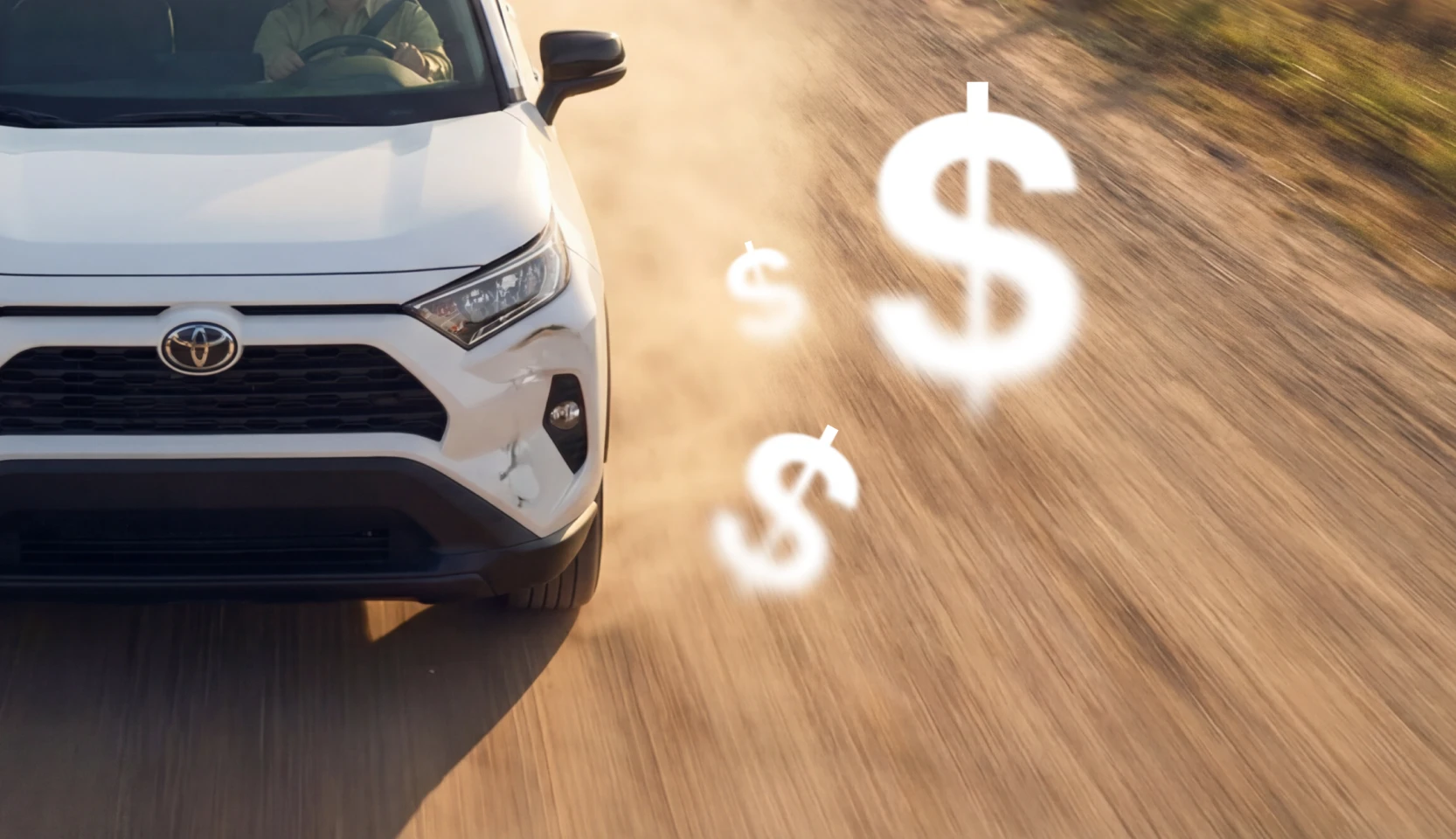
You rely on the seller’s photos. Some are blurry, key angles are missing, and the damage you care about is just out of frame. You price the car as best you can. Then it arrives with a cracked windshield and curb rash on the wheels. Often the seller wasn’t hiding anything. Photos alone just don’t show a car’s condition well.
Sellers ghost you
Many people who ask for an offer simply disappear. Every extra step in your process is another chance for them to lose interest. The longer it takes, the more likely they are to accept someone else’s offer.
Fear of fraud
Fake private sellers, mismatched titles and identity theft all show up in private sales. For years, dealers and lenders avoided private-seller inventory because there was no good way to verify who they were dealing with. Buying remotely, without ever meeting the seller, raises the risk.
You’re stuck buying local
When someone has to see every car in person, your buying area is limited to how far your team can drive. The one-owner SUV two counties away goes to whoever gets there first.
It doesn’t scale
Private party buying is often an extra job for the sales team. That works at a few cars a month. But going from 20 to 100 takes more than extra leads and ad budget. Every manual step becomes a bottleneck.
Put it all together and the problem isn’t finding sellers. It’s trusting the deal.
How an ideal remote purchase process works
Benjamin Franklin once said, “An ounce of prevention is worth a pound of cure.” So if you want to be confident in your remote purchase, there are three things that you have to verify at once:
- The seller. Run a driver’s license check and a face match.
- The paperwork. Confirm the title has no brands (salvage, flood, rebuilt), identify any lien, and confirm the payoff with the lienholder.
- The car. Get a guided condition report from the seller’s phone, tied to the VIN and timestamped, before you settle on a price.
The process should be easy for the seller too. Done this way, distance stops being a problem.
How DealNow tackles these challenges
DealNow was built to solve these challenges. Its goal is simple: give dealers a reliable, safe way to buy from private sellers anywhere in the country.
The process has five stages, and each one closes a specific gap:
- Seller verification. A license check and face match confirm who you’re dealing with. That addresses the risk of fake sellers and identity fraud.
- Vehicle inspection. Condition is checked before price talks. The dealer pays for the car they’re actually getting, and the seller gets an offer based on the car’s real condition.
- Title and payoff. Title brands and liens surface early, and the payoff is confirmed with the lienholder. No surprises after money moves.
- Signing. Purchase documents are e-signed from anywhere, so there are fewer meetings and fewer chances for a seller to drift. Many states still require a wet-signed, sometimes notarized, paper title, so check your state’s rules.
- Fast payment. The seller is paid quickly, and payoffs go straight to the lienholder. A clean, quick payment often wins the car over another offer.
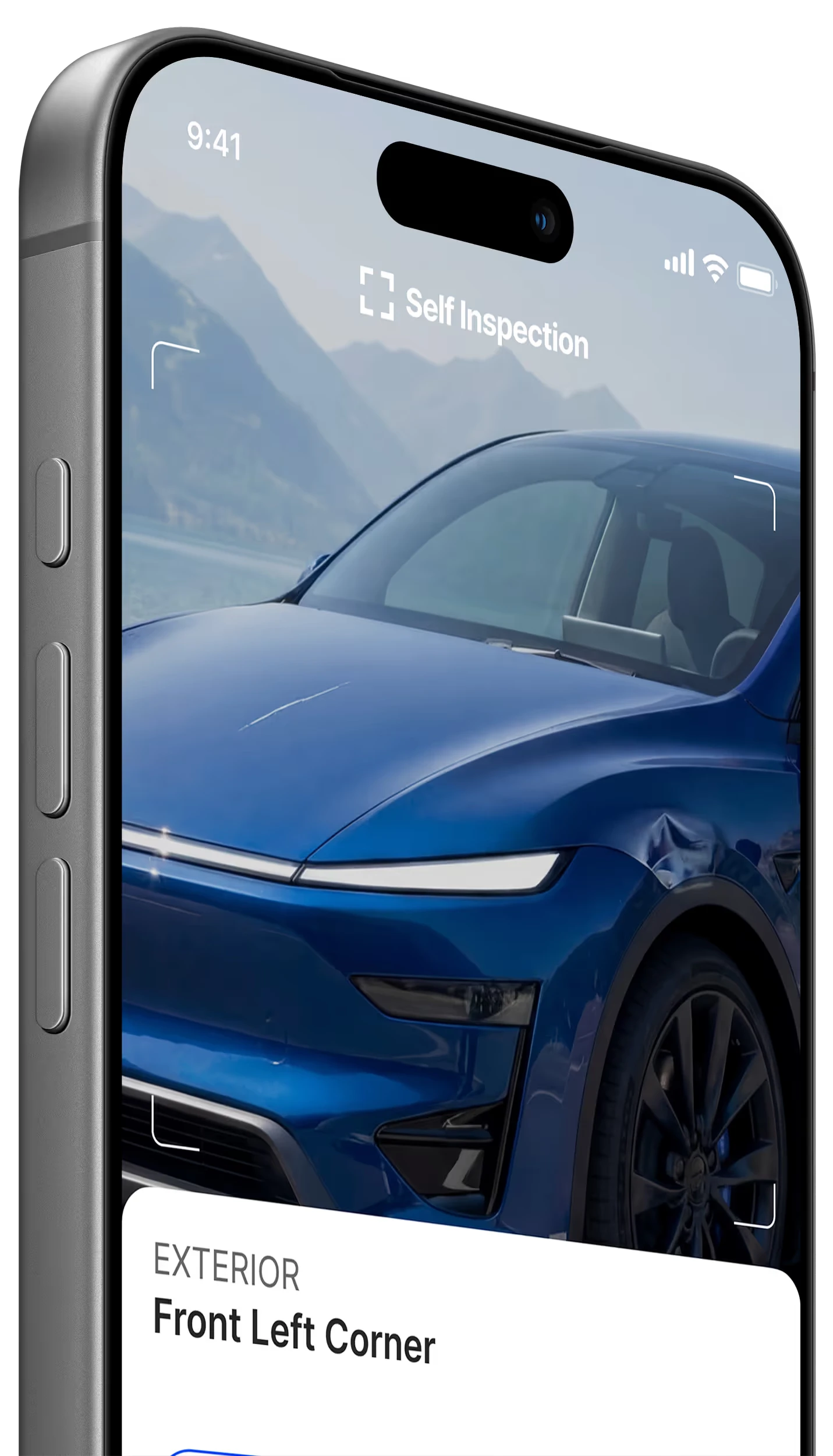
This keeps things fair, because both sides work from the same information. The vehicle inspection step runs on Self Inspection. Here’s how it works.
How a remote vehicle condition check works
Remote condition check will only be meaningful when the same kind of trust can be put into it as a walkaround condition. This is how the remote condition check is done within DealNow, with Self Inspection managing the condition process.
1. The dealer picks the type of check
Choose a photo-based AI inspection, a dealership inspection or a mechanical inspection. Each deal is different.
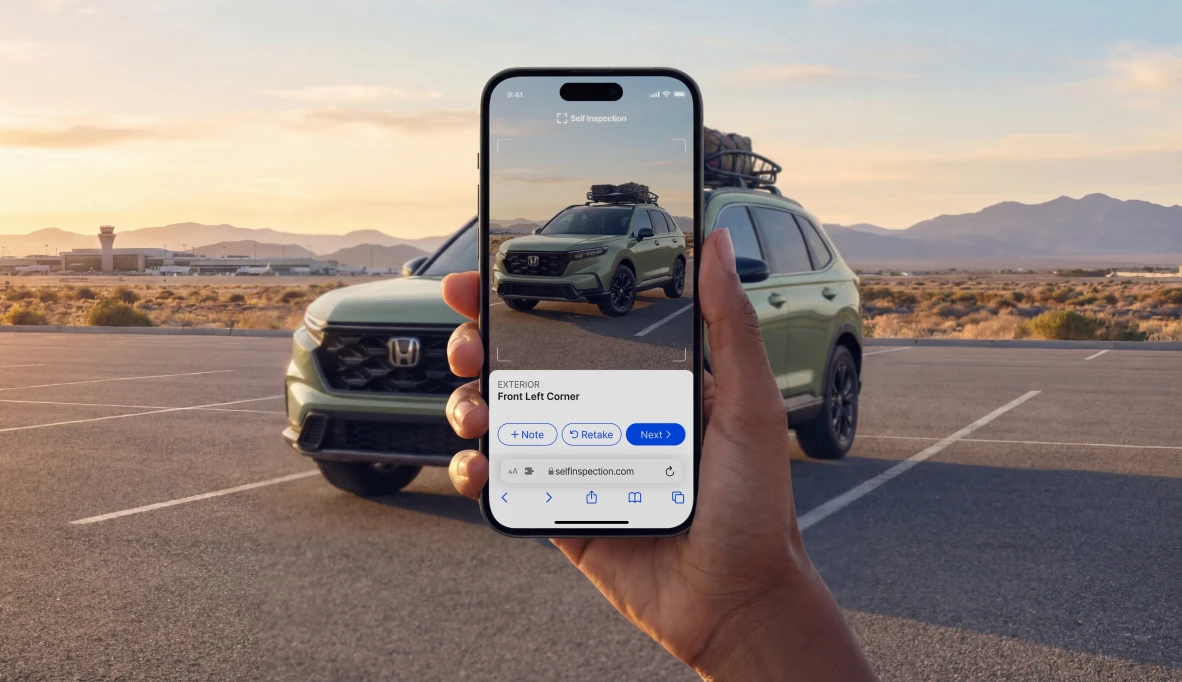
2. The seller completes it on their phone
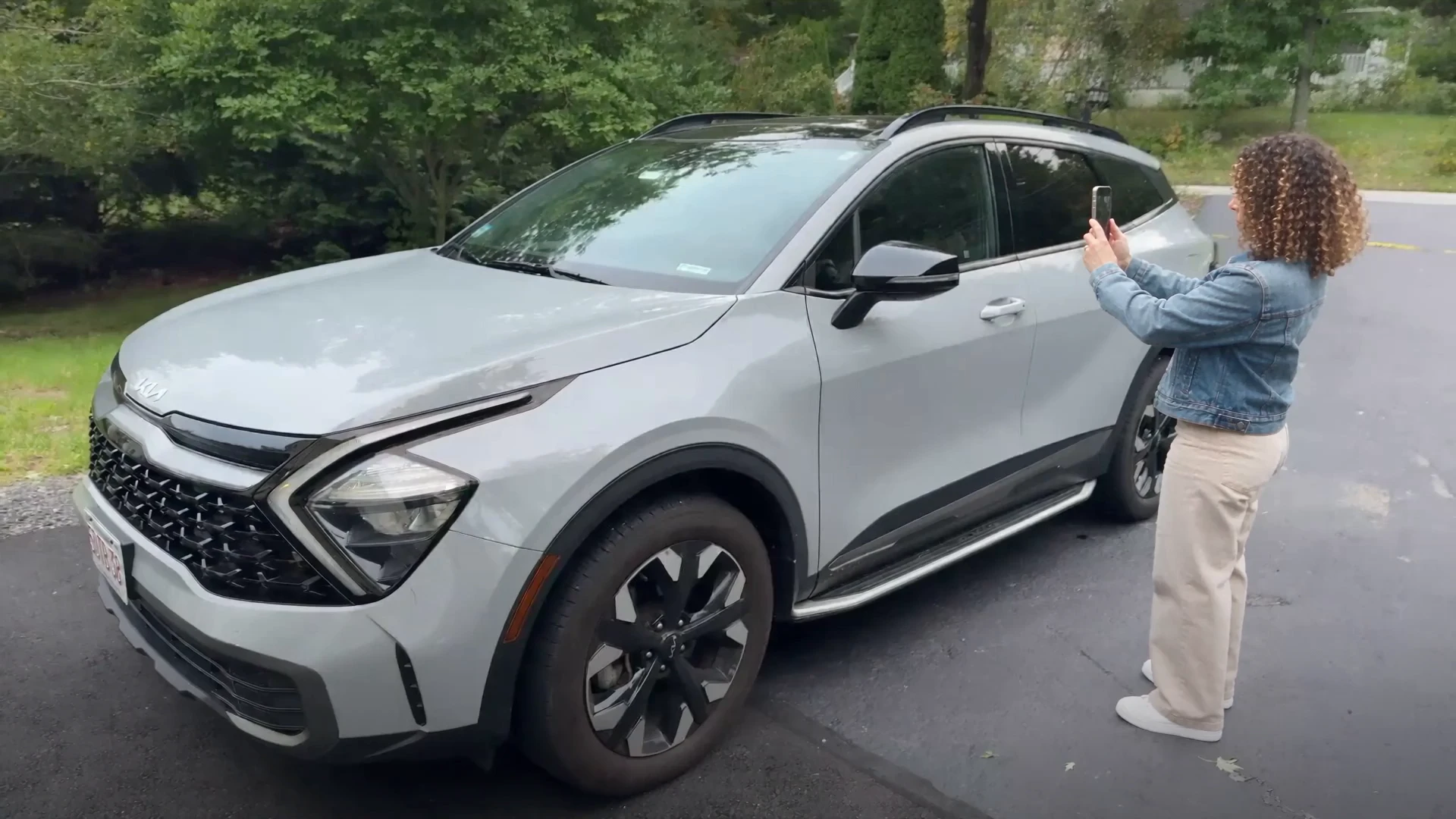
The seller gets a text with a link that opens in their browser. There’s no app to install, so there’s one less reason to drop off.
3. Guided prompts replace “send me some pictures”
The seller is walked around the car one angle at a time. Missing or blurry shots are flagged for a retake.
4. A consistent way to grade damage
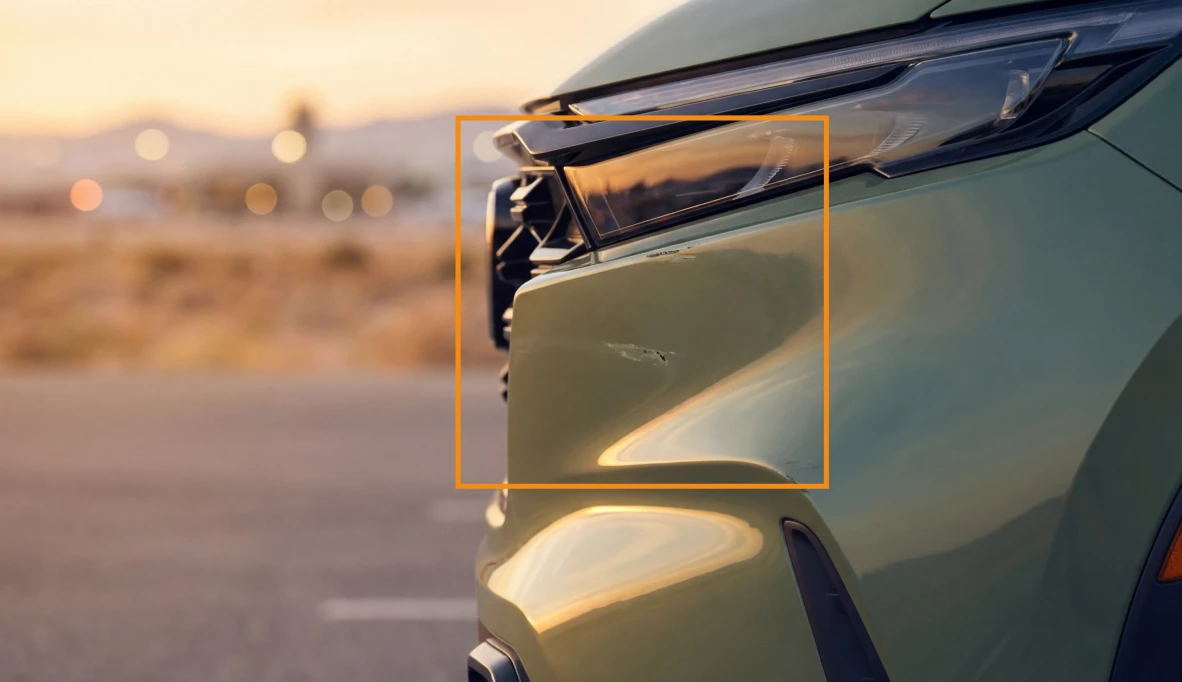
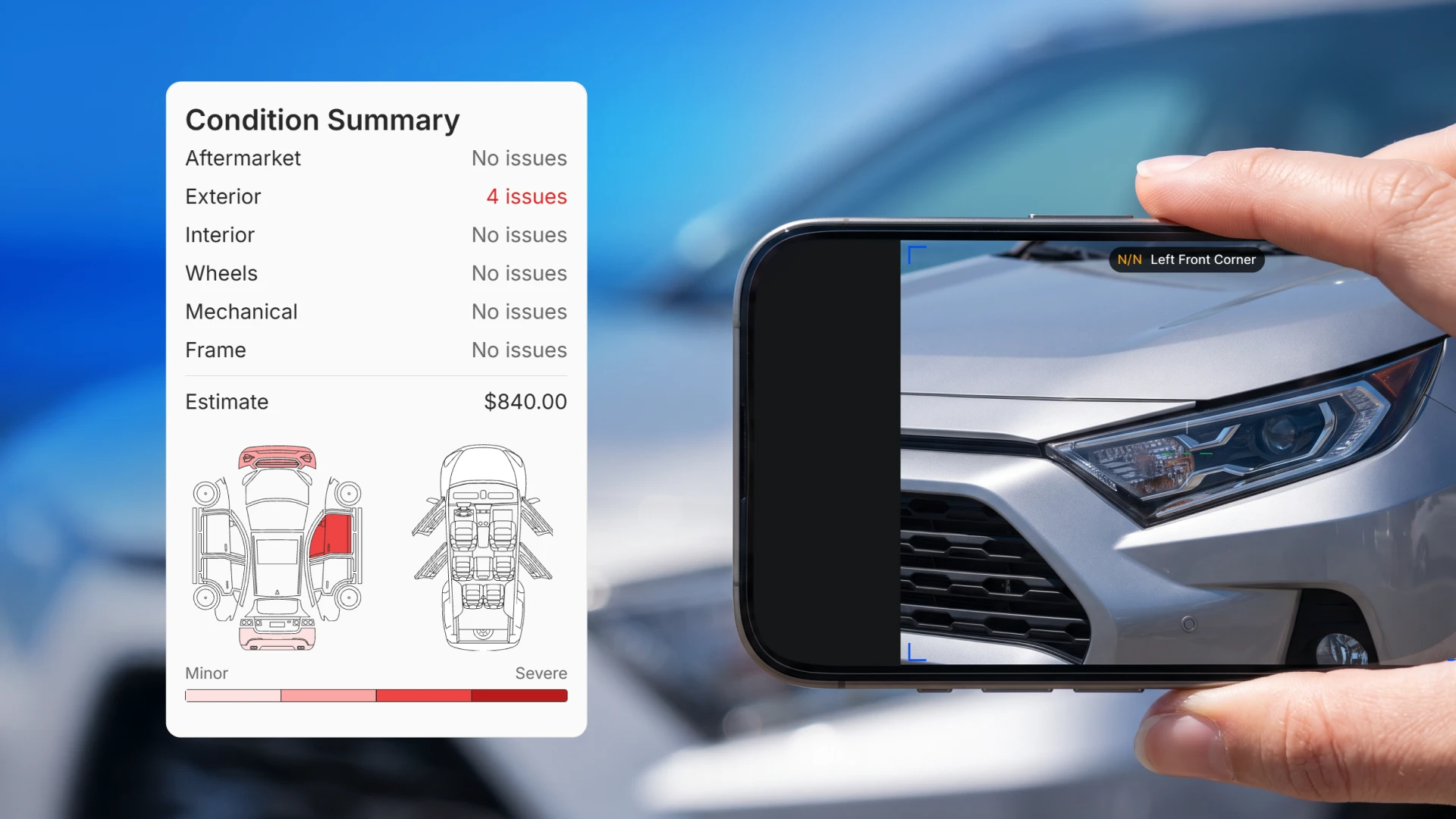
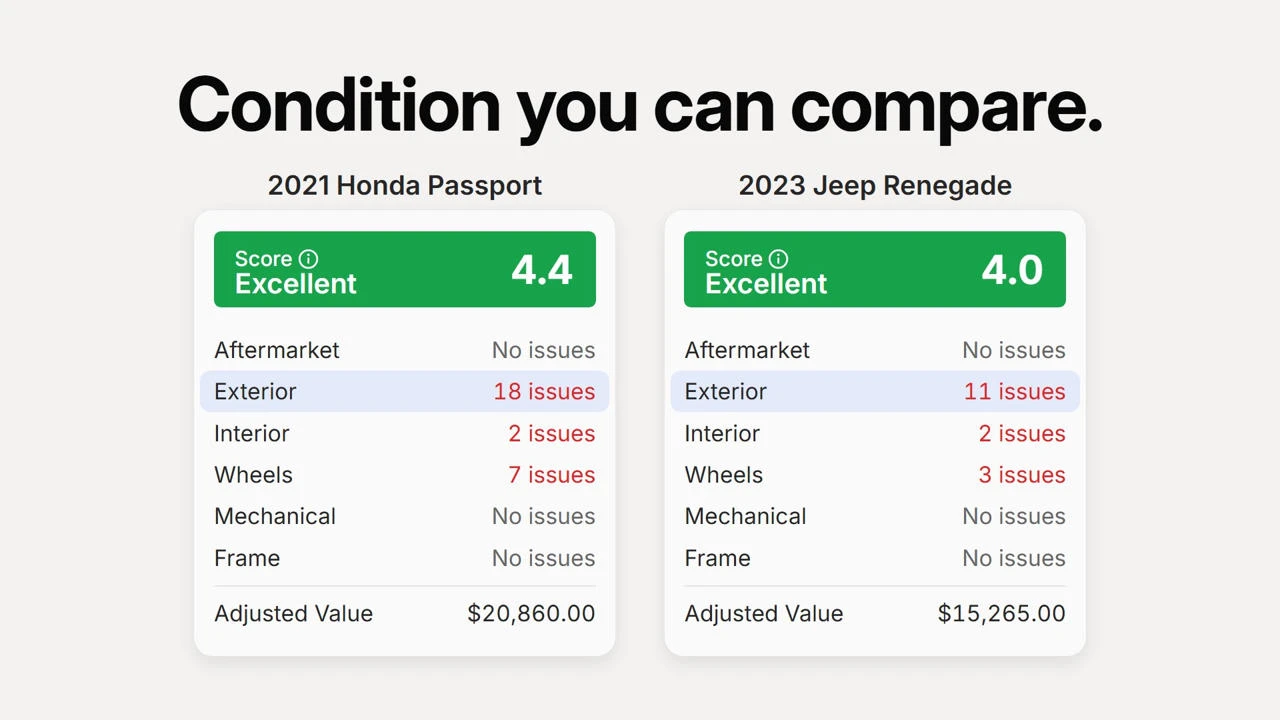
AI detects, classifies and grades damage across more than 6,000 combinations of type, location and severity, and expert reviewers can confirm the findings. Every car gets the same structured assessment, whether it’s nearby or far away.
5. The report is attached before payment
The report is tied to the VIN and timestamped, and each finding links to a photo. Condition shapes the price, and you have a timestamped record if the car arrives different from what you expected.
Things to look out for in any remote inspection
- Guided, required angles
- Retake prompts for missing or blurry shots
- The same damage scale for every car
- A VIN-linked, timestamped report with photos
- AI findings backed by expert review
- Results before you set the price
See it in action
Want to see what your sellers would see? Book a short walkthrough of a full DealNow deal, including the inspection, the seller’s phone experience and a sample report.
Sources
FAQ
Yes. You can complete the whole purchase remotely as long as you verify the seller, clear the title and follow your state's title transfer rules. Rules vary by state, so check with your DMV and compliance team.
Send the seller a guided inspection link. It walks them through every angle, asks for a retake when a photo isn't clear, and creates a report tied to the VIN and timestamped. That's much more reliable than asking for "a few photos."
No. They get a text with a link that opens in their phone's browser.
As little as two minutes.
Yes. You can choose AI, dealership or mechanical inspection on each deal.
Every finding is tied to a photo and a timestamp, so you have a clear record to go back to the seller with.
This flow is built into DealNow deals. Dealers can also use Self Inspection directly for trade-ins and acquisitions.
Seller ID, title and payoff checks, and a documented condition report all happen before payment, in one deal file. Each one closes a gap that fraud usually slips through.
Ready to get started?
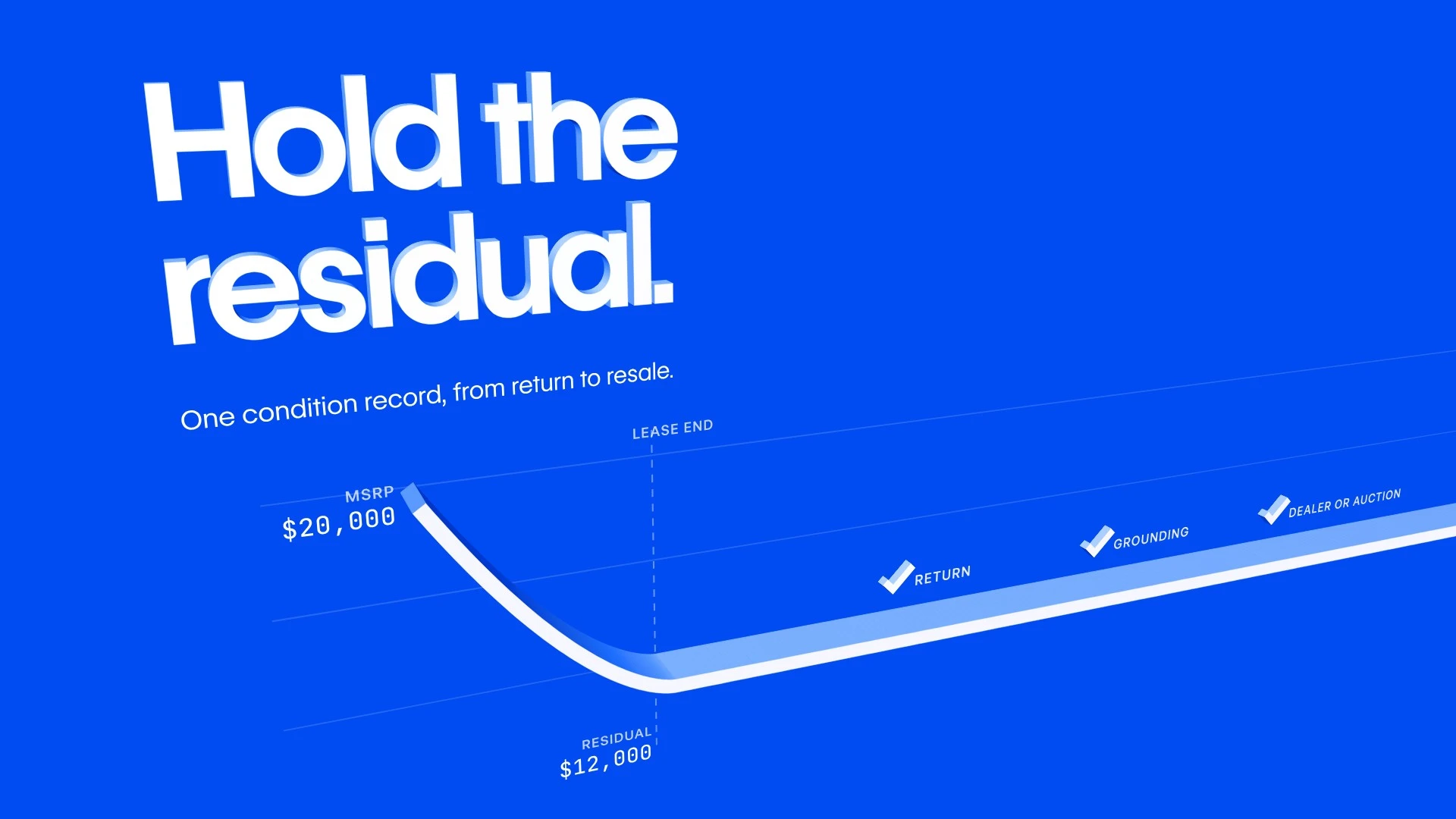
Streamline lease returns, reduce disputes and accelerate remarketing readiness - all from one simple platform.