Fleet vehicle inspection: how to inspect large fleets efficiently
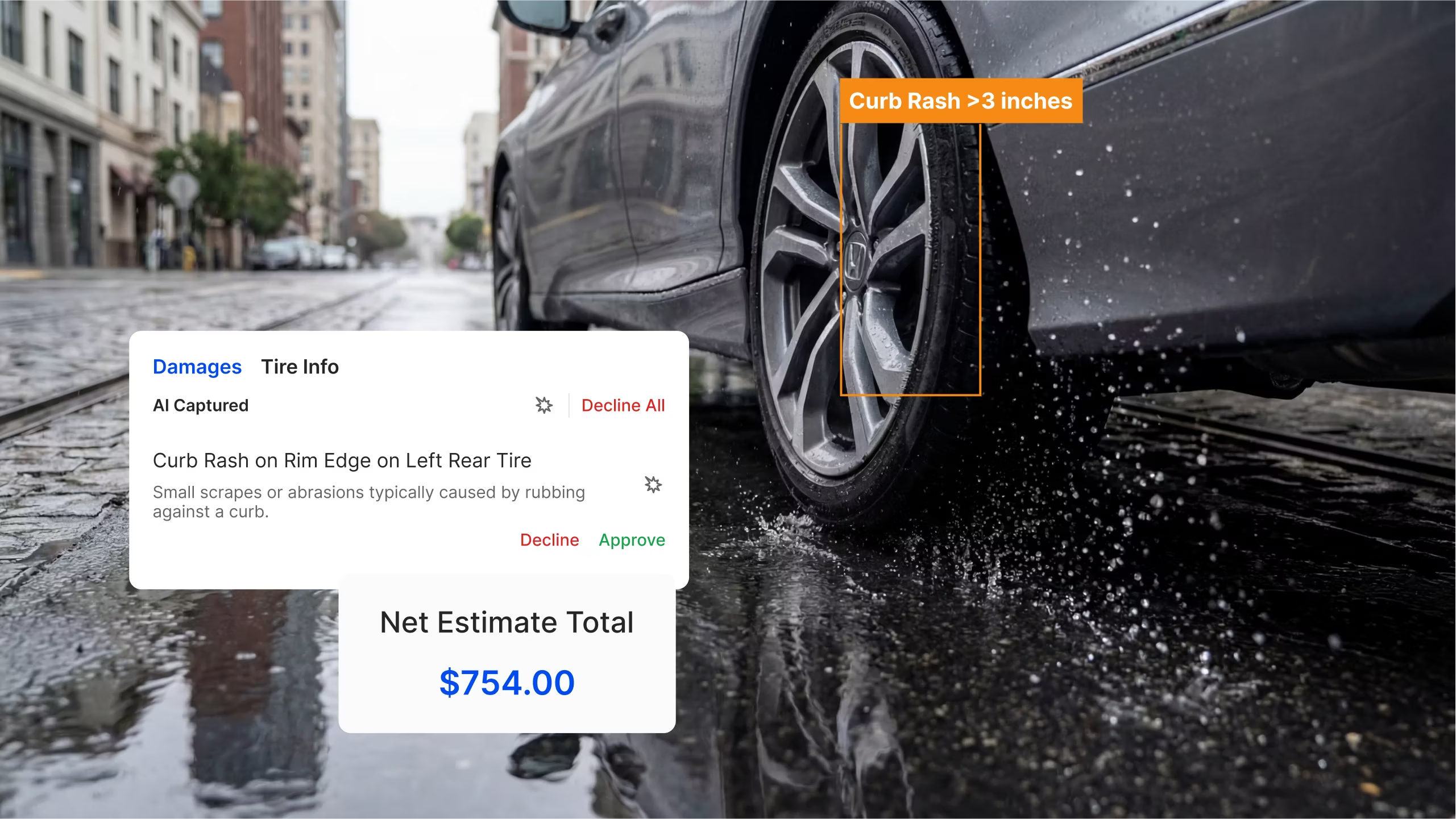
Managing inspections of hundreds of vehicles is one of the biggest operational bottlenecks for fleet-driven businesses. Traditional inspections are slow, inconsistent and expensive.
Modern fleet vehicle inspection requires speed, scalability and accuracy and that’s where AI-powered solutions like Self Inspection transform the process.
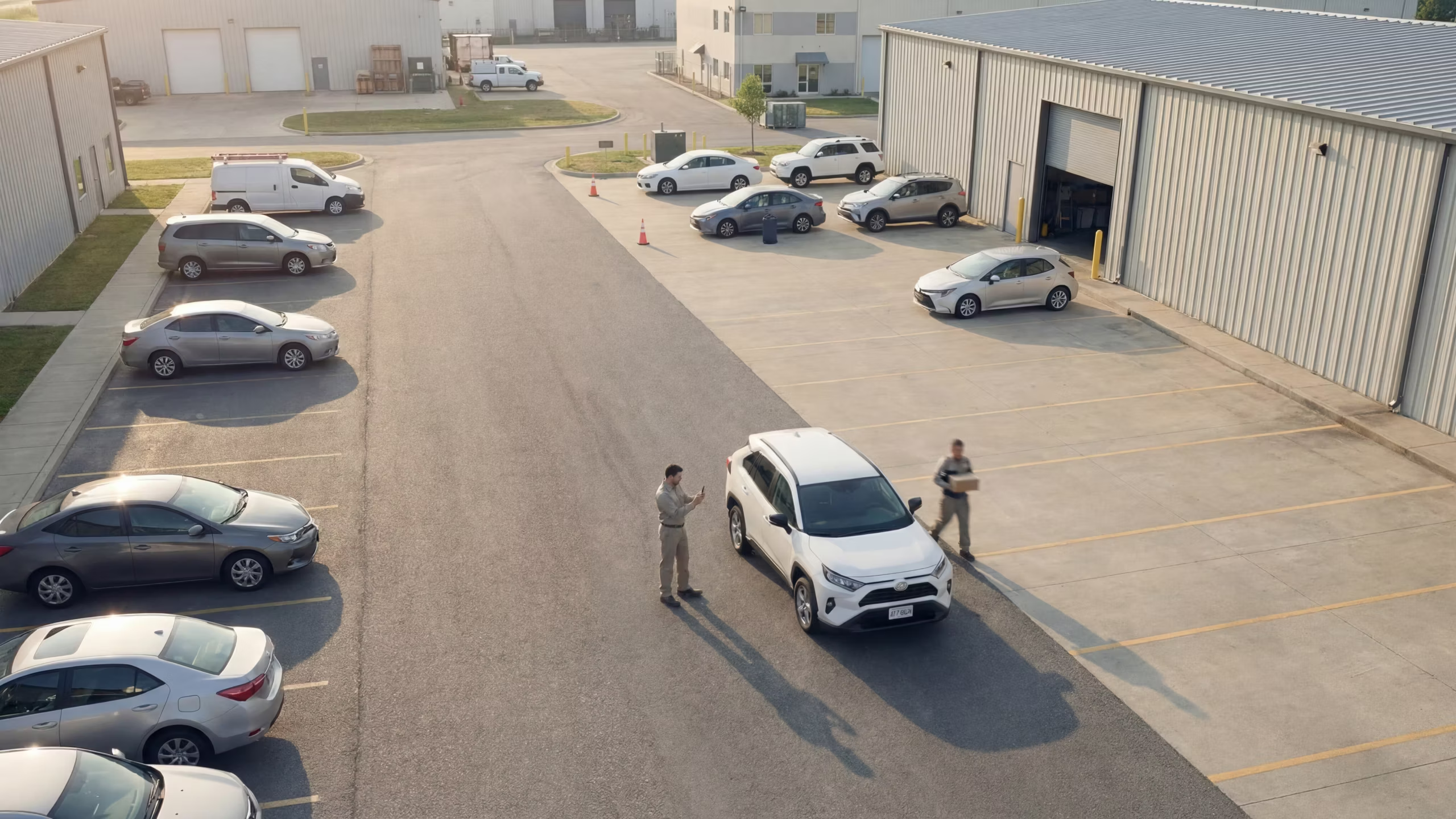
What is fleet vehicle inspection (and why it matters)?
Fleet vehicle inspection is the systematic evaluation of vehicle condition across a group of vehicles, covering exterior, interior, tires and mechanical components. For industries like rentals, logistics, leasing and dealerships, inspections directly impact:
- Asset value retention
- Risk and fraud prevention
- Compliance and documentation
- Customer trust and dispute reduction
And the main challenge with manual inspections is that they don’t scale as your fleet grows.
The biggest challenges in large fleet inspections
What makes the best vehicle inspection solutions for fleets?
To efficiently manage large fleets, inspection solutions must deliver:
1. Speed & scalability
- Inspect hundreds of vehicles simultaneously
- Eliminate scheduling delays
2. Accuracy & consistency
- Standardized inspection workflows
- AI-driven damage detection
3. Cost efficiency
- Reduce dependency on on-site inspectors
- Lower operational overhead
4. Real-time reporting
- Instant condition reports
- Centralized dashboard visibility
5. Mobile accessibility
- Inspections performed via smartphone
- No specialized hardware required
Where do traditional fleet inspections fall short?
Traditional inspection models rely heavily on physical presence and manual documentation.
This leads to:
- Delayed reporting
- Missed or misclassified damage
- Higher labor costs
- Limited scalability
For large fleets, this approach simply doesn’t keep up with operational demands.

How AI is transforming fleet vehicle inspections?
AI-powered inspection platforms bring automation, speed and precision to fleet operations.
Key capabilities of AI-based inspections:
- Automated damage detection across thousands of images
- Standardized inspection workflows
- Real-time condition reports
- Scalable inspection processes
This shift is why AI-driven solutions are now considered the best vehicle inspection solutions for fleets.
How Self Inspection solves large fleet inspection challenges?
Self Inspection is built specifically to handle large-scale fleet operations with speed and accuracy.
1. Inspect any fleet: anywhere, anytime
With a simple smartphone workflow, users can complete inspections without scheduling:
- No on-site visits
- No delays
- Fully remote inspections
Result: Inspect entire fleets in hours instead of days.
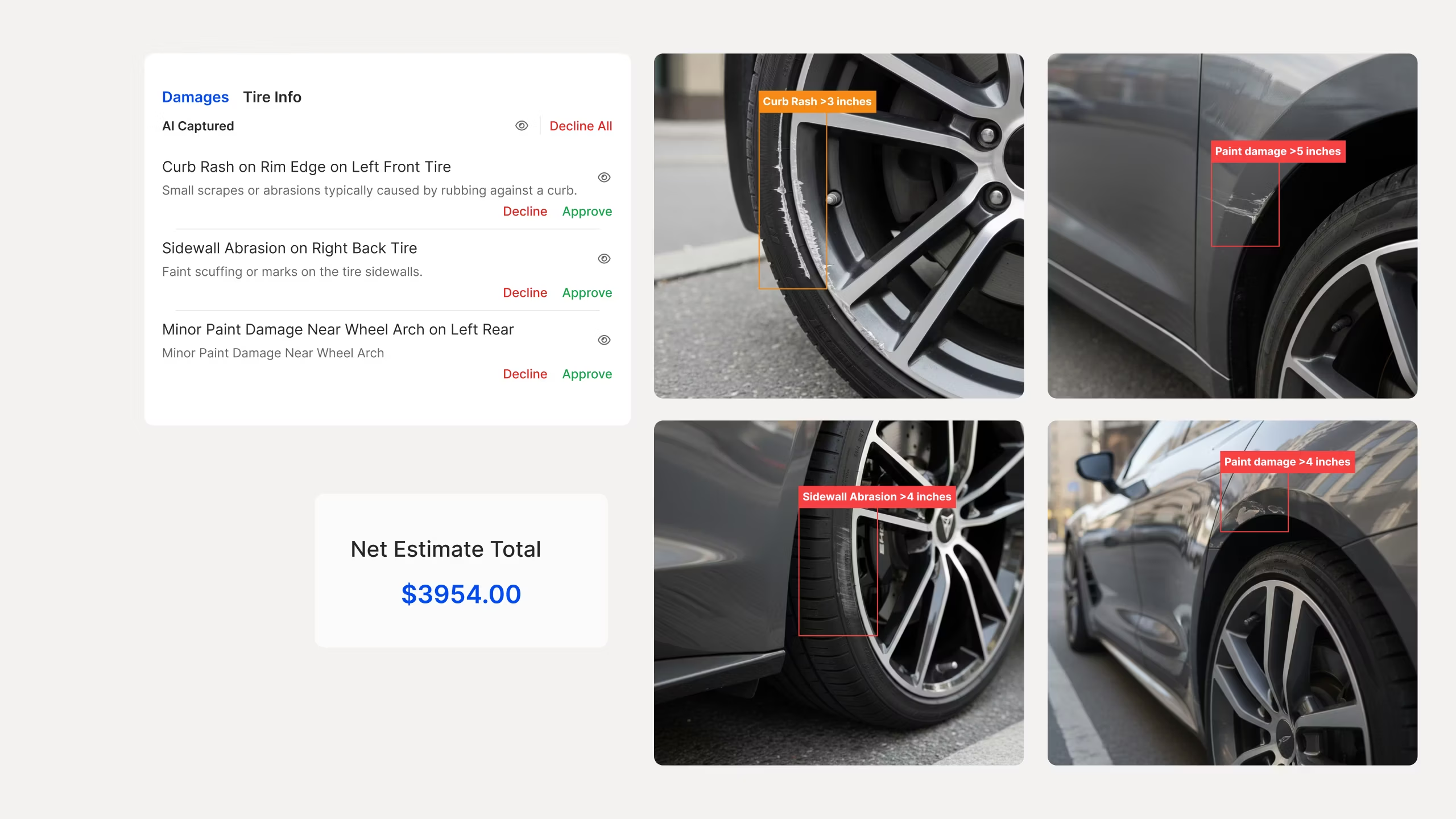
2. AI-powered damage detection with expert validation
Self Inspection combines AI with human expertise:
- Detects over 6,000 damage types
- Validated by automotive experts
- Generates highly accurate CR scores
This ensures consistent, unbiased reports across all vehicles.
3. End-to-end digital condition reports
Each inspection includes:
- Exterior & interior assessment
- Tire condition analysis
- Repair cost estimates
- Mechanical diagnostics
4. Customizable workflows for any fleet type
Different fleets require different inspection standards. Self Inspection allows:
- Custom photo/video flows (up to 50+ angles)
- Tailored inspection checklists
- Industry-specific configurations
Explore how custom inspection workflows streamline operations.
5. Centralized fleet management dashboard
Manage all inspections from one place:
- Track inspection status in real time
- Access reports instantly
- Monitor fleet health at scale
See how inspection management dashboards improve visibility and control.
6. Cost reduction at scale
Compared to traditional inspections:
- No travel or labor costs
- Faster turnaround
- Lower cost per inspection
Outcome: Significant operational savings across large fleets.
Use cases: where fleet inspections matter most
Self Inspection is ideal for:
Rental fleets
- Prevent disputes at return
- Maintain vehicle quality
Lease-end inspections
- Ensure compliance
- Maximize residual value
Dealer-to-dealer transfers
- Build trust with accurate condition reports
Transportation & logistics
- Document vehicle condition during transit
- Reduce liability risks
Marketplaces & auctions
- Increase buyer confidence
- Reduce returns and disputes
Best practices for efficient fleet vehicle inspection
To optimize your inspection process:
- Standardize inspection workflows
- Use digital, AI-powered tools
- Enable self-service inspections
- Centralize reporting and analytics
- Automate damage detection and estimation
FAQs about fleet vehicle inspections
1. What are the benefits of digital fleet vehicle inspections?
- Faster inspections
- Lower costs
- Higher accuracy
- Scalable operations
2. How can inspection software improve efficiency?
Self Inspection software automates vehicle inspections, streamlines workflows, standardizes reports and eliminates manual bottlenecks, allowing fleets to operate faster and smarter.
3. What are the best vehicle inspection solutions for fleets?
The best solutions are AI-powered platforms that offer:
- Automated damage detection
- Real-time reporting
- Scalable workflows
- Mobile accessibility
Self Inspection stands out by combining AI with expert validation for unmatched accuracy.
The future of fleet inspections is AI-driven
Efficient fleet vehicle inspection is no longer possible with manual processes alone. AI-powered platforms like Self Inspection enable businesses to:
- Inspect fleets faster
- Reduce costs
- Eliminate inconsistencies
- Scale operations effortlessly
If you manage large fleets, upgrading your inspection process isn’t optional; it’s essential. Book a demo today and experience AI-powered fleet inspections at scale.

Ready to get started?
Streamline lease returns, reduce disputes and accelerate remarketing readiness - all from one simple platform.